
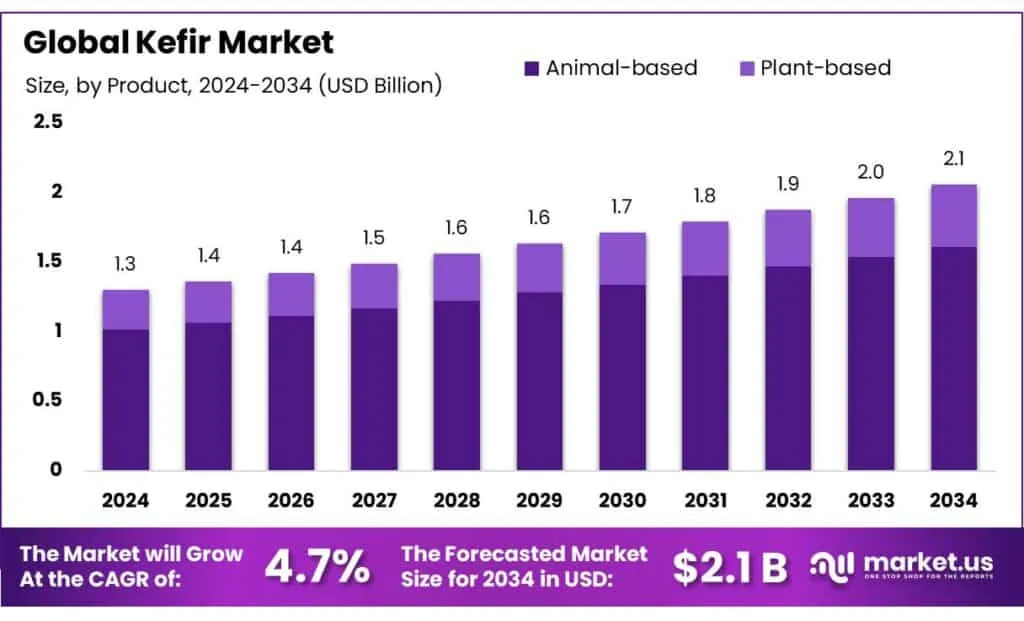
In a groundbreaking study published in *Food Frontiers*, researchers have unraveled the core microbial strains of kefir and koumiss, paving the way for synthetic kefir (sKefir) that could revolutionize the global dairy market. Led by Zhenyi Qiao from the State Key Laboratory of Dairy Biotechnology at Bright Dairy & Food Co., Ltd in Shanghai, the research delves into the complex microbial ecosystems of these traditional fermented milk drinks, offering insights that could reshape the agricultural and food industries.
Kefir and koumiss, beloved for their probiotic benefits, have long been hampered by their intricate microbial compositions, limiting their widespread commercialization. The study identified five core strains—*Lactococcus lactis*, *Lactobacillus helveticus*, *Lentilactobacillus kefiri*, *Lactobacillus kefiranofaciens*, and *Kluyveromyces marxianus*—shared by both kefir and koumiss. These strains were then used to create sKefir, a synthetic version that mimics the natural fermentation process.
“By simplifying the microbial composition, we can make kefir more accessible and consistent for global consumers,” Qiao explained. The research revealed that sKefir not only maintains the beneficial metabolites of natural kefir but also exhibits a more balanced microbial composition. This could lead to more stable and predictable fermentation processes, a boon for large-scale production.
The study also uncovered fascinating microbial interactions and gene exchanges. “We observed synergistic growth-promoting effects among the five strains, which could enhance the efficiency of fermentation,” Qiao noted. Additionally, horizontal gene transfer between *L. kefiri* and *L. kefiranofaciens* suggests a dynamic microbial ecosystem that could be harnessed for improved probiotic products.
The implications for the agriculture sector are profound. With a clearer understanding of the core microbial strains, dairy producers can optimize fermentation processes, reduce production costs, and ensure consistent product quality. This could open new markets for kefir and koumiss, particularly in regions where traditional fermentation methods are less prevalent.
Moreover, the study’s findings could spur further research into synthetic fermentation, potentially leading to the development of new probiotic products with tailored health benefits. As the global demand for functional foods continues to rise, the ability to engineer microbial communities could give dairy producers a competitive edge.
The research, published in *Food Frontiers* and led by Zhenyi Qiao from the State Key Laboratory of Dairy Biotechnology at Bright Dairy & Food Co., Ltd in Shanghai, marks a significant step forward in the field of agritech. By clarifying the core microbial strains of kefir and koumiss, the study not only enhances our understanding of these traditional drinks but also opens up new possibilities for innovation in the dairy industry. As the world grapples with the challenges of food security and sustainability, such advancements could play a crucial role in shaping the future of agriculture.