
In a groundbreaking development that could revolutionize the treatment of inflammatory bowel disease (IBD), researchers have successfully introduced the human lysozyme (HLZ) gene into maize, creating a transgenic crop that shows promise in alleviating intestinal inflammation. This innovative approach, detailed in a study published in *Food Frontiers*, not only offers a novel therapeutic avenue but also presents significant commercial opportunities for the agriculture sector.
The research, led by Yinuo Yu at the Shanghai Key Laboratory of Bio-Energy Crops, School of Life Sciences, Shanghai University, demonstrates that HLZ transgenic maize accumulates high levels of lysozyme in its kernels without compromising yield, protein content, or protein quality. This is a crucial finding, as it ensures that the crop remains viable for large-scale cultivation and commercialization.
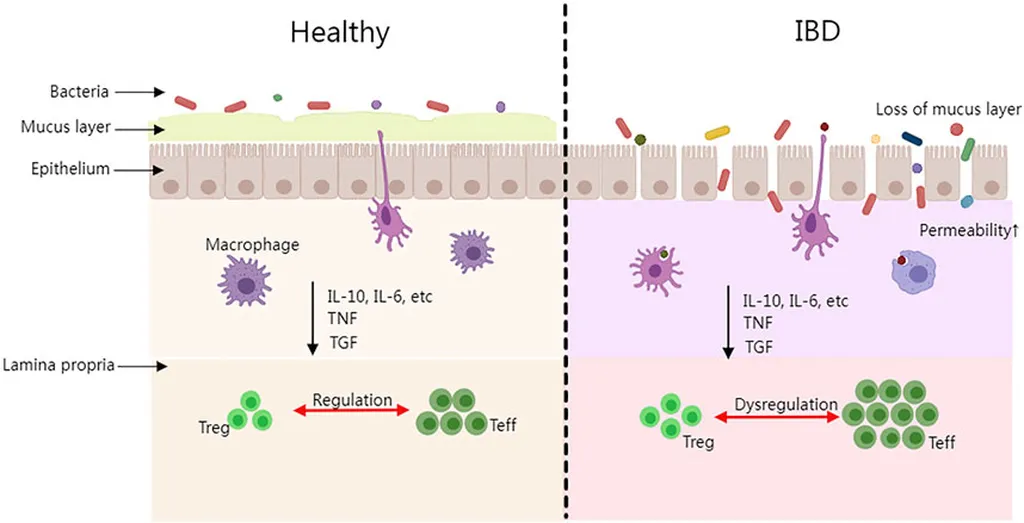
The study utilized a dextran sulfate sodium (DSS)-induced colitis mouse model to evaluate the effects of HLZ transgenic maize. The results were striking: the transgenic maize restored colon length and improved intestinal barrier function in mice. “We observed a significant reduction in intestinal epithelial cell apoptosis and a positive alteration in the intestinal microbiota,” Yu explained. This suggests that the transgenic maize could play a pivotal role in managing IBD, a condition characterized by chronic inflammation of the digestive tract.
One of the most intriguing aspects of the research is the inhibition of the cGAS/STING signaling pathway, a critical player in the immune response. The study found that HLZ transgenic maize ameliorated DSS-induced mitochondrial dysfunction, thereby inhibiting this pathway. This mechanism could open new avenues for understanding and treating autoimmune disorders beyond IBD.
The commercial implications for the agriculture sector are substantial. Maize is already the world’s most widely cultivated crop, valued for its versatility and low cultivation cost. The introduction of HLZ into maize could transform it into a functional food resource, offering health benefits to a broader population. “As a food resource, HLZ transgenic maize might benefit a wider range of people than drugs,” Yu noted, highlighting the potential for this crop to reach underserved populations and reduce the financial burden on patients.
The study also employed transcriptomic sequencing to reveal that HLZ transgenic maize reversed DSS-induced alterations in the expression of genes related to colonic inflammation, such as IFN-β and IL6. This deepens our understanding of the functional mechanisms of HLZ in improving the intestinal immune system and paves the way for further research into gene-edited crops with health-promoting properties.
As the global population continues to grow, the demand for sustainable and nutritious food sources is more pressing than ever. This research not only addresses a critical health issue but also aligns with the United Nations’ Sustainable Development Goals, particularly those related to zero hunger and good health and well-being. The integration of health benefits into staple crops like maize could be a game-changer, offering a low-cost, accessible solution to chronic diseases.
The findings of this study are a testament to the power of agritech innovation. By harnessing the potential of genetic modification, researchers are not only enhancing crop resilience and yield but also creating new opportunities for improving human health. As the agriculture sector continues to evolve, the integration of biotechnology and food science will undoubtedly play a pivotal role in shaping the future of food.
In the words of Yinuo Yu, “Our results indicate that HLZ transgenic maize provides an effective and low-cost approach for clinically ameliorating IBD symptoms.” This research is a significant step forward, offering hope for millions of people affected by IBD and setting a precedent for future developments in the field of functional foods.