
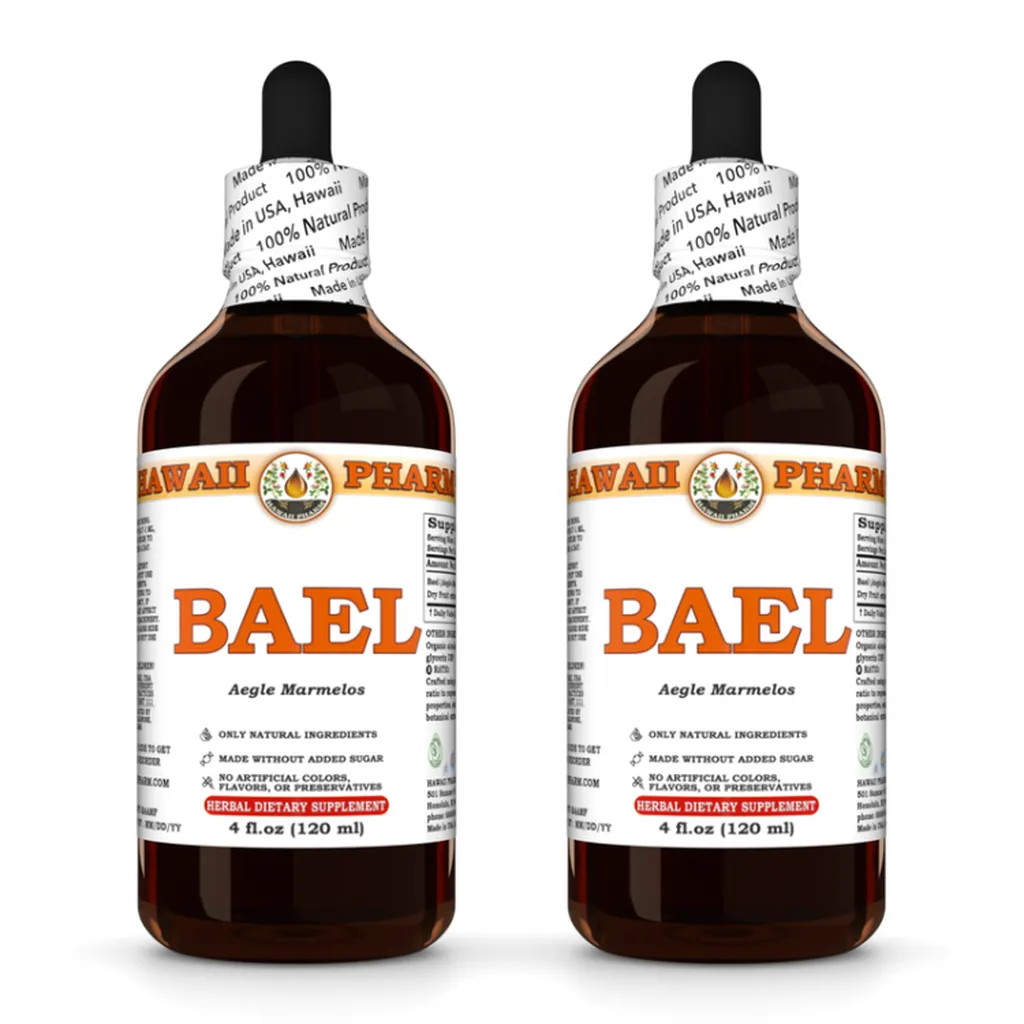
In the quest for sustainable and nutraceutical-rich crops, bael (Aegle marmelos) has long been recognized for its medicinal properties, particularly in its leaves, fruits, and seeds. However, a recent study published in *Frontiers in Nutrition* has shed light on an often-overlooked component of the bael tree: its gum. The research, led by Suchisree Jha of Indofil Industry Ltd. in Thane, Maharashtra, India, reveals that bael gum could be a promising source of bioactive compounds with significant commercial potential.
The study conducted an in-depth phytochemical and nutraceutical profiling of bael gum, evaluating various parameters such as macroscopic and physical properties, antioxidant enzyme activities, total phenol content, and antioxidant analysis. Using Ultra-high Performance Liquid Chromatography coupled with Quadrupole Time-of-Flight Mass Spectrometry (UHPLC-QTOF-MS), the researchers identified a diverse range of bioactive compounds with potential health benefits.
The findings are striking. Bael gum was found to contain high levels of total polysaccharides (40.94%), total protein (16.2%), total nitrogen (2.59%), and total amino acids (16.14%). Antioxidant assays demonstrated significant activity, with IC₅₀ values of 765.7 ± 1.5 mg/g for metal chelation, 488 ± 1 mg/g for DPPH, and 368.7 ± 0.9 mg/g for ABTS. The total phenol content was measured at 90 ± 1 μg/g FWT.
“This study opens up new avenues for the utilization of bael gum in various industries,” said lead author Suchisree Jha. “Its high nutritional and bioactive content makes it a valuable ingredient for food and beverage, pharmaceutical, cosmetic, and personal care products. Moreover, its potential in biodegradable films and edible packaging materials adds to its commercial viability.”
The implications for the agriculture sector are substantial. Bael trees are known for their hardiness and drought tolerance, making them a climate-smart crop suitable for agroforestry systems. The commercialization of bael gum could provide farmers with an additional revenue stream, incentivizing the cultivation of bael trees and promoting sustainable agricultural practices.
The study also highlights the need for further research to investigate the mechanisms of action of individual bioactive constituents and evaluate their effectiveness in functional food and therapeutic formulations. “Understanding the specific roles of these compounds will be crucial in enhancing the practical utilization of bael gum,” Jha noted.
As the demand for natural and sustainable ingredients continues to grow, the findings of this study could pave the way for innovative applications of bael gum across multiple industries. The research not only underscores the potential of bael gum as a novel nutraceutical source but also emphasizes the importance of exploring underutilized plant components for their bioactive properties.
With the lead author, Suchisree Jha, affiliated with Indofil Industry Ltd. in Thane, Maharashtra, India, this study represents a significant step forward in the field of agritech and nutraceuticals. The commercial impacts for the agriculture sector are promising, and the future developments in this area are likely to be both thought-provoking and impactful.