
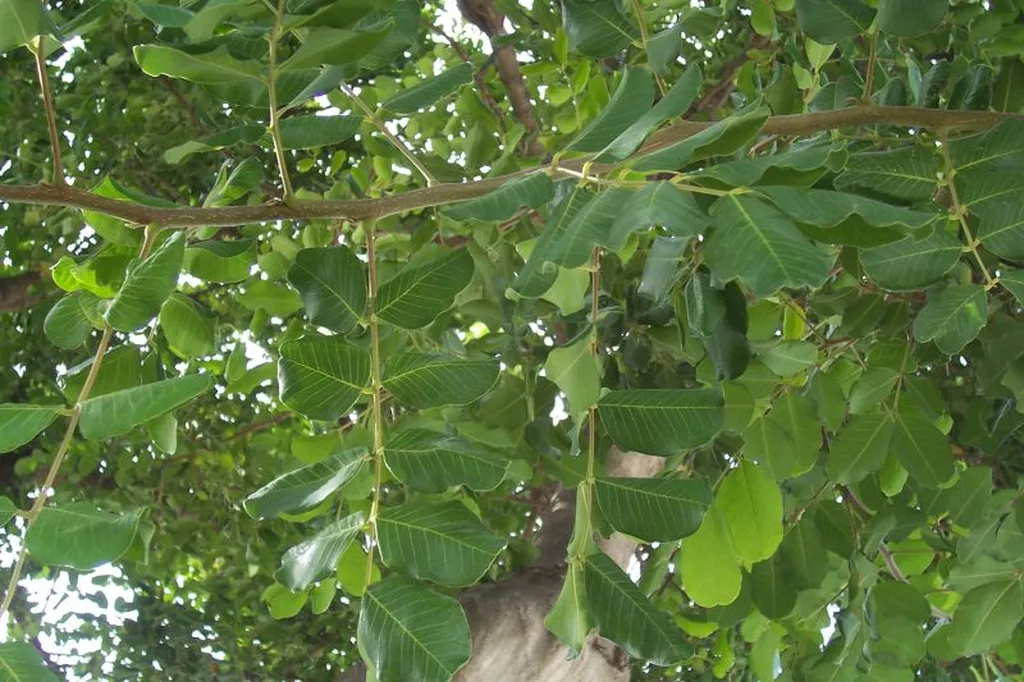
In the heart of Morocco’s Tadla region, a team of researchers led by Salah Laaraj from the Regional Center of Agricultural Research of Tadla, part of the National Institute of Agricultural Research (INRA), has uncovered promising potential in an often-overlooked resource: the wild leaves of the carob tree (Ceratonia siliqua L.). Their study, published in *Scientific Reports*, delves into the phytochemical composition and biological activities of these leaves, revealing significant antioxidant, antibacterial, and even cytotoxic properties.
The carob tree, a staple in Mediterranean and Middle Eastern landscapes, has long been valued for its pods, which are used in food and pharmaceutical industries. However, the leaves have largely remained an untapped resource. Laaraj and his team sought to change that, investigating the leaves’ potential to contribute to sustainable agriculture and natural product-based industries.
Their research identified a rich profile of phytochemicals in the leaves, including polyphenols and flavonoids, which are known for their antioxidant properties. “The antioxidant activity we observed is particularly noteworthy,” Laaraj explained. “It suggests that these leaves could be a valuable natural resource for developing new antioxidant products, which have a wide range of applications in food preservation, cosmetics, and even pharmaceuticals.”
The leaves also demonstrated significant antibacterial activity against several pathogenic bacteria, including some that are resistant to current antibiotics. This finding could be a game-changer in the fight against antibiotic resistance, a pressing global health concern. Moreover, the leaves exhibited cytotoxic effects against certain cancer cell lines, hinting at potential applications in cancer treatment.
For the agriculture sector, these findings could open up new avenues for income generation and sustainable resource use. Farmers could potentially harvest and sell carob leaves as a valuable byproduct, diversifying their revenue streams. Additionally, the use of carob leaves in natural pest management could reduce reliance on synthetic pesticides, promoting more sustainable and eco-friendly agricultural practices.
The commercial potential extends beyond agriculture. The cosmetics and pharmaceutical industries could benefit from the development of new, natural products derived from carob leaves. As consumer demand for natural and organic products continues to grow, the market for such innovations is poised for expansion.
This research not only sheds light on the untapped potential of carob leaves but also underscores the importance of exploring and utilizing wild plant resources. As Laaraj noted, “Our findings highlight the need for further research into the biological activities of wild plants. They are a treasure trove of potential resources that we are only beginning to understand.”
The study’s publication in *Scientific Reports*, a prestigious, peer-reviewed journal, lends weight to these findings and paves the way for future research. As the scientific community delves deeper into the potential of carob leaves and other wild plant resources, the agriculture sector and related industries stand to benefit greatly. The journey from field to market is just beginning, but the promise is clear: the humble carob leaf could be a key player in the future of sustainable agriculture and natural product development.