
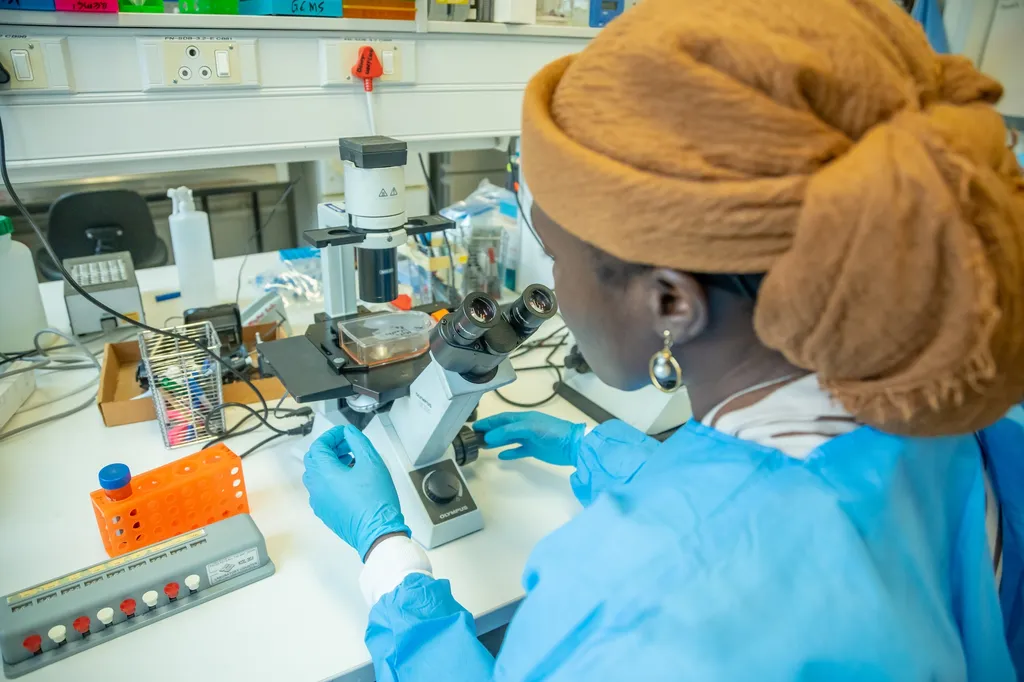
The 3rd African Microbiome Symposium, held in Cape Town, South Africa, from 20 to 22 November 2024, brought together a diverse group of researchers, students, and industry members to delve into the complexities of the microbiome within an African context. The event, as reported in *mSphere*, highlighted the critical role of translational research in bridging the gap between scientific discovery and practical application, particularly in agriculture.
The symposium featured a range of presentations and discussions that underscored the unique challenges and opportunities presented by Africa’s diverse ecosystems. One of the key takeaways was the need for increased investment in microbiome research. “Limited funding and infrastructure gaps are significant barriers to advancing microbiome research in Africa,” noted Charissa C. Marsh, lead author of the meeting review and a researcher at the African Microbiome Institute, Division of Molecular Biology and Human Genetics, Department of Biomedical Sciences, Faculty of Medicine and Health Sciences, Stellenbosch University. These barriers not only hinder scientific progress but also limit the potential agricultural benefits that microbiome research could yield.
The agricultural sector stands to gain significantly from advancements in microbiome research. Understanding and harnessing the microbiome can lead to more sustainable and productive farming practices. For instance, beneficial microbes can enhance soil health, improve crop resilience, and reduce the need for chemical inputs. This could translate into higher yields and more sustainable agricultural systems, which are crucial for food security in Africa and beyond.
Panel discussions at the symposium also highlighted the importance of capacity building and ethical considerations. “We need to foster equitable global partnerships and adhere to ethical guidelines to ensure that the benefits of microbiome research are shared widely,” Marsh emphasized. This includes training local scientists and ensuring that research is conducted in a manner that respects local communities and environments.
The symposium’s recommendations centered on increased investment, institutional training, and the fostering of equitable global partnerships. These steps are essential for overcoming the current barriers and unlocking the full potential of microbiome research in Africa. As the field continues to evolve, the insights gained from this symposium could shape future developments, driving innovation and sustainability in agriculture and beyond.
The meeting review, published in *mSphere* and led by Charissa C. Marsh, provides a comprehensive overview of the discussions and recommendations from the event. It serves as a call to action for the scientific community, policymakers, and industry stakeholders to collaborate and invest in the future of microbiome research in Africa.