
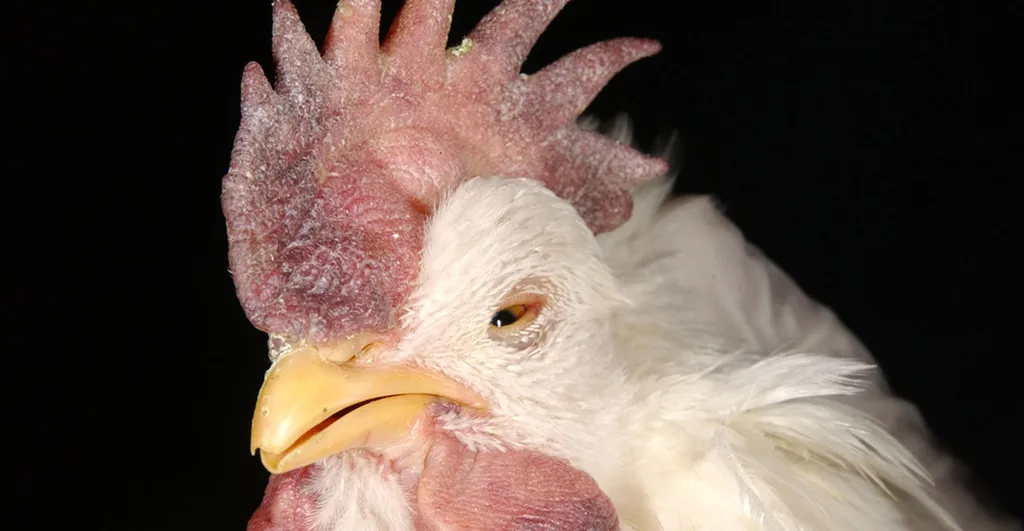
In a surprising turn of events, researchers have detected the reemergence of a historically virulent strain of Newcastle disease virus (NDV), a pathogen that was presumed extinct for over two decades. The findings, published in the *Journal of Virology*, reveal that genotype IV NDV, responsible for the first global panzootic of Newcastle disease from the 1940s to the 1960s, has resurfaced in both wild and domestic birds across China. This discovery raises significant concerns for the agriculture sector and underscores the need for updated vaccination strategies.
The study, led by Weiwen Yan from the State Key Laboratory for Diagnosis and Treatment of Severe Zoonotic Infectious Diseases at Jilin University, analyzed 6,731 samples collected from wild birds and domestic poultry between 2021 and 2023. The researchers identified four virulent genotype IV NDV isolates, marking the first genetically confirmed isolation of this ancestral genotype in over two decades. Remarkably, these isolates exhibit high genetic similarity to ancestral strains, with minimal divergence despite a temporal span of 50–90 years.
“These findings are both surprising and concerning,” said Yan. “The genetic stability of these viruses suggests a unique evolutionary history, and their reemergence poses a significant threat to poultry health and production.”
The representative isolate, KS02, demonstrated severe lethality and higher transmissibility in specific-pathogen-free chicks compared to a genotype VII reference virus. Notably, the LaSota vaccine, commonly used to protect against NDV, provided only limited protection at the conventional hemagglutination inhibition (HI) threshold. Complete protection was achieved only when HI titers were at least twofold higher, highlighting the need for intensified immunization schedules.
The reemergence of genotype IV NDV has profound implications for the agriculture sector. Newcastle disease causes severe morbidity, high mortality, and substantial economic losses in poultry. The limited efficacy of the LaSota vaccine against this reemerging strain underscores the urgent need for updated vaccination strategies and sustained global surveillance.
“This study highlights the critical importance of monitoring the spread and evolution of genotype IV NDV in both domestic poultry and migratory birds,” Yan emphasized. “The reemergence of this historically virulent strain serves as a stark reminder of the dynamic nature of viral pathogens and the need for continuous vigilance.”
The findings also raise questions about the origin and evolutionary history of these viruses. The unusual genetic stability of the genotype IV isolates suggests that they may have persisted in a reservoir, possibly within wild bird populations, before reemerging in domestic poultry.
As the agriculture sector grapples with the implications of this discovery, researchers are calling for increased surveillance and the development of more effective vaccination strategies. The reemergence of genotype IV NDV serves as a wake-up call, emphasizing the need for proactive measures to protect poultry health and ensure the sustainability of the agriculture industry.
In the face of this emerging threat, the research community and agricultural stakeholders must collaborate to develop innovative solutions that can mitigate the impact of this virulent strain. The findings published in the *Journal of Virology* provide a crucial foundation for these efforts, offering insights into the genetic characteristics, pathogenicity, and vaccine efficacy of this reemerging pathogen.