
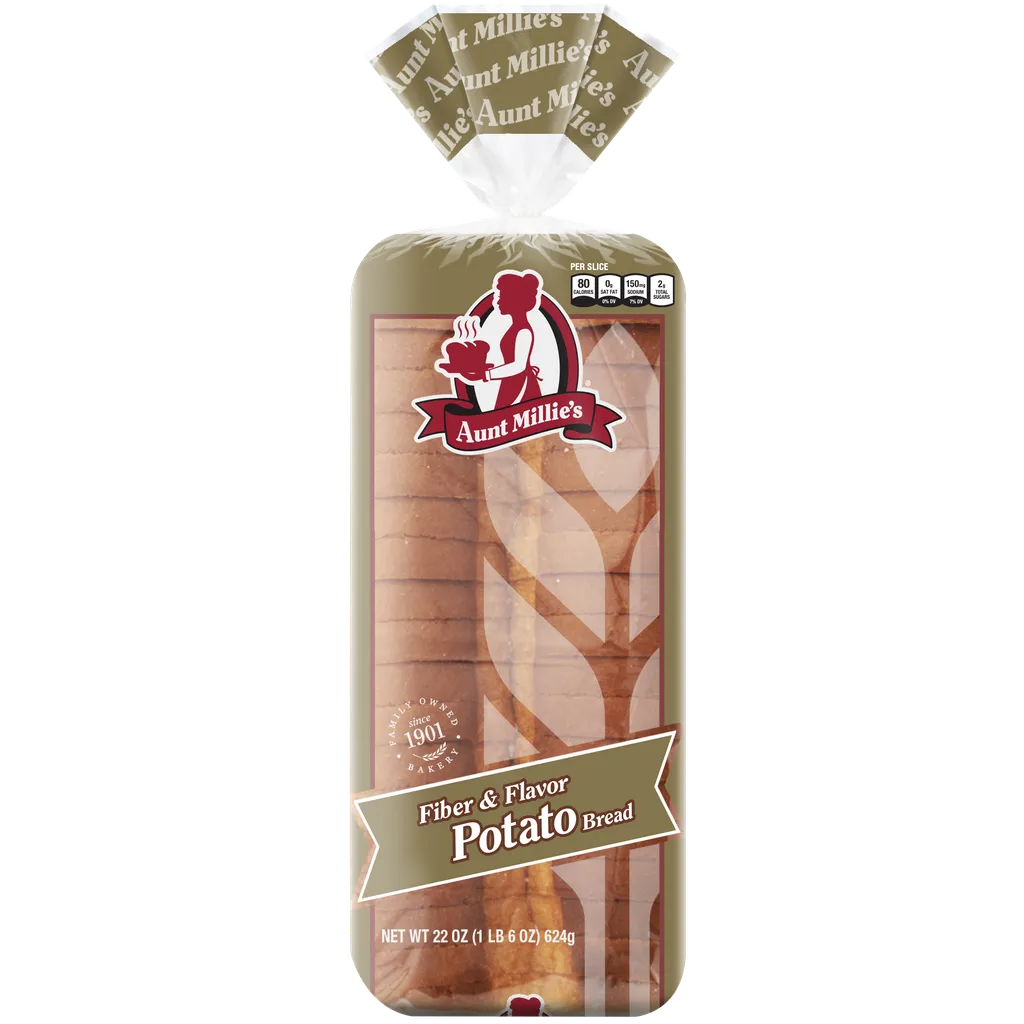
In the ever-evolving world of food science, researchers are continually seeking innovative ways to enhance the nutritional value and quality of our staple foods. A recent study published in the Czech Journal of Food Sciences has shed light on the potential of potato fibre (PF) to improve the rheological properties of dough and the quality of bread, offering promising avenues for the agriculture and food processing sectors.
The study, led by Omar Saleh from the Biochemistry Department at Zagazig University in Egypt, investigated the effects of varying concentrations of potato fibre on wheat flour dough and the resulting pan bread. The findings reveal that incorporating PF into wheat flour significantly alters the dough’s properties, with notable increases in water absorption. “The addition of potato fibre substantially increased water absorption, which is a crucial factor in dough handling and bread quality,” Saleh explained.
The research demonstrated that as the concentration of PF increased from 1% to 3%, water absorption rose from 57.2% to 77.6%. This increase in water absorption can be attributed to the high water-binding capacity of potato fibre, which enhances the dough’s hydration. Such a property is beneficial for improving the texture and shelf life of bread.
Moreover, the study found that the addition of PF led to significant increases in protein, crude fibre, and ash levels, while moisture and carbohydrate contents were markedly reduced. These changes contribute to the nutritional enhancement of the bread, making it a healthier option for consumers.
One of the key findings was the impact of PF on the specific volume of bread. The specific volume decreased as the concentration of PF increased, indicating that higher levels of PF may result in denser bread. However, the study also revealed that incorporating PF at concentrations of 1% and 2% did not compromise the overall acceptability of the bread compared to the control. This suggests that there is an optimal range for PF incorporation that balances nutritional benefits and sensory qualities.
Sensory evaluations further supported these findings, showing that bread enriched with 1% and 2% PF was well-received by consumers. The study also noted that all replacement samples exhibited no significant alterations in lightness (L*) values but showed a substantial increase in yellowness (b*), which could be an indicator of the bread’s freshness and quality.
The commercial implications of this research are significant for the agriculture sector. Potato fibre, a byproduct of potato processing, is often underutilized. By incorporating it into wheat flour, food manufacturers can create value-added products that appeal to health-conscious consumers. This not only enhances the nutritional profile of bread but also provides a sustainable use for agricultural byproducts, reducing waste and promoting a circular economy.
The study’s findings open up new possibilities for the food industry to innovate and meet the growing demand for healthier, more sustainable food products. As Omar Saleh noted, “This research highlights the potential of potato fibre as a functional ingredient in bread making, offering both nutritional and economic benefits.”
In the broader context, this study underscores the importance of interdisciplinary research in food science and agriculture. By exploring the interactions between different ingredients and their impact on food quality, researchers can pave the way for innovative solutions that address global food security and sustainability challenges.
As the food industry continues to evolve, the integration of potato fibre into wheat flour represents a promising step towards creating healthier, more sustainable food products. The research published in the Czech Journal of Food Sciences not only advances our understanding of dough rheology and bread quality but also offers practical insights for food manufacturers and agricultural stakeholders. By leveraging the findings of this study, the industry can develop new products that meet consumer demands for nutrition and sustainability, ultimately contributing to a more resilient and innovative food system.