
In the face of escalating droughts, farmers and agronomists are turning to innovative technologies to monitor soil moisture and mitigate water stress in crops. A recent study published in *Engineering Proceedings* explores how drones equipped with advanced sensors can provide high-resolution soil moisture maps, offering a promising tool for precision agriculture. The research, led by Ricardo Díaz-Delgado of the Remote Sensing & GIS Laboratory at the Estación Biológica de Doñana (LAST-EBD) CSIC in Spain, highlights the potential of drones to bridge the gap between point measurements and large-scale monitoring.
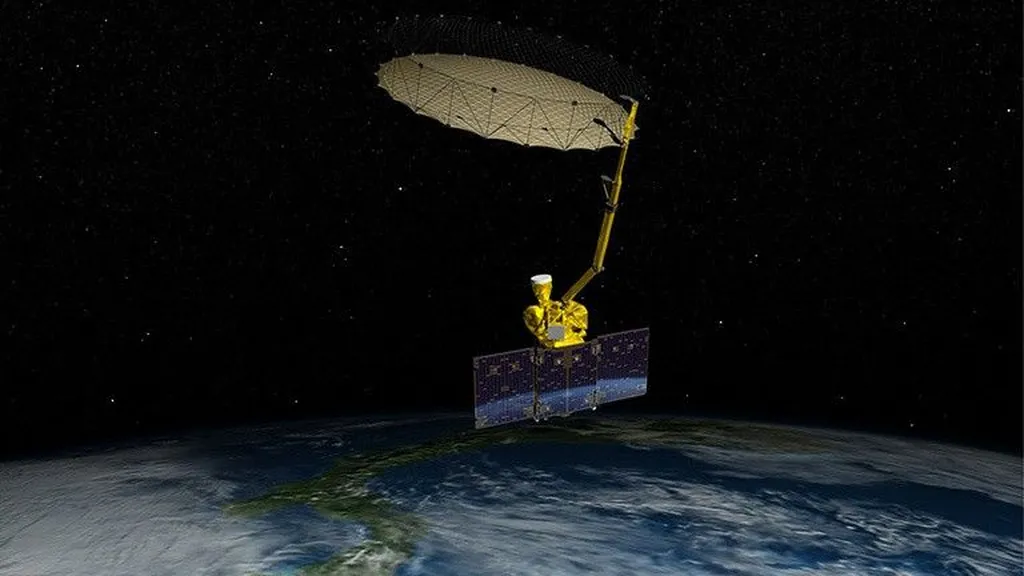
Droughts are becoming more frequent and severe, posing significant threats to agroecosystems. While satellite remote sensing has long been used to monitor soil moisture, its coarse spatial resolution limits its effectiveness in capturing the intricate spatial variability of soil water content. This is where drones come into play. “Drones offer a unique opportunity to upscale point measurements to catchment levels with high spatial resolution,” explains Díaz-Delgado. “This is crucial for addressing water stress risks in the context of global warming.”
The study evaluated the potential of multispectral images, thermal images, and LiDAR data captured by drones to map soil moisture variability. The researchers collected data from both a natural marshland and a grassland-covered agricultural field, using in situ measurements of soil water content and plant water stress to validate their findings. The results were promising. In the natural marshland, topography, land surface temperature, and red band reflectance were found to be significant predictors of soil water content. In contrast, the grasslands were best predicted by the transformed normalized difference vegetation index (TNDVI).
The implications for the agriculture sector are substantial. High-resolution soil moisture maps can help farmers make informed decisions about irrigation, optimizing water use and improving crop yields. “By understanding the spatial variability of soil moisture, farmers can target their irrigation efforts more effectively, reducing water waste and enhancing water use efficiency,” says Díaz-Delgado. This proactive approach to drought management could be a game-changer for farmers, particularly in regions prone to water scarcity.
The study also opens up new avenues for future research. As drone technology continues to evolve, the integration of advanced sensors and machine learning algorithms could further enhance the accuracy and reliability of soil moisture mapping. This could pave the way for more sophisticated precision agriculture practices, ultimately contributing to sustainable and resilient agroecosystems.
In the quest for sustainable agriculture, the role of technology cannot be overstated. The research led by Díaz-Delgado and published in *Engineering Proceedings* underscores the transformative potential of drones in soil moisture monitoring. As the agriculture sector grapples with the challenges posed by climate change, innovative solutions like these offer a beacon of hope for a more water-efficient and resilient future.