
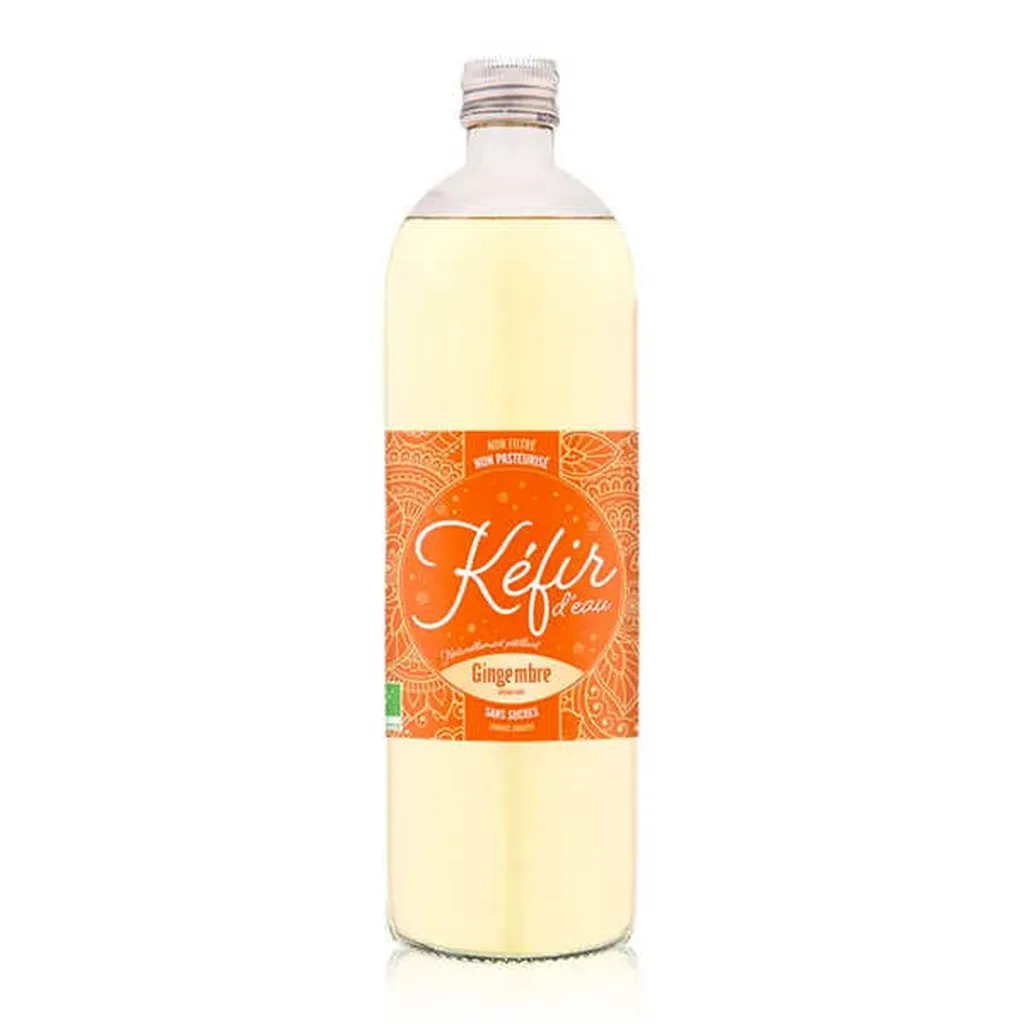
In the ever-evolving world of functional beverages, a new study published in *Agritech* is making waves by exploring the potential of fig leaf tea water kefir as a probiotic alternative for those with lactose intolerance and milk allergies. The research, led by Muhammad Zakwan Saputra SY from the Department of Food Science and Biotechnology at Universitas Brawijaya in Malang, Indonesia, delves into the chemical and organoleptic properties of this fermented drink, offering promising insights for the agriculture and food industries.
Water kefir, a non-dairy fermented beverage, is typically made by adding water kefir grains to a sugar solution. However, this study introduces fig leaf tea into the mix, examining how varying concentrations of sucrose and starter cultures influence the final product. The findings reveal that the addition of sucrose and different starters significantly impacts the metabolic processes of microorganisms in water kefir grains, ultimately affecting the drink’s chemical and organoleptic properties.
The study found that the optimal chemical properties were achieved with an 8% starter concentration and 9% sucrose, resulting in an antioxidant activity of 51.27%, total acid of 0.70%, and a medium pH of 3.53. Meanwhile, the best organoleptic parameters were obtained with an 8% starter and 12% sucrose, yielding a taste value of 5.56 (liked), an aroma value of 4.80 (slightly liked), and a color value of 4.97 (slightly liked). The overall liking level was 5.45 (liked).
“These results indicate that fig leaf tea water kefir has the potential to be a viable probiotic drink for those who are lactose intolerant or allergic to milk-based drinks,” says lead author Muhammad Zakwan Saputra SY. “The strong relationship between antioxidant activity, total acid, and medium pH suggests that we can fine-tune the fermentation process to optimize both health benefits and taste.”
The commercial implications for the agriculture sector are substantial. The study highlights the potential for fig leaf tea to be a valuable crop for farmers, as it can be used to produce a high-demand, health-focused beverage. Additionally, the research opens doors for further exploration into other plant-based teas and their potential in the fermented beverages market.
As the demand for functional and probiotic drinks continues to grow, this study provides a roadmap for developing new products that cater to health-conscious consumers. The findings could inspire agricultural innovations, such as the cultivation of fig trees for their leaves, and stimulate research into other plant-based ingredients that can enhance the nutritional profile of fermented beverages.
In an industry where taste and health benefits are paramount, this research offers a glimpse into the future of probiotic drinks. By understanding the intricate relationships between sucrose, starter cultures, and the resulting chemical and organoleptic properties, food scientists and beverage producers can create products that not only appeal to consumers but also support their well-being.
As the world continues to embrace plant-based and functional foods, the insights from this study could shape the next generation of probiotic beverages, offering a delicious and healthful alternative for those seeking to avoid dairy. The research, published in *Agritech* and led by Muhammad Zakwan Saputra SY from the Department of Food Science and Biotechnology at Universitas Brawijaya, marks a significant step forward in the quest for innovative, health-focused beverages.