
In the ever-evolving landscape of agriculture and food science, a recent study published in *Food Production, Processing and Nutrition* has shed light on the nutritional diversity of oat genotypes, offering promising avenues for crop improvement and food industry utilization. The research, led by Pankaj Pankaj from the Department of Genetics and Plant Breeding at Chaudhary Charan Singh Haryana Agricultural University, delves into the biochemical parameters of 56 diverse oat genotypes, providing insights that could revolutionize the way we approach oat cultivation and processing.
The study revealed a wide range of variability in key nutritional parameters, including β-glucan content, crude protein, total soluble sugar, and essential minerals like iron, zinc, and magnesium. This diversity presents a goldmine of opportunities for breeders and food technologists alike. “The variability we observed in these genotypes is quite remarkable,” Pankaj noted. “It opens up new possibilities for developing oat varieties that are not only high-yielding but also nutritionally superior.”
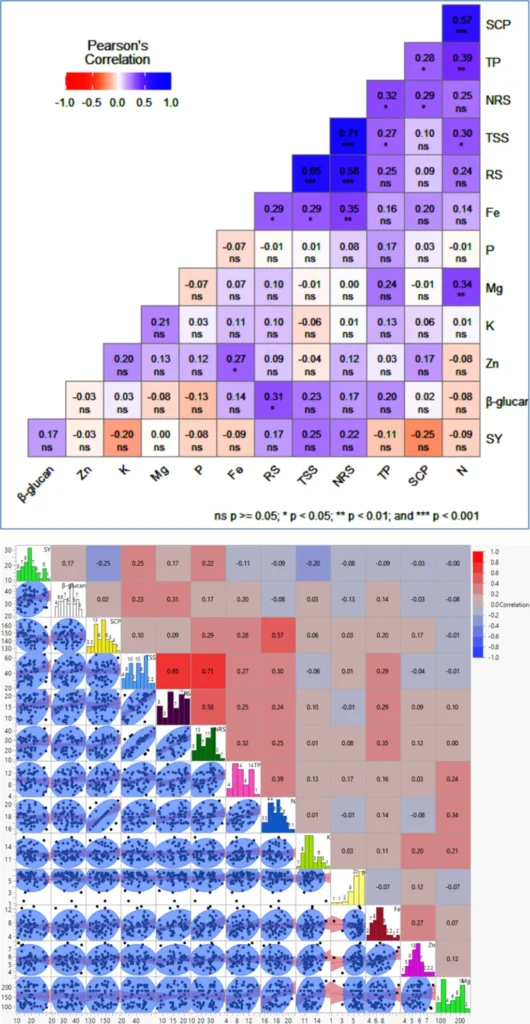
One of the most significant findings was the positive correlation between nitrogen content and several other nutritional parameters, including total phenol, crude protein, and total soluble sugar. This suggests that enhancing nitrogen management in oat cultivation could lead to improvements in overall grain quality. Moreover, the identification of specific genotypes like HFO 419 and OS 346 as top performers for seed crude protein and soluble sugars highlights the potential for targeted breeding programs.
The commercial implications of this research are substantial. For the agriculture sector, the identification of high-performing genotypes can drive the development of new oat varieties tailored to specific market needs, whether for human consumption or animal feed. “The food industry is increasingly looking for ingredients that offer both nutritional benefits and functional properties,” Pankaj explained. “Our findings provide a roadmap for selecting and breeding oat varieties that meet these demands.”
The study also underscores the importance of micronutrients in oat grains, with genotypes like HFO602 showing high levels of magnesium and potassium, and HFO 862 and HFO 867 excelling in iron and zinc content. These findings could pave the way for fortified oat products, addressing global nutritional deficiencies and tapping into the growing market for health-conscious consumers.
As the world grapples with the challenges of food security and nutritional health, this research offers a beacon of hope. By leveraging the genetic diversity within oat genotypes, the agriculture and food industries can work hand in hand to develop crops that are not only resilient and high-yielding but also packed with essential nutrients. The study, published in *Food Production, Processing and Nutrition* and led by Pankaj Pankaj, serves as a testament to the power of scientific inquiry in driving agricultural innovation and shaping the future of food.