
In the ever-evolving landscape of agricultural technology, a recent systematic review published in *Notulae Scientia Biologicae* is making waves by shedding light on innovative extraction techniques for plant-derived toxins. Led by Dipak Kumar Mahida from the Department of Biochemistry and Forensic Science at Gujarat University, the research delves into both conventional and advanced methods, offering a comprehensive guide for maximizing the recovery and integrity of plant toxins while minimizing environmental impact.
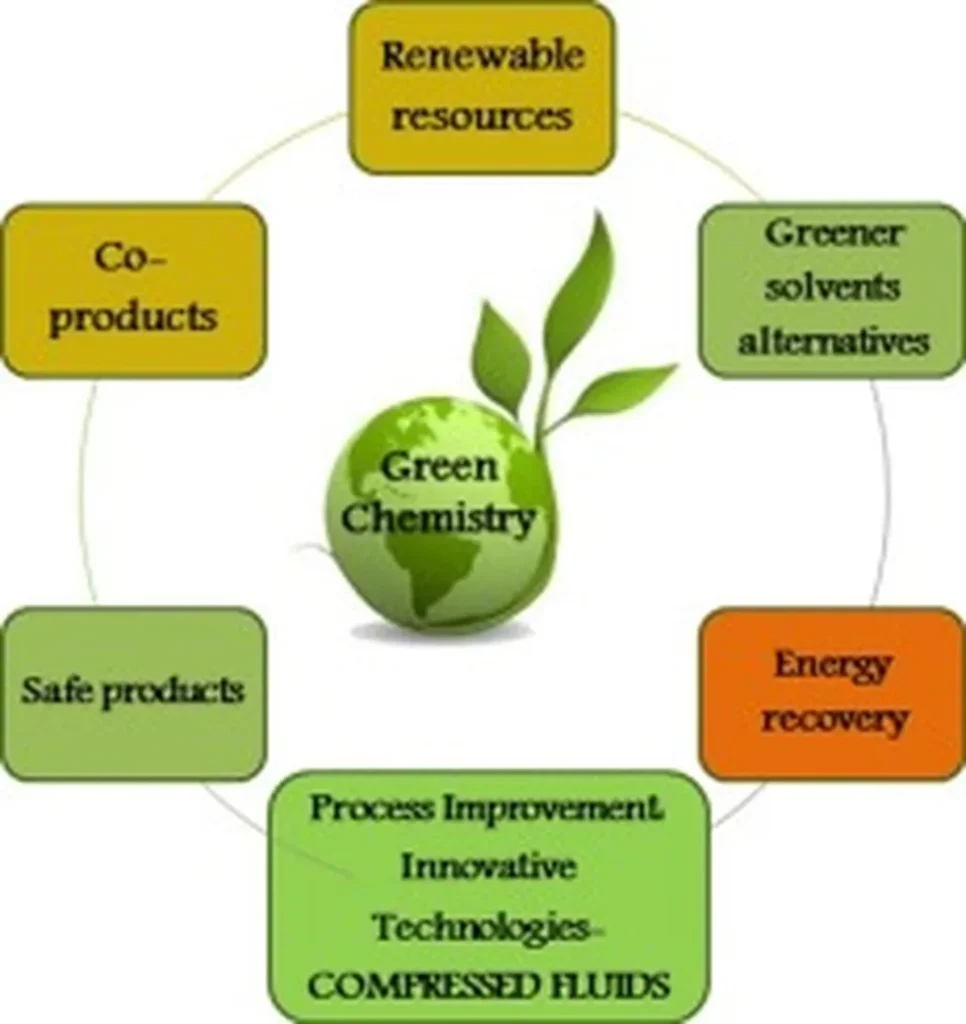
Plant-derived toxins, known for their chemical diversity, present a dual challenge and opportunity: they pose public health risks but also hold significant potential for therapeutic discovery. Traditional extraction methods like maceration, percolation, decoction, and Soxhlet extraction have long been the standard. However, these techniques often fall short in terms of efficiency, environmental sustainability, and scalability. Enter advanced, green extraction techniques—supercritical fluid extraction, ultrasound-assisted extraction, microwave-assisted extraction, pressurized liquid extraction, and the use of ionic liquids and deep eutectic solvent systems. These methods promise not only higher yields and selectivity but also reduced solvent and energy use, making them more environmentally friendly.
“The key to selecting the right extraction technique lies in understanding the chemical nature of the target compounds and the matrix from which they are being extracted,” explains Mahida. “Factors such as solvent polarity, pH control, and mass-transfer constraints play crucial roles in determining the efficacy of the extraction process.”
The review highlights the importance of temperature management, co-solvent tuning, and post-extraction clean-up to preserve the structural integrity of the extracted compounds. It also emphasizes the need for analytical integration with chromatographic and mass-spectrometric platforms to ensure accuracy and reliability. Quality assurance, standardization, and fitness-for-purpose considerations are mapped out for various contexts, including toxicological, pharmacognostic, agricultural, and forensic applications.
For the agriculture sector, the implications are profound. Efficient and environmentally sustainable extraction techniques can lead to the development of novel pesticides, herbicides, and therapeutic agents derived from plant toxins. This not only enhances crop protection and productivity but also opens up new avenues for commercialization and economic growth. As Dipak Kumar Mahida notes, “The future of plant toxin extraction lies in continuous-flow and miniaturized formats, solvent substitution with deep eutectic or subcritical-water media, and on-line coupling to real-time analytics. These advancements will enable more precise and efficient extraction processes, ultimately benefiting the agricultural industry.”
The research also points to the potential of artificial intelligence in optimizing extraction processes. Data-driven approaches can help fine-tune parameters such as temperature, pressure, and solvent composition, leading to higher yields and purer extracts. This integration of technology and agriculture heralds a new era of innovation, where traditional practices are enhanced by cutting-edge scientific methods.
In conclusion, the systematic review by Dipak Kumar Mahida and his team provides a valuable resource for researchers and industry professionals alike. By offering a comparative, practice-oriented guide to selecting extraction strategies, the study paves the way for more sustainable and efficient practices in the agricultural sector. As the field continues to evolve, the insights gained from this research will undoubtedly shape future developments, driving progress and innovation in plant toxin extraction and beyond.