
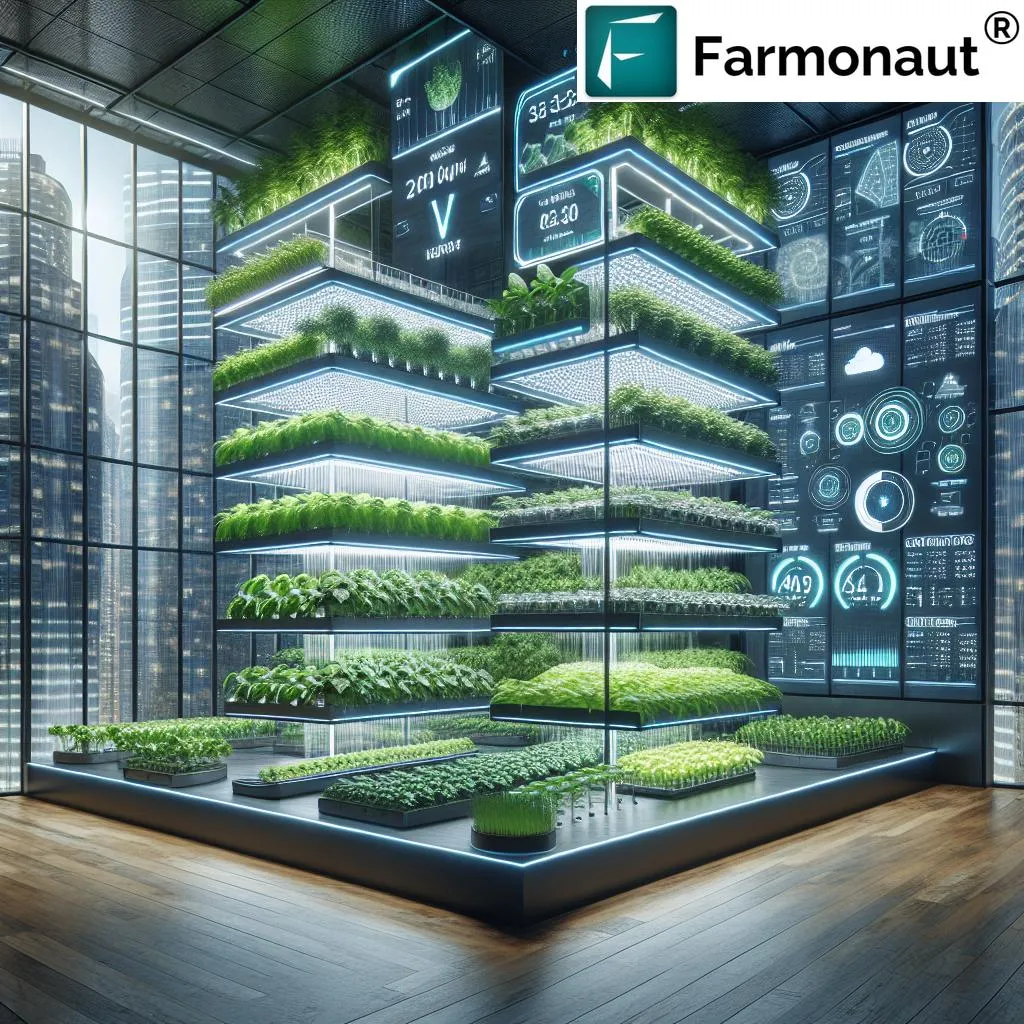
In the heart of urban landscapes, a quiet revolution is taking root. Researchers have developed an AI-driven lighting system that promises to transform hydroponic vertical indoor farming (VIF), boosting productivity and sustainability. The study, published in *Chemical Engineering Transactions*, focuses on Lactuca sativa ‘Olmetie’, a variety of lettuce, and demonstrates how artificial intelligence can optimize plant growth in controlled environments.
The research, led by Mae M. Garcillanosa, integrates real-time image analysis with adaptive lighting. By employing YOLOv11 and EfficientNetV2S models, the system monitors leaf coloration to assess plant health and adjusts light intensity accordingly. This dynamic approach contrasts with conventional 16-hour constant lighting setups, offering a more responsive and efficient method of cultivation.
The trials revealed significant improvements in growth uniformity and resource efficiency. Under cooler conditions, the AI-assisted system achieved a fresh weight of 119.62 grams, a root length of 18.313 centimeters, and an average of 22 leaves per plant. These results highlight the potential of AI-integrated lighting to enhance productivity and advance sustainable urban farming.
“Our findings suggest that AI-driven adaptive lighting can significantly improve the efficiency of hydroponic systems,” Garcillanosa noted. “This technology not only optimizes resource use but also ensures consistent and high-quality yields, which is crucial for commercial agriculture.”
The commercial implications of this research are substantial. As urban populations grow and arable land becomes scarcer, vertical farming offers a viable solution to meet increasing food demands. The integration of AI into these systems can further enhance their efficiency, making them more economically viable and environmentally friendly.
“This study opens up new possibilities for the agriculture sector,” said a spokesperson for the research team. “By leveraging AI, we can create more sustainable and productive farming practices that can be scaled up to meet global food security challenges.”
The research not only underscores the importance of AI in modern agriculture but also paves the way for future developments in the field. As technology continues to evolve, the integration of AI-driven systems into hydroponic and vertical farming could become a standard practice, revolutionizing the way we grow food.
Published in *Chemical Engineering Transactions*, the study led by Mae M. Garcillanosa represents a significant step forward in the quest for sustainable and efficient agricultural practices. As the world grapples with the challenges of climate change and food security, innovations like these offer a beacon of hope for a more sustainable future.