
In the heart of China’s Guangxi region, a team of researchers led by Yayuan Tang at the Institute of Agro-products Processing Science and Technology has been delving into the world of Polygonatum kingianum, a plant known for its medicinal properties. Their focus? Polysaccharides, complex carbohydrates that have garnered attention for their potential health benefits. The team’s recent study, published in the journal ‘Shipin yu jixie’, sheds light on how different extraction methods can influence the yield and functional characteristics of these valuable compounds, offering promising insights for the agriculture and food industries.
Polygonatum kingianum, a plant native to China, has been used in traditional Chinese medicine for centuries. Its polysaccharides, known as PKPs, have been shown to possess antioxidant, anti-diabetic, and skin-whitening properties. However, the extraction process can significantly impact the quality and quantity of these compounds. “Understanding the effects of different extraction methods is crucial for optimizing the production of PKPs,” Tang explains.
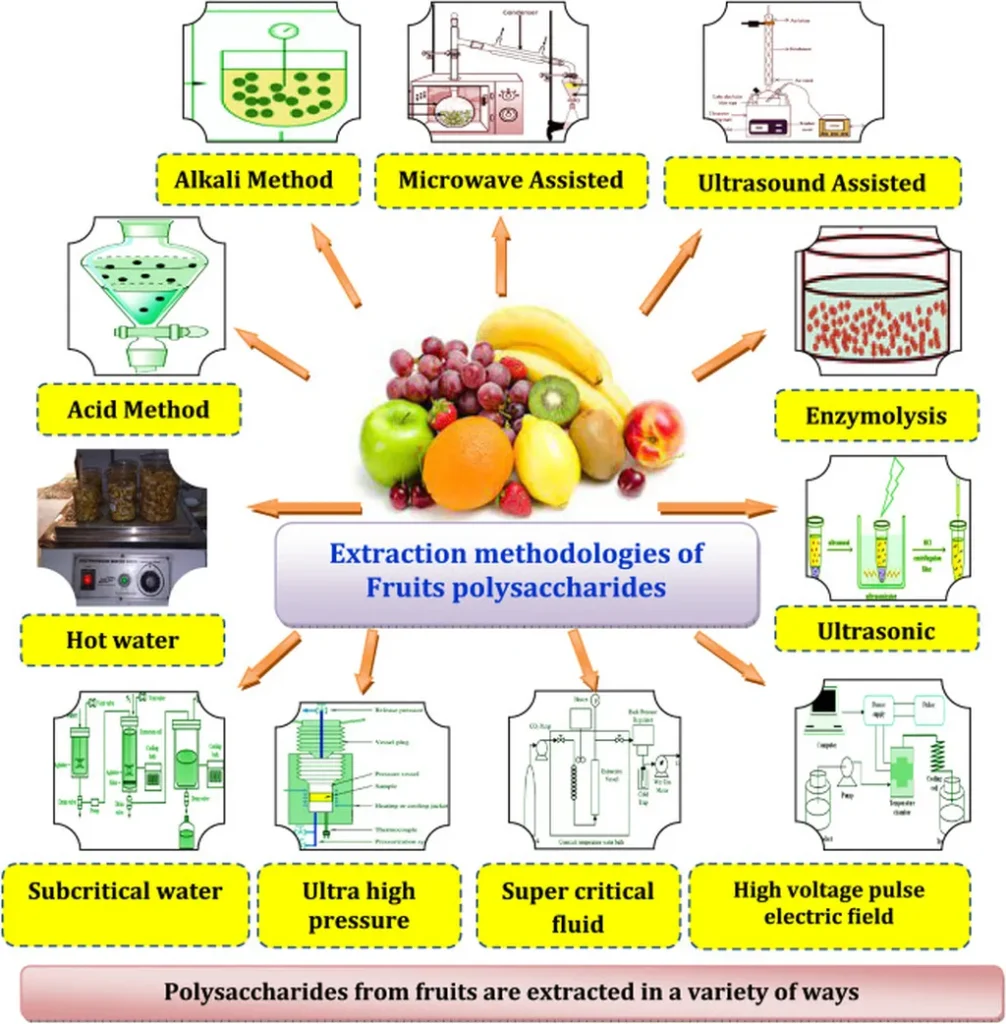
The team investigated six extraction methods: traditional hot water, alkaline, acidic, enzymatic, ultrasonic, and a combination of hot water and alkaline. They found that both the extraction method and the variety of Polygonatum kingianum—white flower or purple-red flower—significantly influenced the yield and chemical composition of PKPs.
Traditional hot water extraction emerged as a standout method, yielding 23.27% of PKPs from the white flower variety and 9.58% from the purple-red flower variety. These extracts also exhibited high total sugar, sulfate, and uronic acid content. Enzymatic extraction was another effective method, producing PKPs with notable biological activities.
The study also revealed that PKPs from the purple-red flower variety demonstrated stronger antioxidant, anti-diabetic, and skin-whitening activities. This finding could open up new avenues for the agricultural sector, particularly for farmers cultivating this variety.
The commercial implications of this research are substantial. By optimizing the extraction process, farmers and processors can enhance the yield and quality of PKPs, making them more viable for commercial applications. This could lead to the development of new functional foods, dietary supplements, and cosmetic products, thereby diversifying income streams for farmers and boosting the agricultural economy.
Moreover, the study underscores the importance of selecting the right variety and extraction method to maximize the potential of PKPs. As Tang notes, “This research provides a scientific basis for the industrial production of PKPs, helping to unlock their full potential.”
The findings of this study could shape future developments in the field of agritech and food science. By refining extraction techniques and understanding the nuances of different plant varieties, researchers and industry professionals can work together to harness the power of PKPs and other bioactive compounds. This could lead to innovative products that not only benefit consumers but also support sustainable agricultural practices.
In the quest for healthier and more functional food products, the work of Tang and his team offers a glimpse into the future of agriculture and food technology. Their research serves as a reminder that sometimes, the key to unlocking nature’s secrets lies in the details—whether it’s the choice of extraction method or the variety of plant used. As the agricultural sector continues to evolve, such insights will be invaluable in driving innovation and growth.