
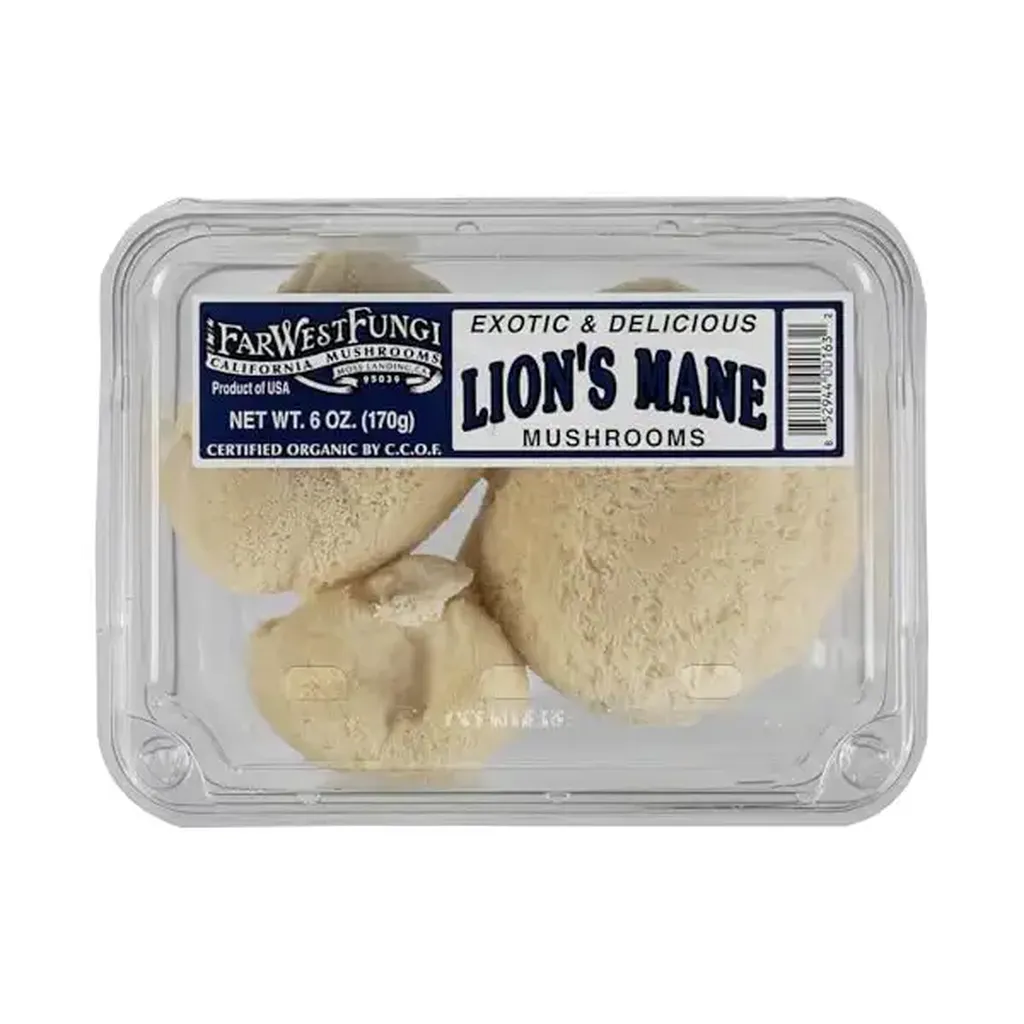
In the realm of functional foods, a humble fungus is stepping into the spotlight, offering a treasure trove of active ingredients that could reshape the agricultural and food industries. Hericium erinaceus, commonly known as lion’s mane mushroom, has been a staple in traditional Chinese medicine and cuisine for centuries. Now, modern research is unlocking its potential as a powerhouse of bioactive compounds, according to a comprehensive review published in the journal ‘Shipin yu jixie’.
The study, led by WANG Kaixuan from the College of Food Science at South China Agricultural University, delves into the chemical composition of Hericium erinaceus, highlighting its rich array of terpenes, ketones, ergothioneine, and polysaccharides. These compounds are not just scientifically intriguing; they hold promise for a range of health benefits, from neuroprotective properties to immune system support.
“Hericium erinaceus is more than just a delicacy; it’s a functional food with immense potential,” WANG Kaixuan explains. “Its active ingredients could pave the way for innovative products in the food and pharmaceutical industries.”
The review underscores the diverse functions of these active ingredients. Terpenes, for instance, are known for their anti-inflammatory and antioxidant properties, while polysaccharides have been linked to immune modulation. Ergothioneine, an amino acid unique to certain fungi, has garnered attention for its potential role in protecting cells from oxidative stress.
For the agriculture sector, this research opens up new avenues for crop diversification and value addition. Farmers could explore cultivating Hericium erinaceus as a high-value crop, tapping into the growing market for functional foods and dietary supplements. Moreover, the extraction and purification of these active ingredients could spur the development of novel food additives and nutraceuticals, creating a ripple effect across the agricultural supply chain.
The study also sheds light on the future prospects of Hericium erinaceus research. As WANG Kaixuan notes, “Further studies are needed to elucidate the mechanisms of action and optimize the extraction processes. This will enable us to harness the full potential of these bioactive compounds.”
In an era where consumers are increasingly prioritizing health and wellness, the findings of this review could catalyze a shift in agricultural practices and food production. By integrating Hericium erinaceus into mainstream agriculture, the industry could meet the burgeoning demand for functional foods, while also promoting sustainable and diversified farming practices.
As the research progresses, it will be crucial to translate these scientific findings into practical applications. Collaborations between researchers, farmers, and industry stakeholders will be key to unlocking the commercial potential of Hericium erinaceus. With its rich tapestry of active ingredients, this unassuming fungus could well be the next big thing in agriculture and food technology.