
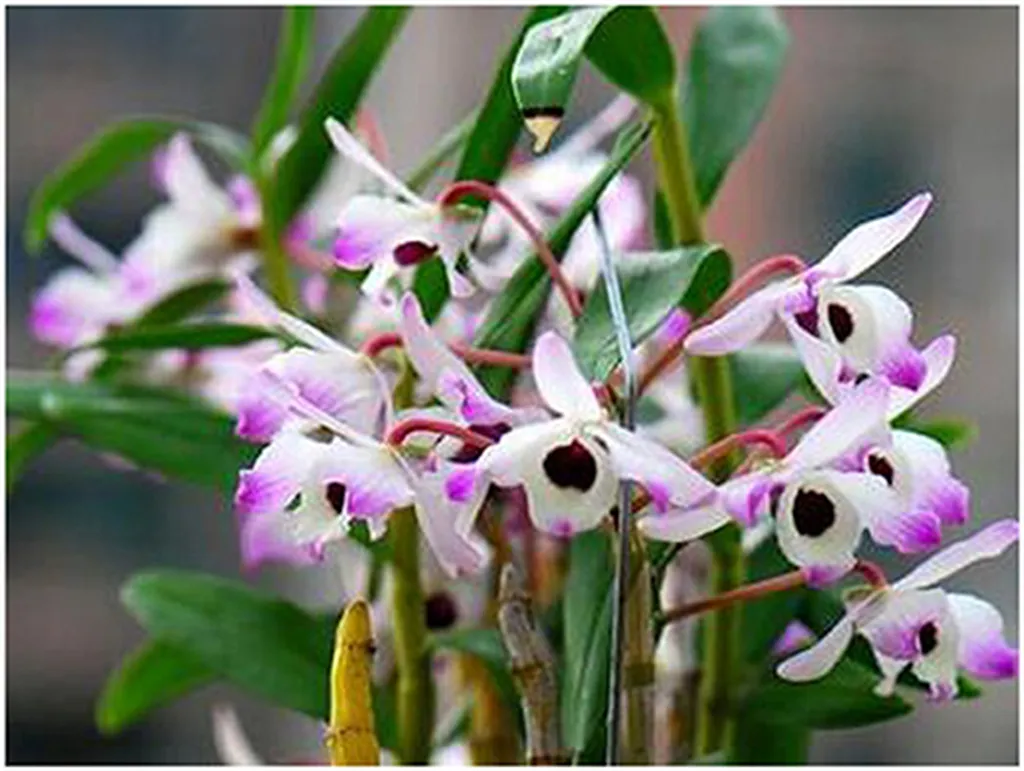
In the realm of agricultural biotechnology, a recent study published in *Shipin yu jixie* has shed light on the antioxidant properties of flavonoids found in *Dendrobium officinale*, a medicinal orchid widely used in traditional Chinese medicine. The research, led by WANG Yixue from the School of Food Science and Technology at Hunan Agricultural University, explores the molecular mechanisms behind the antioxidant activity of apigenin and its glycoside compounds, offering promising insights for the agriculture and health sectors.
The study focused on three compounds: apigenin, vitexin, and New Zealand vitexin II. Using the DPPH free radical scavenging assay, the researchers found that vitexin exhibited significantly stronger antioxidant activity than the other two compounds, with an IC50 value of 43.48 mmol/L. This finding is particularly noteworthy as it highlights the potential of vitexin as a powerful antioxidant agent.
“Our results indicate that vitexin could be a valuable compound for developing new antioxidant therapies,” said WANG Yixue, the lead author of the study. “The strong antioxidant activity observed in vitexin suggests that it could be used to combat oxidative stress-related diseases.”
The researchers also examined the effects of these compounds on the expression of antioxidant proteins in HepG2 cells. They found that apigenin significantly upregulated the expression of Nrf2 and NQO1 in normal HepG2 cells. In a t-BHP-induced oxidative stress model, apigenin alleviated oxidative damage by promoting nuclear translocation of Nrf2, activating the expression of NQO1, HO-1, and Nrf2, enhancing SOD activity, and increasing GSH content.
This research could have significant commercial impacts for the agriculture sector. *Dendrobium officinale* is already a valuable crop in the medicinal plant industry, and the identification of potent antioxidant compounds within it could further enhance its market value. Farmers and agricultural companies could potentially focus on cultivating strains of *Dendrobium officinale* with higher concentrations of these beneficial flavonoids, leading to more profitable and sustainable farming practices.
Moreover, the activation of the Nrf2 signaling pathway by apigenin opens up new avenues for research into antioxidant therapies. The Nrf2 pathway is a critical regulator of the cellular antioxidant response, and its activation could lead to the development of new treatments for a wide range of diseases characterized by oxidative stress.
As WANG Yixue noted, “Understanding the molecular mechanisms behind the antioxidant activity of these flavonoids is just the beginning. This research could pave the way for innovative agricultural practices and novel therapeutic strategies.”
The study published in *Shipin yu jixie* not only advances our scientific understanding of *Dendrobium officinale* flavonoids but also holds promise for future developments in agriculture and health. By harnessing the power of these natural compounds, we may unlock new possibilities for sustainable farming and effective disease prevention.