
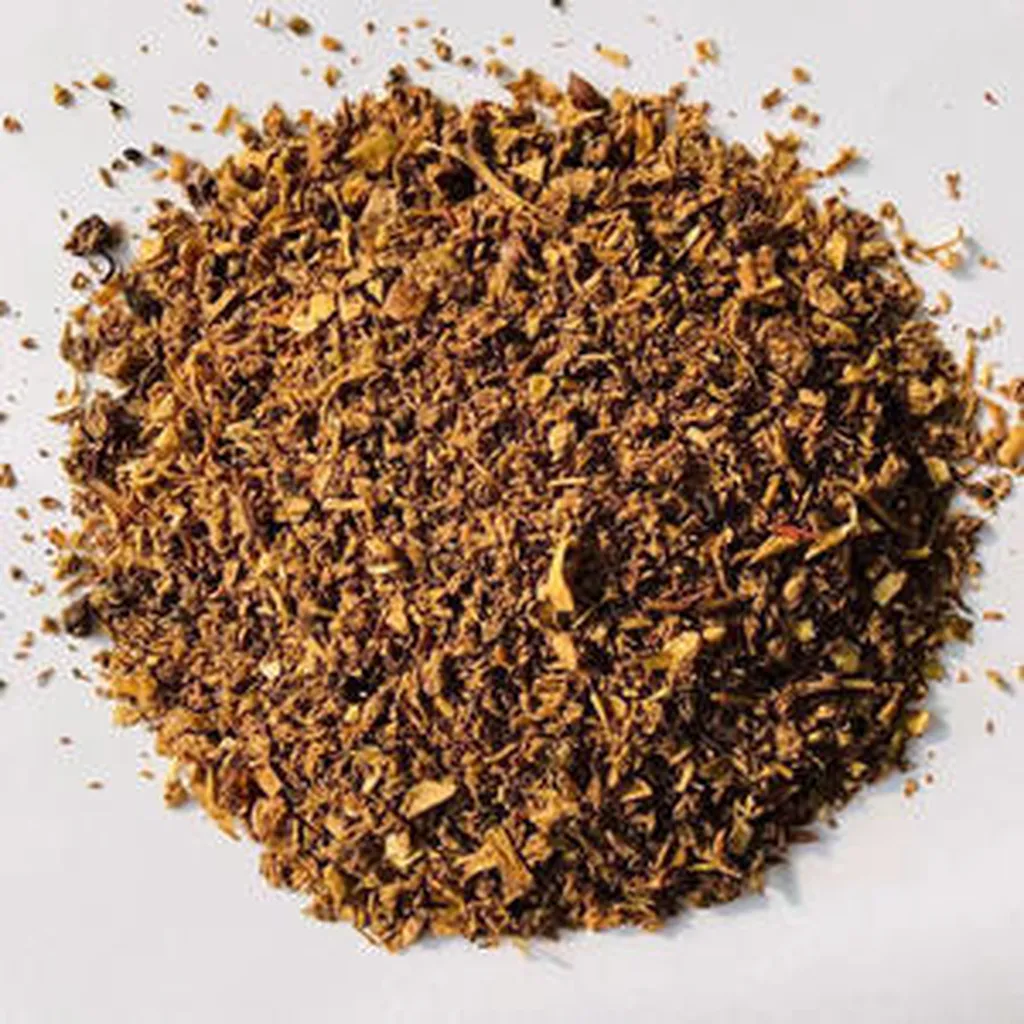
In the quest for sustainable livestock feed solutions, researchers have turned to agricultural by-products, aiming to reduce waste and promote a greener future for the industry. A recent study published in *Frontiers in Microbiology* sheds light on the effects of replacing corn silage with a fermented mixture of cotton straw and apple pomace in beef cattle diets. The findings, led by Qikai Liu from the Department of Animal Science and Technology at Shihezi University in Xinjiang, China, offer valuable insights into the complex interplay between diet, microbial communities, and animal performance.
The study involved twenty beef cattle, divided into two groups: a control group fed a standard diet and a treatment group whose diet included the fermented cotton straw-apple pomace mixture. The results revealed a significant reduction in average daily gain (ADG) and dry matter intake (DMI) in the treatment group, with decreases of 25.42% and 18.79%, respectively. “These reductions suggest that while the fermented mixture is a viable alternative, it may not fully replicate the nutritional benefits of corn silage,” Liu noted.
The research also highlighted changes in rumen fermentation parameters and fibrolytic enzyme activities. Volatile fatty acids (VFAs), crucial for energy production in cattle, were significantly lower in the treatment group, ranging from 9.63% to 17.01% reductions. Additionally, the activities of cellulase, hemicellulase, and cellobiohydrolase—enzymes vital for breaking down plant fibers—were decreased by 13.22%, 38.80%, and 13.66%, respectively.
One of the most intriguing aspects of the study was the alteration in the rumen microbial composition. The treatment group showed higher relative abundances of Anaeroplasma and Pyramidobacter, while Anseongella, Holdemania, and Acetoanaerobium were less prevalent. “These shifts in microbial populations could have profound implications for rumen function and overall animal health,” Liu explained.
Non-targeted metabolomics analysis revealed significant changes in the rumen metabolite profile, with ferulic acid concentrations notably higher in the treatment group. Spearman correlation analysis further indicated that specific bacteria were significantly correlated with ADG and enzyme activities, suggesting a direct link between microbial composition and animal performance.
The commercial implications of this research are substantial. As the agriculture sector seeks to minimize waste and maximize resource utilization, the potential to use agricultural by-products like cotton straw and apple pomace as feed additives could revolutionize livestock management. However, the observed reductions in growth performance and enzyme activities highlight the need for further optimization. “While the fermented mixture shows promise, it is clear that additional research is needed to enhance its nutritional profile and ensure it meets the dietary requirements of beef cattle,” Liu concluded.
This study not only advances our understanding of rumen microbiology but also paves the way for innovative feed solutions that could benefit both the environment and the agricultural industry. As researchers continue to explore the complexities of microbial communities and their impact on animal health, the future of sustainable livestock feed looks increasingly bright.