
In the ever-evolving landscape of cancer research, a groundbreaking study published in the *Computational and Structural Biotechnology Journal* has shed new light on how tumors adapt over time, potentially reshaping our understanding of immune evasion and opening doors for innovative therapeutic strategies. The research, led by Md. Iftehimul from the Institute of Biotechnology at Bangladesh Agricultural University, delves into the temporal molecular remodeling of T cells within triple-negative breast cancer (TNBC) tumors, offering insights that could have far-reaching implications for both medical and agricultural biotechnology.
Triple-negative breast cancer is notorious for its aggressive nature and limited treatment options. The study focused on the 4T1 TNBC tumor model, which was implanted in mice and analyzed at one-, three-, and six-week intervals. The findings revealed a striking decline in the transcriptomic signatures associated with T cells, dropping from 194 at one week to 156 at six weeks. This decline was particularly notable in transcripts related to T cell receptors (TCR), natural killer T cells, and gamma delta T cells, indicating a progressive loss of critical immune functions.
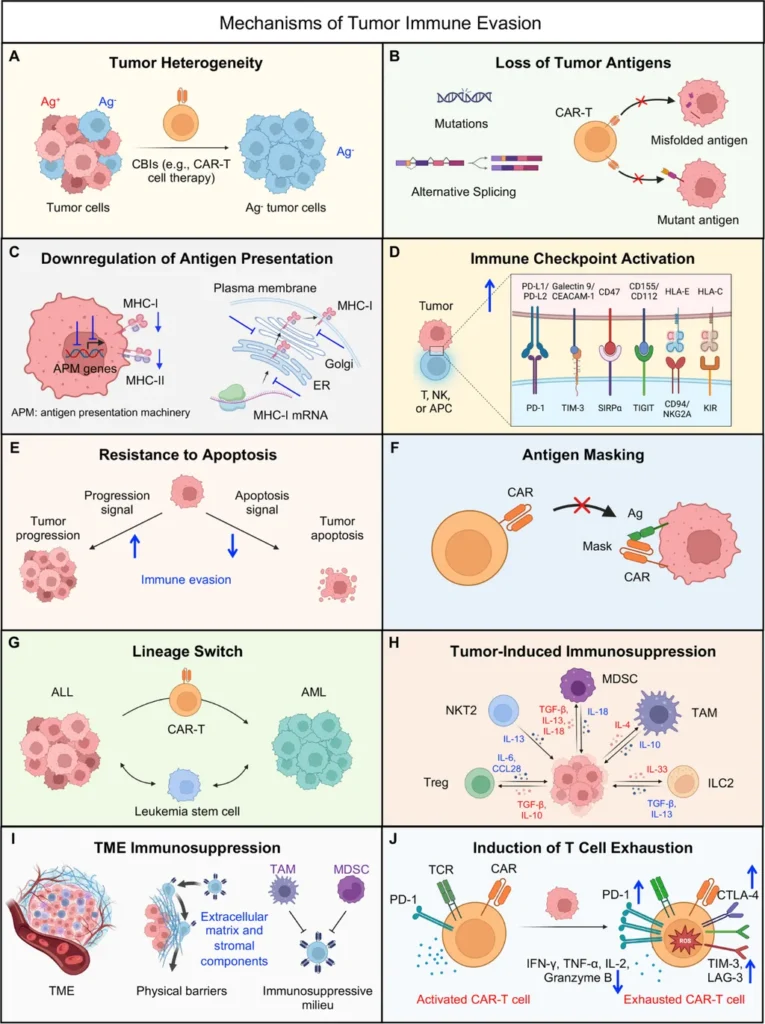
“Our study highlights the dynamic nature of the tumor microenvironment,” said Md. Iftehimul. “The temporal shifts in T cell polarization and the deterioration of antigen-presenting cell (APC) transcripts suggest a coordinated effort by the tumor to evade the immune system.”
The research uncovered a fascinating temporal pattern in T cell polarization. At one week, the T cells exhibited a polarization towards CD4+ type 1 T helper and type 1 CD8+ cytotoxic T cell responses. By three weeks, there was a skewing towards CD8+ cytotoxic follicular T cells, and at six weeks, the T cells transitioned to producing interleukin 17/22, indicative of a shift towards a more suppressive environment.
The study also revealed a deterioration in APC transcripts at six weeks, characterized by reduced expression of co-stimulatory and APC genes. Despite an early dominance of M1-like macrophage genes, the persistent expression of arginase 1 (ARG1) and other M2-associated genes suggested a stable tolerogenic niche, further contributing to immune suppression.
The implications of this research extend beyond the realm of oncology. In the agricultural sector, understanding the temporal molecular remodeling of immune cells could pave the way for innovative biotechnological applications. For instance, the insights gained from this study could be leveraged to develop more effective immune-based strategies for combating plant diseases and pests. By mimicking the temporal shifts observed in the tumor microenvironment, researchers could potentially enhance the efficacy of biopesticides and other agricultural biotechnologies.
Moreover, the study’s findings could inform the development of stage-specific immunotherapeutic interventions. By identifying the critical windows during which the tumor microenvironment undergoes significant changes, researchers could design targeted therapies that exploit these temporal shifts to boost the immune system’s ability to fight cancer.
As we continue to unravel the complexities of the tumor microenvironment, studies like this one serve as a reminder of the intricate interplay between cancer cells and the immune system. The research led by Md. Iftehimul from the Institute of Biotechnology at Bangladesh Agricultural University not only advances our understanding of TNBC but also offers a glimpse into the future of immunotherapeutic strategies, both in medicine and agriculture. The journey towards conquering cancer and enhancing agricultural productivity is fraught with challenges, but with each new discovery, we inch closer to a world where these goals are within reach.