
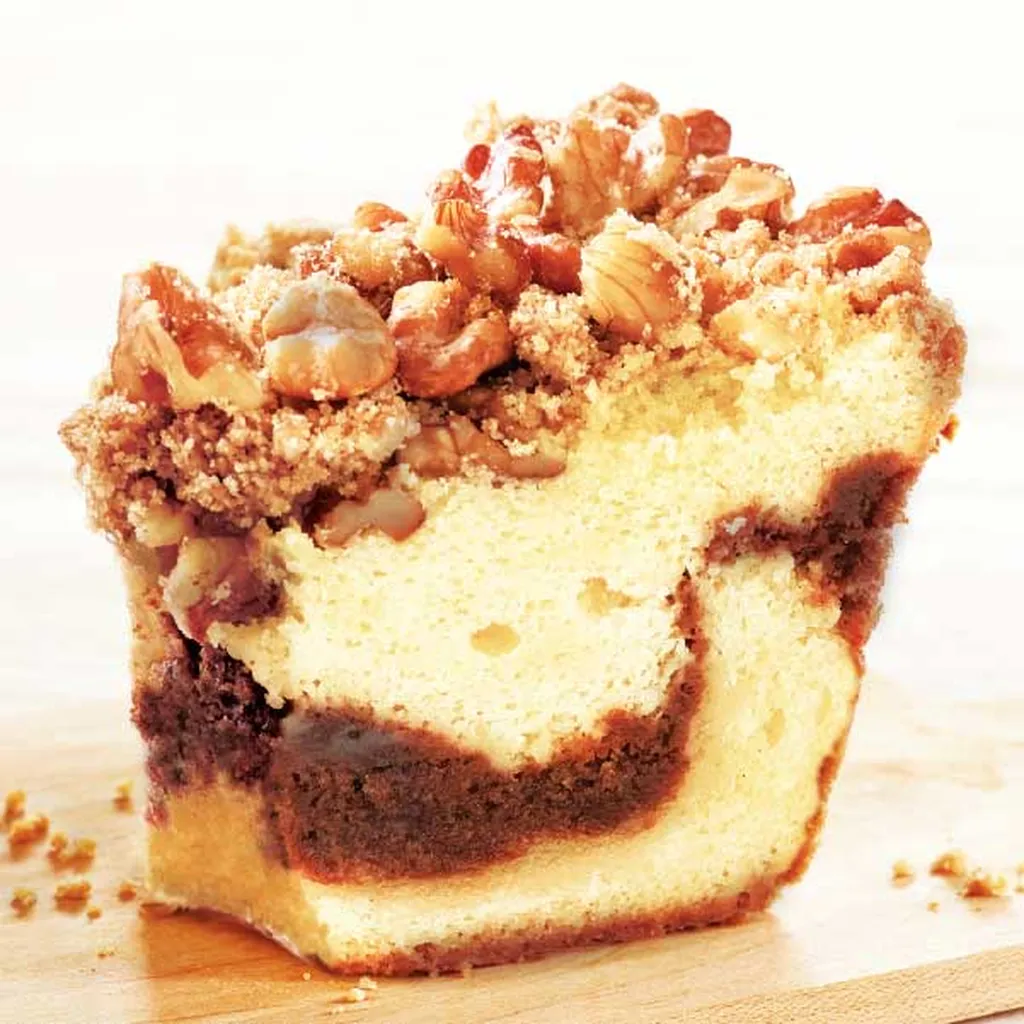
In the ever-evolving world of food science, a recent study published in *Shipin yu jixie* has shed light on the optimal blending of siritch and corn oil to enhance the quality of walnut cake. Led by HAN Yumeng from the College of Food Science and Bioengineering at Tianjin Agricultural University, the research delves into the intricate balance of sensory and physicochemical properties that define the perfect walnut cake.
The study employed a gradient experiment approach, meticulously analyzing the impact of varying siritch-corn oil ratios on the final product. Sensory evaluations, texture analysis, electronic nose measurements, and gas chromatography-mass spectrometry (GC-MS) were utilized to provide a comprehensive assessment. Additionally, moisture content, acid value, and peroxide value were determined to gauge the oxidative stability of the walnut cake.
The findings revealed that a 1:1 ratio of siritch to corn oil yielded the highest sensory score of 82.8, characterized by a golden hue, rich aroma, and balanced texture. This ratio also ensured excellent moisture uniformity and the highest semi-bound water content, effectively enhancing the characteristic flavor of siritch. “The 1:1 ratio not only preserves the traditional flavor but also improves the nutritional value of walnut cake,” noted HAN Yumeng, emphasizing the significance of this optimal blend.
Oxidative stability analysis further underscored the importance of this ratio. When the siritch-corn oil ratio exceeded 1:1, both acid value and peroxide value increased significantly, indicating a potential decline in product quality over time. This insight is crucial for manufacturers aiming to extend the shelf life and maintain the quality of their products.
The commercial implications of this research are substantial. For the agriculture sector, understanding the optimal oil blend can lead to more efficient production processes and higher-quality products. As HAN Yumeng explained, “This research provides a scientific basis for the food industry to optimize their formulations, ensuring consistent quality and consumer satisfaction.”
Moreover, the study’s focus on volatile components and oxidative stability opens new avenues for innovation in food processing. Future developments may include the creation of novel oil blends tailored to specific food products, enhancing both flavor and nutritional profiles. The agricultural sector can leverage these findings to develop new products that meet consumer demands for healthier and more flavorful options.
In conclusion, the research by HAN Yumeng and colleagues offers valuable insights into the optimal blending of siritch and corn oil for walnut cake production. By preserving traditional flavors and improving nutritional value, this study paves the way for advancements in food science and the agriculture sector. As the industry continues to evolve, such scientific endeavors will be instrumental in shaping the future of food production and quality assurance.