
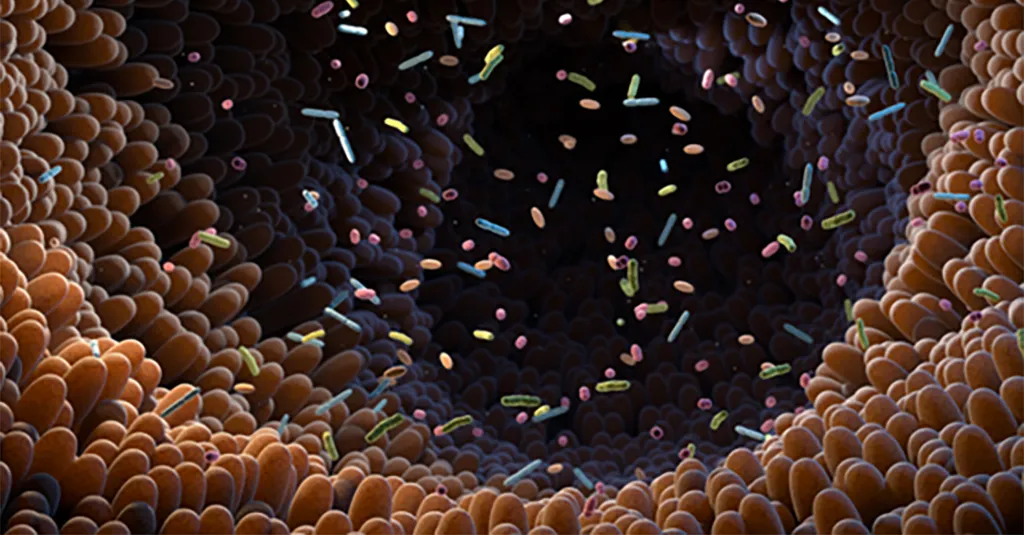
In the ever-evolving landscape of agricultural technology, a recent study published in *Animal Nutriomics* is making waves by delving into the intricate world of feline gut microbiota. Led by Fei Wang from the Key Laboratory of Animal Molecular Nutrition at Zhejiang University and the State Key Laboratory for Quality and Safety of Agro-Products at the Zhejiang Academy of Agricultural Sciences, the research offers a comparative analysis of the gut microbiota in British Shorthair cats and another breed, *nulla luctus felis*, while also screening for bacterial strains that could potentially combat pathogens.
The study’s findings could have significant implications for the agriculture sector, particularly in the realm of animal health and nutrition. By understanding the microbial communities residing in the guts of these feline breeds, researchers can identify beneficial bacteria that could be harnessed to improve overall health and disease resistance. This could lead to the development of targeted probiotics and prebiotics, tailored specifically for different cat breeds, thereby enhancing their well-being and longevity.
“Our research highlights the importance of understanding the unique microbial ecosystems within different animal breeds,” said Fei Wang. “By identifying beneficial strains, we can potentially develop novel nutritional strategies that promote health and mitigate disease.”
The commercial impact of this research is substantial. The pet care industry is a multi-billion-dollar market, with pet owners increasingly seeking high-quality, science-backed products to ensure the health and happiness of their furry companions. Probiotics and functional foods designed to support gut health are already gaining traction, and this study could pave the way for even more specialized and effective products.
Moreover, the insights gained from this research could extend beyond the pet care industry. The principles of microbial management and the identification of beneficial strains could be applied to other areas of agriculture, such as livestock farming. By optimizing the gut microbiota of farm animals, farmers could enhance their productivity, resilience, and overall health, leading to more sustainable and efficient agricultural practices.
The study also underscores the importance of personalized nutrition, a concept that is gaining ground in both human and animal health. Just as humans have unique dietary needs based on their genetics and lifestyle, animals too can benefit from tailored nutritional approaches. This could open up new avenues for research and product development, catering to the specific needs of different animal breeds and species.
As the agricultural sector continues to embrace technological advancements, studies like this one play a crucial role in shaping the future of animal health and nutrition. By unraveling the complexities of the gut microbiota, researchers are not only enhancing our understanding of these intricate ecosystems but also paving the way for innovative solutions that could transform the way we care for our animals.
In the words of Fei Wang, “This research is just the beginning. The potential applications are vast, and we are excited to explore how these findings can be translated into practical solutions that benefit both animals and the agriculture industry as a whole.”