
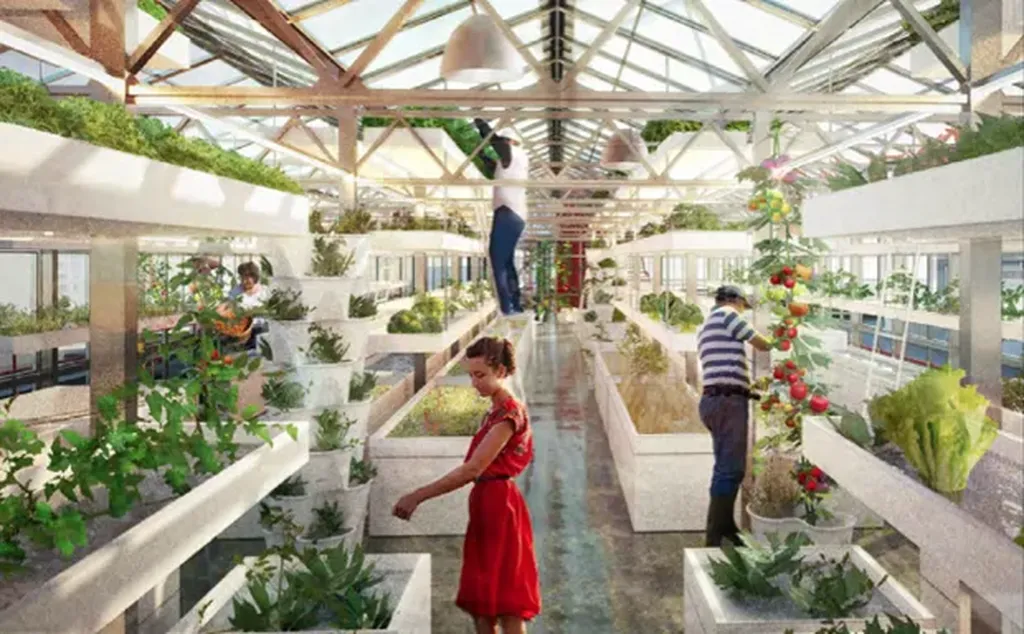
In the quest for sustainable and efficient agricultural practices, a novel approach is making waves: Integrated Aquaponic Vertical Farming (IAVF). This innovative method, which combines aquaponics and vertical farming, is gaining traction for its potential to revolutionize organic agriculture. Published in the journal ‘مجلة الأنبار للعلوم الزراعية’, a recent review article led by Y. Alajeli from the Department of Agriculture at Lincoln University College in Malaysia sheds light on this promising technique.
IAVF is not just another farming trend; it’s a holistic approach that addresses some of the most pressing challenges in modern agriculture. By integrating aquaculture and hydroponics, IAVF creates a symbiotic relationship between fish and plants. The waste produced by the fish serves as nutrients for the plants, which in turn purify the water, creating a closed-loop system that maximizes resource efficiency.
“IAVF takes sustainability a step further by making greater use of available resources, space, and the environment,” explains Alajeli. This vertical farming method stacks crops in layers, significantly reducing the land area required for cultivation. Meanwhile, aquaponics eliminates the need for synthetic fertilizers, as the fish waste provides all the necessary nutrients for plant growth.
The commercial impacts of IAVF on the agriculture sector are substantial. For starters, it offers a solution to the growing demand for organic produce. Consumers are increasingly conscious of the environmental impact of their food choices, and IAVF’s organic-based fertilizers and closed-loop system align perfectly with this trend. Additionally, the reduced need for land and water can lower operational costs, making it an attractive option for commercial farmers.
Moreover, IAVF’s vertical design allows for year-round production, regardless of weather conditions. This consistency can lead to a steady supply of produce, benefiting both farmers and consumers. The method also has the potential to reduce greenhouse gas emissions, as it requires less land and water than traditional farming methods, and eliminates the need for synthetic fertilizers.
The review article also highlights the historical development of IAVF and discusses its potential for future expansion. As the global population continues to grow, so does the demand for food. IAVF, with its efficient use of resources and space, could play a crucial role in meeting this demand.
Looking ahead, the research suggests that IAVF could shape the future of agriculture in several ways. For instance, it could lead to the development of new farming technologies and techniques, further enhancing the efficiency and sustainability of food production. Additionally, it could inspire policy changes that promote and support sustainable agriculture practices.
In conclusion, IAVF is more than just a farming method; it’s a step towards a more sustainable and efficient future for agriculture. As Alajeli puts it, “IAVF is based on concepts of a circular economy and gradual farming expansion that seek to address contemporary food production challenges.” With its potential to reduce resource use, lower operational costs, and meet the growing demand for organic produce, IAVF could very well be the future of farming.