
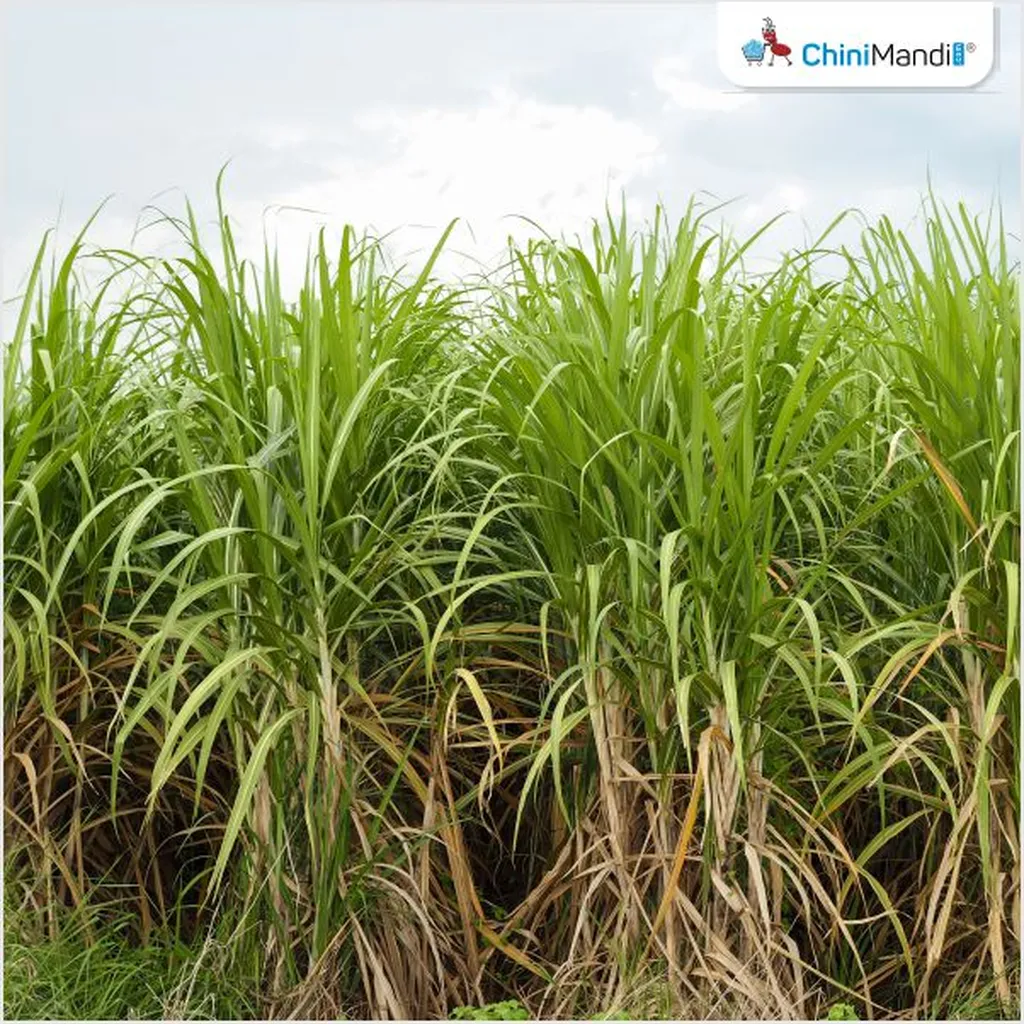
In the heart of China’s sugarcane fields, a breakthrough is unfolding that could reshape how we understand and protect one of the world’s most vital crops. Researchers, led by Yachun Su from the Key Laboratory of Sugarcane Biology and Genetic Breeding, have delved into the genomic landscape of class III peroxidases (PODs) in sugarcane, uncovering a potential game-changer for disease resistance.
Class III peroxidases are enzymes that play a pivotal role in plant growth and stress responses. However, their specific functions in sugarcane have remained largely unexplored until now. The team’s study, published in the journal ‘Plant Stress’, identified 174 SoPOD genes in Saccharum officinarum LA-purple, classified into seven subgroups. This comprehensive mapping revealed that the family expansion primarily resulted from whole-genome or segmental duplications, with a majority of gene pairs showing a Ka/Ks ratio less than 1, indicating purifying selection.
The research team discovered that these genes are not just passive observers but active participants in the plant’s defense mechanism. “We found that SoPOD expression was tissue-specific and responsive to cold, drought, and infection by the smut fungus Sporisorium scitamineum,” Su explained. Notably, SoPOD30 was exclusively upregulated in the resistant cultivar after infection, a finding that could pave the way for developing more resilient sugarcane varieties.
The team’s investigation didn’t stop at identification. They isolated the homolog ScPOD01 from sugarcane hybrid cultivars and demonstrated its plasma membrane localization. Real-time quantitative PCR showed that ScPOD01 was induced by S. scitamineum infection across all eight cultivars studied and under various abiotic stresses. Transient expression of ScPOD01 in Nicotiana benthamiana activated immune responses, as evidenced by intensified DAB staining and upregulation of hypersensitive reaction- and SA-related genes.
The commercial implications of this research are substantial. Sugarcane is a cornerstone of the agriculture sector, with global production exceeding 1.9 billion tons annually. Diseases like smut, caused by S. scitamineum, can devastate yields, leading to significant economic losses. Understanding and harnessing the immune function of ScPOD01 could lead to the development of disease-resistant sugarcane varieties, ensuring food security and economic stability for farmers worldwide.
This study not only uncovers the evolutionary diversification and expression specificity of the sugarcane POD family but also elucidates the immune function of ScPOD01. It lays a foundation for understanding POD roles in sugarcane disease resistance, potentially revolutionizing the way we approach crop protection. As the world grapples with the challenges of climate change and food security, such breakthroughs are not just scientific achievements but beacons of hope for a sustainable future.
The research, led by Yachun Su from the Key Laboratory of Sugarcane Biology and Genetic Breeding, Ministry of Agriculture and Rural Affairs, and the State Key Laboratory for Tropical Crop Breeding, Institute of Tropical Bioscience and Biotechnology/Sanya Research Institute, Chinese Academy of Tropical Agricultural Sciences, represents a significant step forward in the field of plant biotechnology. It underscores the importance of investing in agricultural research and highlights the potential of genomic studies to drive innovation in the agriculture sector.