
In the heart of Indonesia, a quiet revolution is taking root, one that promises to reshape the future of agriculture. Researchers at Universitas Islam Malang have pioneered a smart farming system that combines aeroponics with Internet of Things (IoT) technology to grow romaine lettuce, offering a potential solution to the country’s land scarcity issues and a model for sustainable, high-tech farming.
The system, detailed in a recent paper published in *Informatics, Electrical, and Electronics Engineering*, is a vertical aeroponic farming setup that uses stacked boxes to grow plants. Instead of traditional soil, the plants’ roots are suspended in air and periodically misted with a nutrient-rich solution using a high-pressure water pump. This method, known as aeroponics, allows for optimal oxygenation and nutrient delivery, leading to faster growth and higher yields.
At the core of this innovation is a sophisticated control and monitoring system. Lead author Galih Setiawan and his team integrated Arduino Uno R3 and NodeMCU modules to create a network of sensors and actuators that regulate the environment within the greenhouse. “We use a DHT11 sensor to monitor temperature and humidity, while an HC-SR04 ultrasonic sensor keeps track of the nutrient solution level,” Setiawan explains. The data collected by these sensors is sent to a relay, which then controls solenoids, DC fans, and water pumps to maintain optimal growing conditions.
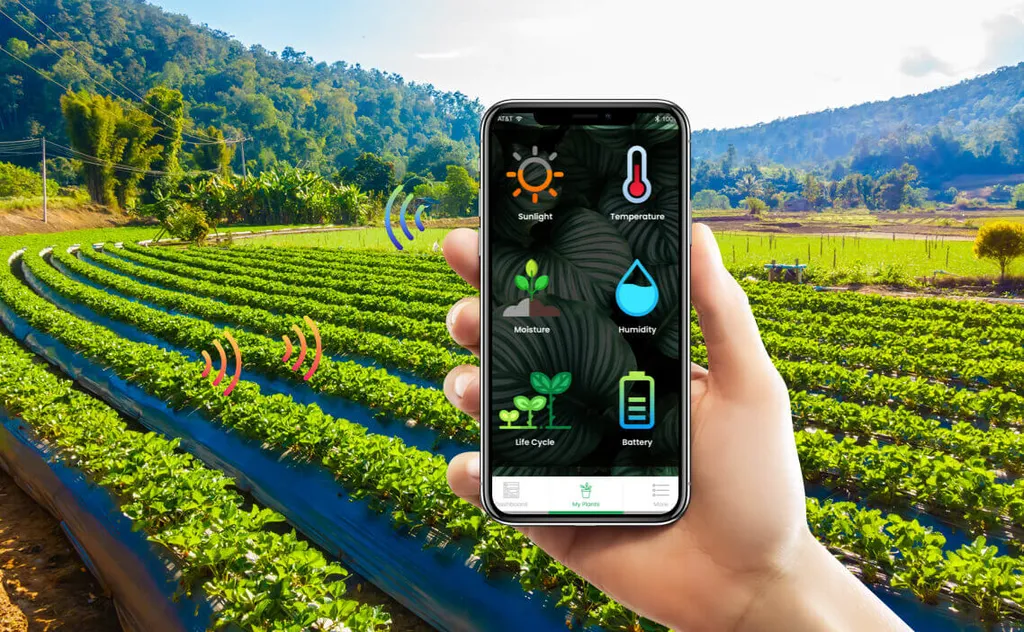
One of the most striking features of this system is its remote monitoring and control capability. Through the Blynk platform, farmers can access real-time data from the sensors and control the system using their smartphones. This level of connectivity not only saves time and labor but also allows for precise, data-driven decision-making.
The commercial implications of this research are substantial. With land becoming increasingly scarce and expensive, vertical farming offers a viable alternative. “This system can be implemented in urban areas, on rooftops, or even inside buildings, making it possible to grow fresh produce close to consumers,” Setiawan notes. This proximity could significantly reduce transportation costs and carbon emissions, while also ensuring fresher, more nutritious produce for consumers.
Moreover, the precision and efficiency of the system could lead to higher yields and reduced water and nutrient waste, making it an attractive prospect for commercial farmers. The integration of IoT technology also opens up avenues for data analytics and machine learning, which could further optimize crop growth and resource utilization.
As the world grapples with the challenges of climate change, population growth, and urbanization, innovations like this one offer a glimmer of hope. They demonstrate that by harnessing the power of technology, we can create sustainable, efficient, and resilient food systems. The research led by Galih Setiawan at Universitas Islam Malang, published in *Informatics, Electrical, and Electronics Engineering*, is a testament to this potential and a stepping stone towards a smarter, greener future for agriculture.