
In the rapidly evolving world of unmanned aerial vehicles (UAVs), commonly known as drones, a recent bibliometric analysis published in *Acta Informatica Pragensia* sheds light on the global research landscape of drone delivery systems. The study, led by Abdulwahab Funsho Atanda from the Design and Technology Centre (DeTeC) at the University of Technology Sarawak, Malaysia, offers a comprehensive overview of the trends, challenges, and advancements in this burgeoning field.
The research analyzed 1,438 articles from 583 sources, authored by 4,333 scholars between 2015 and 2024. The findings reveal a strong interdisciplinary focus, with early studies primarily driven by military applications. However, recent breakthroughs have highlighted the integration of artificial intelligence (AI) for autonomous navigation and energy optimization, marking a significant shift towards civilian and commercial applications.
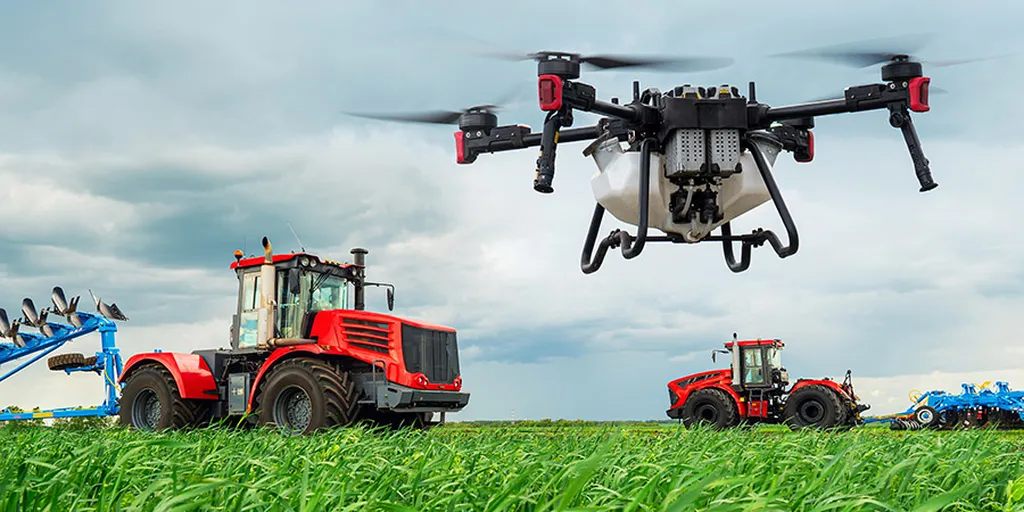
One of the most intriguing developments is the emergence of drone swarms for scalable applications, such as disaster response and agricultural mapping. “The integration of AI and drone swarms represents a paradigm shift in how we approach logistics and environmental monitoring,” Atanda noted. This technological leap could revolutionize the agriculture sector, enabling more efficient crop monitoring, precision farming, and timely delivery of supplies to remote areas.
Geographically, the study identified China, the United States, and Australia as the leading contributors to drone delivery research. Extensive international collaborations are fostering global innovation, with a steady evolution from conceptual and technical foundations to applied studies addressing logistics, smart cities, and environmental monitoring.
The commercial impacts for the agriculture sector are particularly noteworthy. Drones equipped with AI can provide real-time data on crop health, soil conditions, and pest infestations, allowing farmers to make informed decisions and optimize yields. Additionally, the use of drone swarms for agricultural mapping can significantly reduce the time and labor required for large-scale farming operations.
As the field transitions from exploratory phases towards AI-enabled autonomy deployment, the future of drone delivery hinges on balancing technological innovation with ethical, regulatory, and societal considerations. The study suggests that the integration of drones into the agriculture sector could lead to more sustainable and efficient farming practices, ultimately benefiting both producers and consumers.
In summary, the bibliometric analysis provides a valuable snapshot of the current state and future directions of drone delivery research. As technology continues to advance, the agriculture sector stands to gain immensely from the integration of drones and AI, paving the way for a more efficient and sustainable future.