
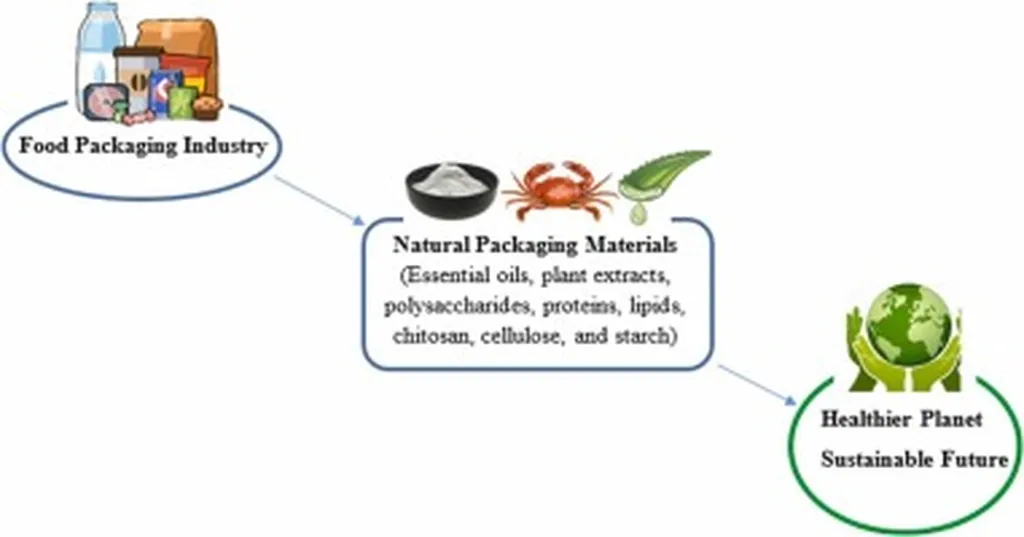
In the quest for sustainable food packaging solutions, researchers have turned to an unlikely ally: plant proteins. A recent review published in *Frontiers in Sustainable Food Systems* delves into the innovative use of plant proteins in creating eco-friendly food packaging films and coatings. Led by Limin Wang from the College of Biotechnology and Food Science at Tianjin University of Commerce, the study explores the potential of these materials to revolutionize the food packaging industry, offering a greener alternative to traditional plastic-based solutions.
The research highlights the incorporation of biopolymers such as plasticizers, polysaccharides, and lipids to enhance the properties of plant protein-based films. These biopolymers play a crucial role in improving the barrier and mechanical properties of the packaging materials, making them more effective in preserving food and extending shelf life. “The complementarity between protein and biopolymers within films is key to achieving the desired properties,” Wang explains. This synergy not only enhances the functionality of the packaging but also addresses the sustainability concerns associated with conventional packaging materials.
One of the most exciting aspects of this research is the exploration of innovative fabrication technologies. Techniques such as electrospinning, solution casting, and dry extrusion are being investigated for their potential to create high-performance, sustainable packaging materials. These technologies offer new avenues for customizing the properties of plant protein-based films to meet specific food preservation needs.
The commercial implications for the agriculture sector are significant. As consumer demand for sustainable and eco-friendly products continues to grow, the development of plant protein-based packaging could open up new markets and opportunities for agricultural producers. Farmers and food manufacturers can benefit from the reduced environmental impact and the potential for cost savings associated with these innovative materials. “This research provides a foundation for future exploration of innovative plant proteins in the field of food preservation,” Wang notes, highlighting the potential for further advancements and commercial applications.
The study also evaluates the sustainability of these materials, emphasizing their potential to reduce the environmental footprint of the food packaging industry. By utilizing renewable resources and biodegradable materials, plant protein-based packaging offers a promising solution to the challenges posed by plastic waste and pollution.
As the world grapples with the urgent need for sustainable solutions, the research led by Limin Wang offers a glimpse into the future of food packaging. By harnessing the power of plant proteins and innovative technologies, the agriculture sector can play a pivotal role in shaping a more sustainable and eco-friendly future. The findings of this study not only advance our understanding of plant protein-based packaging but also pave the way for new commercial opportunities and environmental benefits.