
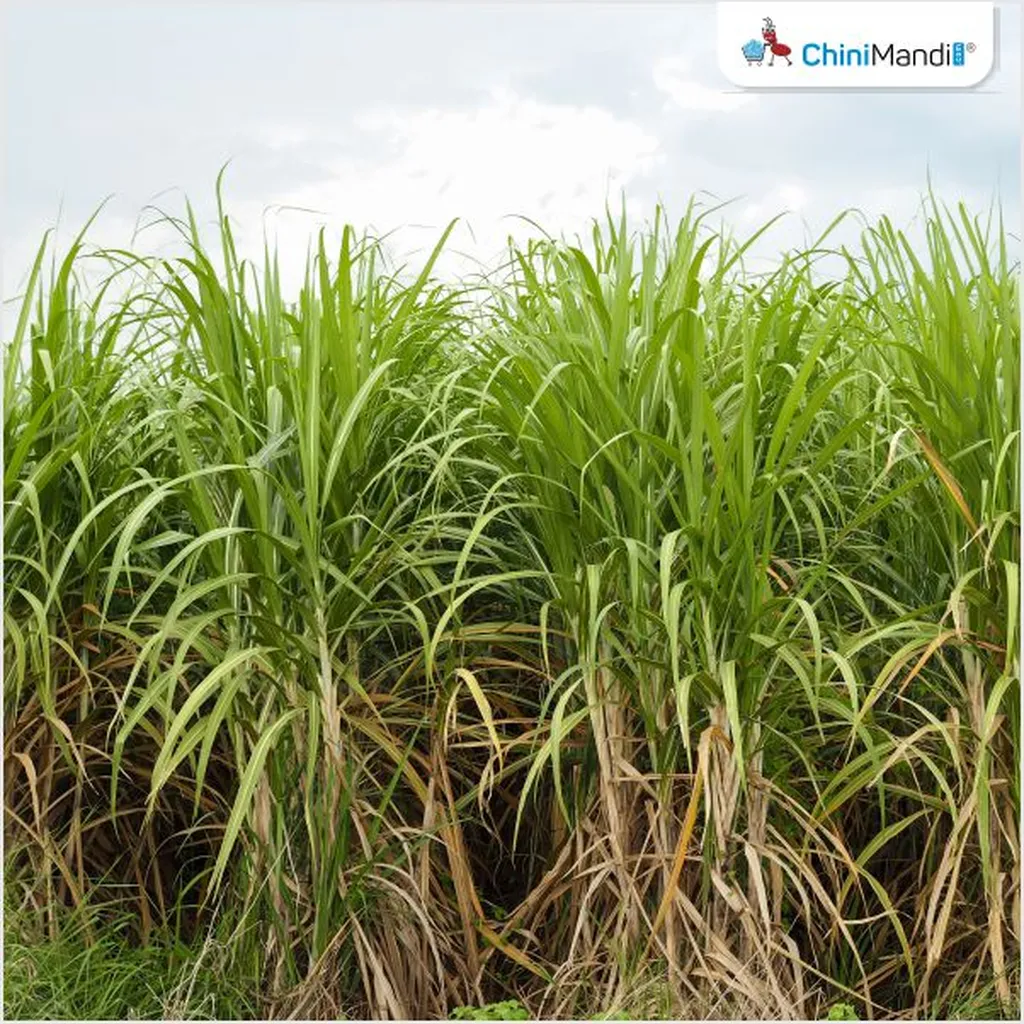
In the heart of China’s Yunnan province, researchers have uncovered a genetic mechanism that could revolutionize sugarcane farming, offering a promising path to higher yields and improved drought tolerance. The study, led by Zhuandi Wu from the National Key Laboratory for Biological Breeding of Tropical Crops and the Sugarcane Research Institute, has identified a gene that plays a pivotal role in regulating sugarcane tillering and growth under drought stress. Published in the Journal of Integrative Agriculture, the findings could significantly impact the agriculture sector, particularly in regions where water scarcity is a growing concern.
The research focuses on the ScD27.2 gene, a homolog of the D27 gene known to be involved in the biosynthesis of strigolactones (SLs), a class of plant hormones that regulate plant architecture. “Understanding the role of ScD27.2 in sugarcane tillering and drought response is crucial for developing high-yielding, stress-tolerant varieties,” Wu explained. The study revealed that silencing the ScD27.2 gene led to an increase in tiller numbers but reduced drought tolerance, while overexpressing the gene had the opposite effect, decreasing tiller numbers but enhancing drought resistance.
The implications for the agriculture sector are substantial. Sugarcane is a vital cash crop, and any improvement in yield or stress tolerance can have significant economic benefits. “This research provides a genetic tool to optimize sugarcane agronomic traits, particularly tiller number and yield, under varying environmental conditions,” Wu noted. The findings suggest that by manipulating the ScD27.2 gene, farmers could potentially produce sugarcane varieties that are not only more productive but also more resilient to drought, a critical factor as climate change continues to impact global agriculture.
The study also sheds light on the complex interplay between genes and environmental factors. The researchers found that the ScD27.2 gene contains abiotic stress-responsive elements in its promoter, indicating its potential importance in stress tolerance. This discovery opens up new avenues for research into how plants respond to environmental stressors and how these responses can be harnessed to improve crop resilience.
Looking ahead, the research could pave the way for the development of genetically modified sugarcane varieties tailored to specific environmental conditions. This could be particularly beneficial in regions where water scarcity is a major challenge, allowing farmers to maintain high yields despite adverse conditions. Additionally, the findings could have broader implications for other crops, as the mechanisms underlying SL biosynthesis and stress response are likely to be conserved across plant species.
In the quest for sustainable and productive agriculture, this study represents a significant step forward. By unraveling the genetic mechanisms that regulate plant growth and stress response, researchers are equipping farmers with the tools they need to adapt to a changing climate and meet the growing demand for food and bioenergy. As Wu and his team continue to explore the potential of the ScD27.2 gene, the future of sugarcane farming looks increasingly promising.