
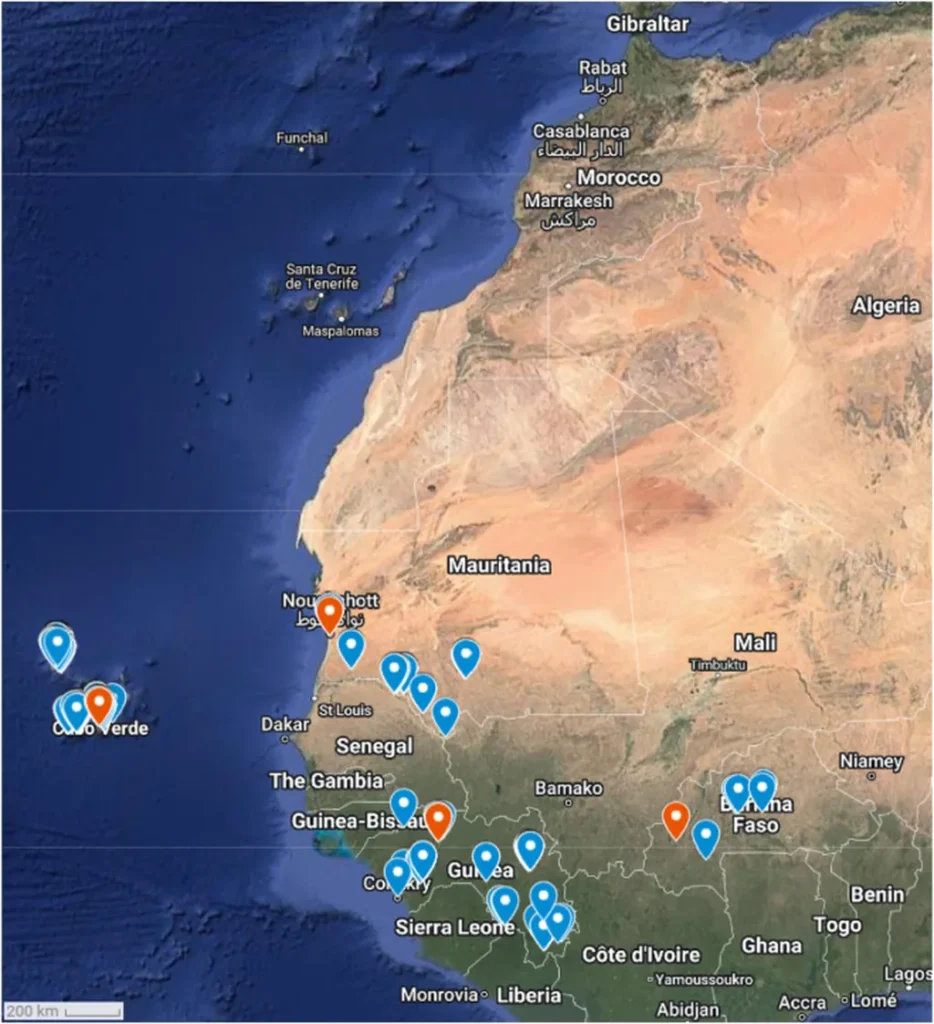
In a significant stride towards understanding and mitigating the threat of the fall armyworm (Spodoptera frugiperda) to Morocco’s agriculture, a recent study published in *Scientific African* has shed light on the potential invasion pathways of this devastating pest. Led by Khalid Khfif from the Laboratory of Entomology at the National Institute for Agricultural Research (INRA) in Tangier, the research employs advanced trajectory modeling to assess the risk of FAW migration into Moroccan territory.
The fall armyworm, a polyphagous pest known for its voracious appetite and rapid spread, has already wreaked havoc on plant production across much of Africa since its first confirmed sighting in western African countries in early 2016. The economic damage inflicted by this invasive species is substantial, with severe implications for food security and rural livelihoods. However, Morocco has thus far remained unscathed by this agricultural menace.
Khfif and his team set out to change that by simulating potential flight paths from various locations where the pest is currently established. Their findings reveal that the majority of simulated terminal points originating from a trap site near the Moroccan border in Mauritania were concentrated over the Atlantic Ocean, southern Mauritania, and northern Senegal. Only a few simulated paths reached Moroccan territory, suggesting a low risk of FAW invasion from the south.
“The arid desert regions of southern Morocco lack suitable host plants, and the combination of high temperatures and drought stress likely limits the pest’s survival and movement,” explains Khfif. This discovery is crucial for Moroccan agriculture, as it allows for more targeted and efficient monitoring efforts.
The study also highlights the importance of focusing on areas facing the Canary Islands, where both host plants and favorable climatic conditions exist. This regional context is vital for understanding the broader wind dynamics across Africa and preparing for potential FAW invasions.
The commercial impacts of the fall armyworm on the agriculture sector are profound. The pest’s polyphagous nature means it can feed on a wide range of crops, including maize, rice, and sorghum, which are staple foods for many African nations. The economic damage caused by FAW can lead to significant losses in crop yields, affecting farmers’ livelihoods and food security.
This research not only provides valuable insights into the potential invasion pathways of the fall armyworm but also underscores the importance of proactive measures in pest management. By understanding the risk factors and migration patterns, agricultural stakeholders can better prepare and implement strategies to mitigate the impact of this invasive pest.
As Khfif notes, “Our findings indicate that the risk of FAW invasion from the south appears low, but vigilance and monitoring efforts should be prioritized in areas facing the Canary Islands.” This proactive approach can help safeguard Morocco’s agricultural sector and ensure food security for its population.
The study published in *Scientific African* by Khfif and his team is a testament to the power of scientific research in addressing real-world challenges. By leveraging advanced modeling techniques, researchers can provide critical insights that inform policy and practice, ultimately contributing to a more resilient and sustainable agricultural future.
As the fall armyworm continues to pose a significant threat to African agriculture, the findings of this study offer a beacon of hope and a roadmap for effective pest management strategies. The research not only highlights the importance of understanding migration patterns but also emphasizes the need for regional cooperation and targeted monitoring efforts.
In the face of this invasive pest, the agricultural sector must remain vigilant and proactive. By building on the insights provided by this study, stakeholders can work together to mitigate the impact of the fall armyworm and protect the livelihoods of millions of farmers across Africa.