
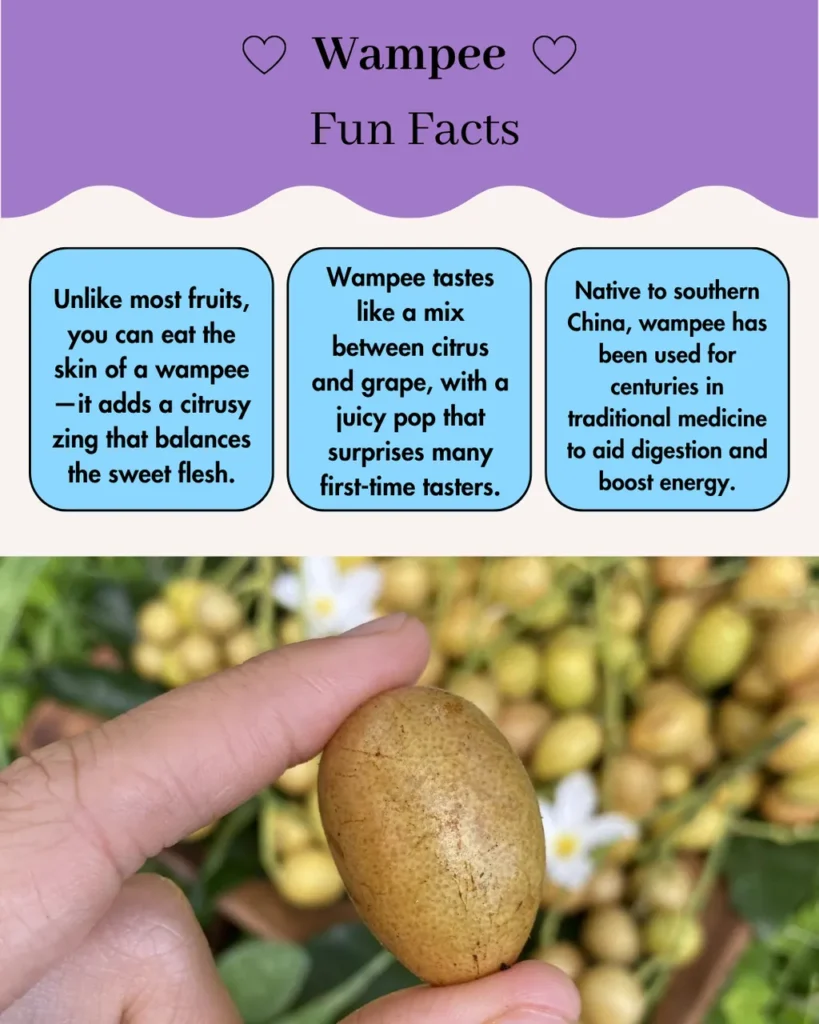
In the world of fruit cultivation and agricultural technology, understanding the nuances of taste and metabolic profiles can significantly impact marketability and consumer preference. A recent study published in *Food Chemistry: X* has shed light on these very aspects for wampee, a fruit with a rich history of consumption and medicinal value. The research, led by Xiaopeng Wu from the Analysis and Test Center at the Chinese Academy of Tropical Agricultural Sciences, provides a comprehensive analysis of different wampee varieties, offering insights that could revolutionize the agricultural sector.
The study employed a combination of electronic tongue technology, untargeted metabolomics, and advanced analytical techniques such as UHPLC-QTOF-MS/MS and GC-TOF-MS. By utilizing principal component analysis, correlation analysis, OPLS-DA, analysis of variance, and clustered heat map analysis, the researchers were able to discern significant differences in tastes, metabolites, and metabolic pathways among various wampee groups. This meticulous approach allowed them to identify 20 biomarkers that could distinguish between different varieties.
One of the most intriguing findings was the identification of wampee varieties A6, A9, and A10 as potentially refreshing and purely sweet. “These varieties stand out due to their unique taste profiles, which could cater to specific consumer preferences,” noted Xiaopeng Wu. This discovery not only enhances our understanding of wampee but also opens up new avenues for species selection and specialty food development.
The commercial implications of this research are substantial. For the agriculture sector, the ability to trace and select specific wampee varieties based on their metabolic profiles can lead to more targeted cultivation practices. Farmers can focus on growing varieties that are more likely to meet consumer demands, thereby increasing marketability and profitability. Additionally, the identification of biomarkers can aid in quality control and authentication, ensuring that consumers receive high-quality products.
Moreover, the study’s findings can pave the way for the development of specialty foods and beverages that leverage the unique taste profiles of different wampee varieties. This could lead to innovative product lines that cater to niche markets, further diversifying the agricultural landscape.
The research also highlights the importance of metabolic pathway KEGG enrichment analysis for differential metabolites. This analytical approach provides a deeper understanding of the biochemical processes underlying the taste and nutritional qualities of wampee. By elucidating these pathways, researchers can better comprehend how different environmental and genetic factors influence the fruit’s characteristics.
As the agricultural sector continues to evolve, the integration of advanced technologies like metabolomics and electronic tongue analysis will play a crucial role in enhancing productivity and quality. The study by Xiaopeng Wu and his team is a testament to the potential of these technologies in shaping the future of agriculture. By providing a robust framework for the systematic analysis of tastes and metabolites, this research offers valuable insights that can drive innovation and growth in the industry.
In summary, the study published in *Food Chemistry: X* not only advances our knowledge of wampee but also sets a precedent for how advanced analytical techniques can be applied to other crops. The findings have far-reaching implications for the agriculture sector, from species selection and quality control to the development of specialty foods. As we look to the future, the integration of such technologies will undoubtedly play a pivotal role in meeting the ever-evolving demands of consumers and the market.