
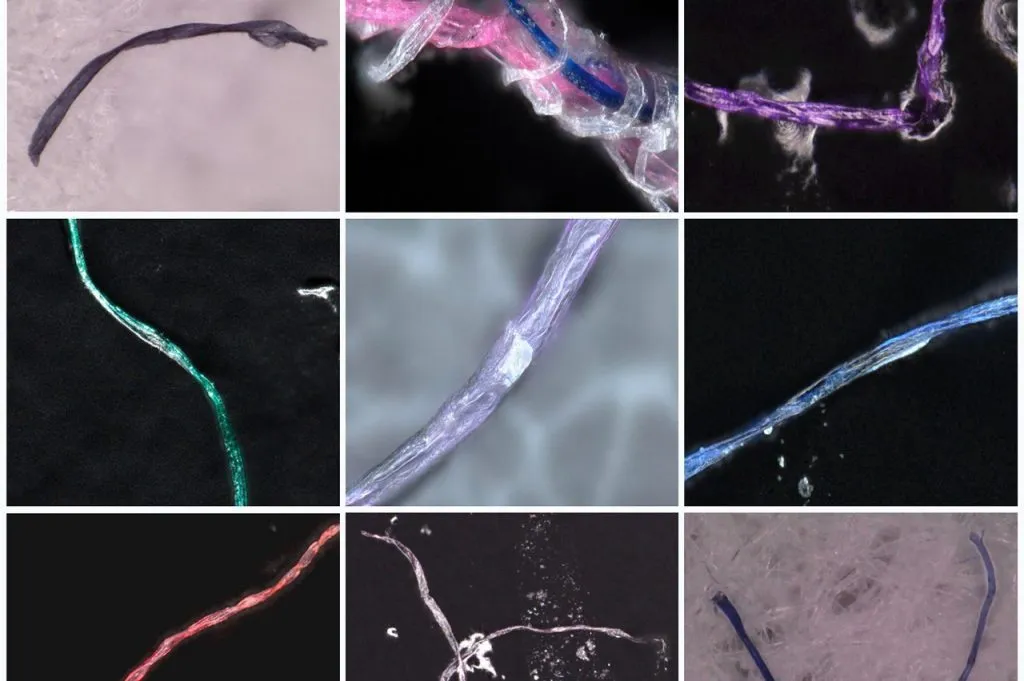
In the vast, bustling waters of the Bay of Bengal (BoB), an insidious threat is lurking—one that’s not just environmental but also a potential hazard to human health. Microplastics, those tiny, often invisible fragments of plastic, are making their way into the marine ecosystem, and a recent study published in the *Chemical Engineering Journal Advances* has shed light on their pervasive presence and potential impacts.
Researchers, led by Md. Abdullah Al Mamun Hridoy from the Faculty of Fisheries at Sylhet Agricultural University in Bangladesh, collected samples from surface water, sediment, and the tissues of green mussels (Perna viridis) across five coastal stations in the BoB. Their findings were stark: microplastics were present in all samples, with surface water containing between 3.13 and 8.94 items per liter, and sediments harboring up to 540 items per kilogram dry weight. The mussels themselves were not spared, with their tissues containing between 2.4 and 4.9 items per gram wet weight.
The study’s lead author, Hridoy, emphasized the significance of these findings: “The presence of microplastics in all environmental matrices and mussel tissues at every site underscores the widespread nature of this pollution. It’s a clear indication that microplastics are a pervasive problem in the Bay of Bengal.”
The research team found that fiber-type microplastics were the most common, with polypropylene and low-density polyethylene being the dominant polymers. The size of the microplastics varied, with smaller particles (<0.5 mm) being most abundant in surface water, while larger particles (1–5 mm) were more common in mussel tissues. The digestive gland of the mussels showed significantly higher accumulation of microplastics than other tissues, indicating a potential hotspot for physiological stress.The health risks associated with microplastic ingestion are a cause for concern. The study's health risk assessment showed that children face higher chronic daily intake and carcinogenic risk than adults. Notably, polypropylene and polyvinyl chloride exceeded acceptable carcinogenic risk thresholds. "These results highlight the urgent need for ongoing monitoring and enhanced waste management strategies," Hridoy stated.For the agriculture sector, particularly those involved in aquaculture and fisheries, these findings are a wake-up call. The presence of microplastics in seafood can have significant commercial implications, affecting both the safety and marketability of products. As consumers become more aware of the potential health risks associated with microplastics, there may be a shift in demand towards microplastic-free or low-microplastic seafood.Moreover, the study's findings could shape future developments in the field of marine environmental monitoring and policy-making. The use of sentinel species like the green mussel could become a standard practice in assessing microplastic pollution, providing valuable data for policymakers and environmental managers.The study also underscores the importance of local anthropogenic activities in influencing microplastic distribution. This site-specific information can guide targeted waste management and pollution control efforts, potentially mitigating the impacts of microplastics on marine ecosystems and human health.As we navigate an increasingly plastic-dependent world, studies like this serve as a stark reminder of the unintended consequences of our actions. They also offer a path forward, highlighting the need for vigilant monitoring, informed policy-making, and sustainable practices to protect our marine environments and ensure the safety of our seafood.