
In the quest to preserve the nutritional value of perishable fruits, researchers have turned to advanced technologies to overcome the limitations of conventional processing methods. A recent study published in *Discover Food* explores the potential of Ultrasonication Assisted Enzymatic Treatment (USEZT) to enhance the extraction of bioactive compounds from Jamun (Syzygium cumini) pulp, a fruit known for its high antioxidant properties but prone to degradation during traditional pasteurization.
The research, led by B. S. Adithya from the Department of Food Technology and Nutrition at Lovely Professional University, addresses a critical challenge in the food processing industry: the thermal degradation of heat-sensitive bioactive compounds during pasteurization. Conventional methods, while effective in eliminating harmful microorganisms, often compromise the nutritional value of the fruit. The study demonstrates that USEZT can significantly improve the retention of phenols, anthocyanins, and other bioactive compounds, thereby enhancing the antioxidant capacity of Jamun pulp.
“Ultrasonication accelerates cell wall breakage, while enzymatic treatment facilitates hydrolysis, promoting the release of bioactive compounds,” explains Adithya. “This synergistic approach not only preserves the nutritional integrity of the fruit but also offers a scalable solution for industrial applications.”
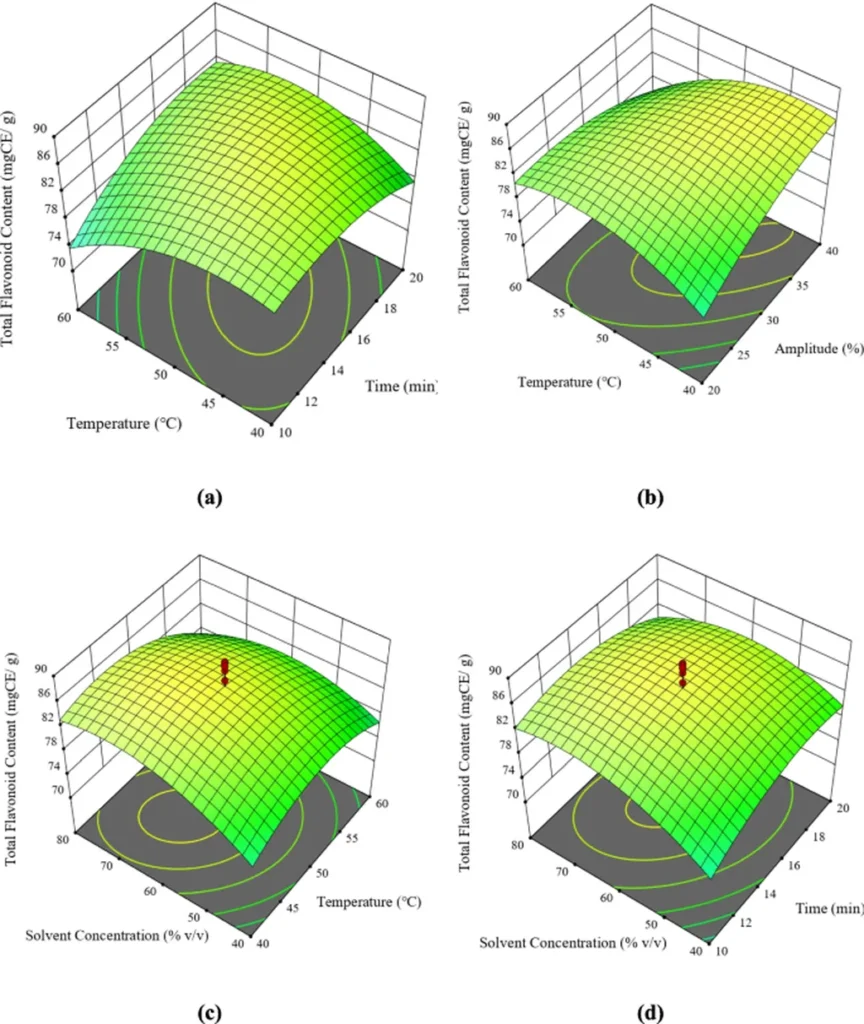
The study employed Response Surface Methodology (RSM) to optimize the treatment conditions, resulting in a model with a high R² value, indicating robust predictive accuracy. The optimized conditions—25 minutes of sonication time, 20% amplitude, 0.45% enzyme concentration, and 60 minutes of incubation—yielded impressive results. The physicochemical analysis revealed a substantial increase in juice yield (75.5%), ascorbic acid (24.91 mg/100 g), titratable acidity (1.38%), total phenolic content (760 mg/100 g), and anthocyanin content (38.57 mg/100 g). Additionally, the treatment enhanced the redness (a*) and color density of the pulp, making it more visually appealing.
The commercial implications of this research are profound. Jamun, a highly perishable and sensitive fruit, has a limited shelf life, which restricts its commercial potential. The USEZT method offers a low-cost, non-thermal alternative that can extend the shelf life and nutritional value of Jamun pulp, making it more viable for industrial processing and commercialization. This innovation could open new avenues for the agriculture sector, particularly in regions where Jamun is abundantly grown.
Moreover, the eco-friendly nature of the method aligns with the growing consumer demand for sustainable and nutrient-rich food products. By preserving the bioactive compounds, the USEZT method supports the development of functional foods that cater to health-conscious consumers.
As the food industry continues to evolve, the integration of advanced technologies like ultrasonication and enzymatic treatment holds promise for enhancing the nutritional quality of various perishable fruits. This research not only paves the way for the industrialization of Jamun pulp but also sets a precedent for similar applications in other fruits, potentially revolutionizing the way we process and consume fresh produce.
The study, published in *Discover Food* and led by B. S. Adithya from the Department of Food Technology and Nutrition at Lovely Professional University, underscores the importance of innovative technologies in addressing the challenges of food processing and preservation. As the agriculture sector looks to the future, such advancements will be crucial in meeting the demands for sustainable, nutrient-rich, and commercially viable food products.