
In a world where dietary choices are increasingly scrutinized for their health impacts, a new study published in *Scientific Reports* offers compelling insights into the potential benefits of vegetable-derived nitrates and nitrites for overweight and obese individuals. The research, led by Amr Ali Mohamed Abdelgawwad El-Sehrawy from the Department of Internal Medicine, Diabetes, Endocrinology and Metabolism at Mansoura University, sheds light on how these compounds might influence cardiovascular and metabolic health.
The study involved 338 Iraqi adults, all classified as overweight or obese, who completed a detailed food frequency questionnaire to assess their intake of nitrates and nitrites from vegetables. The findings were striking: participants with the highest intake of vegetable nitrates showed significantly lower systolic blood pressure compared to those with the lowest intake. Similarly, higher dietary nitrite consumption was associated with lower fasting glucose and total cholesterol levels, as well as increased HDL cholesterol.
“These results suggest that vegetable-derived nitrates and nitrites could play a crucial role in improving cardiovascular and metabolic health,” El-Sehrawy noted. “The potential benefits are particularly relevant for individuals struggling with obesity, a condition that often coexists with hypertension and dyslipidemia.”
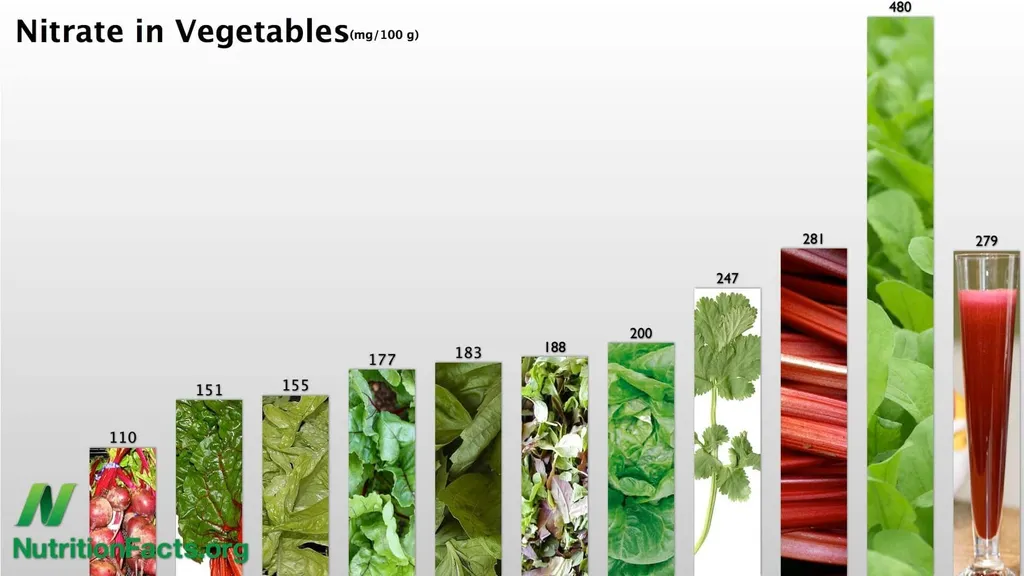
The implications for the agriculture sector are substantial. As consumer demand for health-promoting foods continues to rise, crops rich in nitrates and nitrites—such as leafy greens, beets, and celery—could see a surge in popularity. This presents an opportunity for farmers and agribusinesses to diversify their offerings and cater to a growing market of health-conscious consumers.
Moreover, the study’s findings could influence agricultural research and development. Breeding programs might focus on enhancing nitrate and nitrite content in vegetables, while food scientists could explore innovative ways to incorporate these compounds into functional foods and dietary supplements. “This research opens up new avenues for both the agricultural and food industries,” El-Sehrawy added. “By understanding the metabolic benefits of these compounds, we can develop targeted strategies to improve public health outcomes.”
While the study is cross-sectional and cannot establish causality, it provides a strong foundation for further research. Longitudinal studies and clinical trials will be essential to confirm these findings and elucidate the mechanisms underlying the observed associations. Nonetheless, the results are a promising step forward in the quest to harness the power of plant-based diets for better health.
As the global population grapples with the dual challenges of obesity and chronic disease, this research offers a glimmer of hope. By highlighting the potential of vegetable-derived nitrates and nitrites, it paves the way for innovative dietary strategies that could transform cardiovascular and metabolic health. For the agriculture sector, the message is clear: the future of farming may lie in cultivating crops that not only nourish but also heal.