
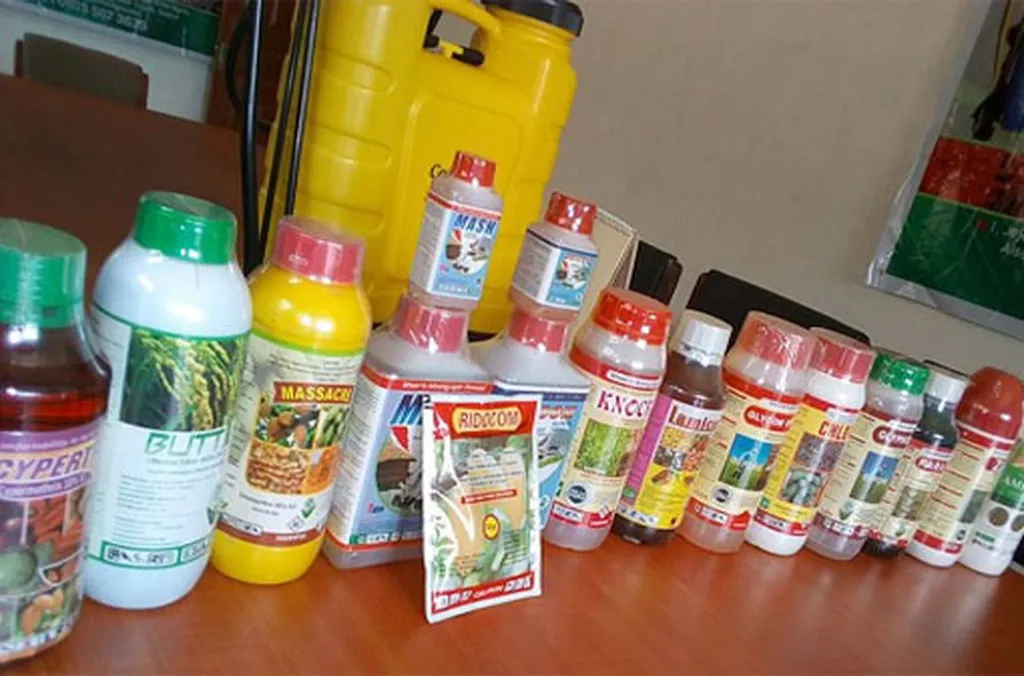
In the quest for sustainable agriculture, researchers have made a significant stride by exploring the potential of beneficial bacteria to enhance plant health and reduce reliance on chemical pesticides. A recent study published in *Acta Agriculturae Serbica* has revealed that specific strains of Bacillus bacteria can modulate stomatal density in parsnips and improve soil health, offering a promising alternative to conventional chemical treatments.
The study, led by Atanasova-Pancevska Natalija from the Ss. Cyril and Methodius University in Skopje, compared the effects of chemical and biological treatments on parsnip plants. The researchers found that foliar applications of Bacillus velezensis strain B-98 and Bacillus amyloliquefaciens strain B-62 significantly increased stomatal density on the lower epidermis of parsnip leaves. Notably, B. amyloliquefaciens strain B-62 exhibited the highest stomatal density, with an impressive 1552 stomata per square millimeter.
Stomatal density is a critical factor in plant physiology, influencing gas exchange and water regulation. Increased stomatal density can enhance a plant’s ability to photosynthesize and respond to environmental stresses, potentially leading to higher yields and improved resilience. “The results suggest that these bacterial strains can be used as effective biopreparations to enhance physiological traits in parsnips,” said Atanasova-Pancevska Natalija, the lead author of the study.
Beyond the immediate benefits to plant health, the study also highlighted the positive impact of these bacterial treatments on soil microbiology. The biological treatments increased the populations of beneficial soil microorganisms, including nitrogen-fixing and cellulolytic bacteria. These microorganisms play crucial roles in nutrient cycling and soil health, contributing to long-term sustainability in agricultural systems.
The commercial implications of this research are substantial. As the agricultural sector increasingly shifts towards sustainable practices, the demand for effective biological alternatives to chemical pesticides is growing. The identification of Bacillus strains that can enhance plant health and soil quality offers a valuable tool for farmers looking to reduce their environmental footprint while maintaining productivity.
“This study provides a strong foundation for further research into the use of beneficial bacteria in agriculture,” said Atanasova-Pancevska Natalija. “The potential to develop commercial biopreparations based on these strains could revolutionize sustainable horticulture.”
The findings also open up new avenues for exploring the interactions between plants and beneficial microorganisms. Understanding these relationships can lead to the development of more targeted and effective biological treatments, tailored to specific crops and growing conditions.
As the agricultural industry continues to evolve, the integration of biological solutions into mainstream farming practices will be crucial. The research published in *Acta Agriculturae Serbica* not only highlights the potential of Bacillus strains in enhancing parsnip production but also sets the stage for broader applications in sustainable agriculture. By harnessing the power of beneficial bacteria, farmers can achieve healthier crops, improved soil health, and a more sustainable future for the industry.