
In the heart of agricultural innovation, a groundbreaking study has shed light on the intricate world of codon usage bias in the chloroplast and mitochondrial genomes of Camellia sinensis cv. ‘Baihaozao’, a cultivar prized for its economic value in the tea industry. Published in the journal ‘Chaye kexue’, this research, led by Zeng Wenjuan and a team of scientists from the College of Agriculture and Biotechnology at Hunan University of Humanities, Science and Technology, offers a nuanced understanding of the evolutionary drivers behind gene expression regulation in plant organelle genomes.
Codon usage bias, a critical mechanism in gene expression and molecular evolution, has long been a subject of scientific intrigue. The study systematically analyzed the codon usage patterns in the chloroplast (52 genes) and mitochondrial (29 genes) genomes of ‘Baihaozao’. The findings reveal that the chloroplast genome exhibits a significantly lower average effective codon number (ENC=44.57±4.59) compared to the mitochondrial genome (ENC=51.87±5.31), both showing weak preference characteristics. This discrepancy suggests different evolutionary constraints and regulatory mechanisms at play.
“Natural selection is the primary driver behind the codon usage bias in the chloroplast genome, while the mitochondrial genome is influenced by both natural selection and mutational pressure,” explained Zeng Wenjuan, the lead author of the study. This insight aligns with the evolutionary patterns observed in the organelle genomes of dicotyledons, providing a deeper understanding of the genetic underpinnings of plant evolution.
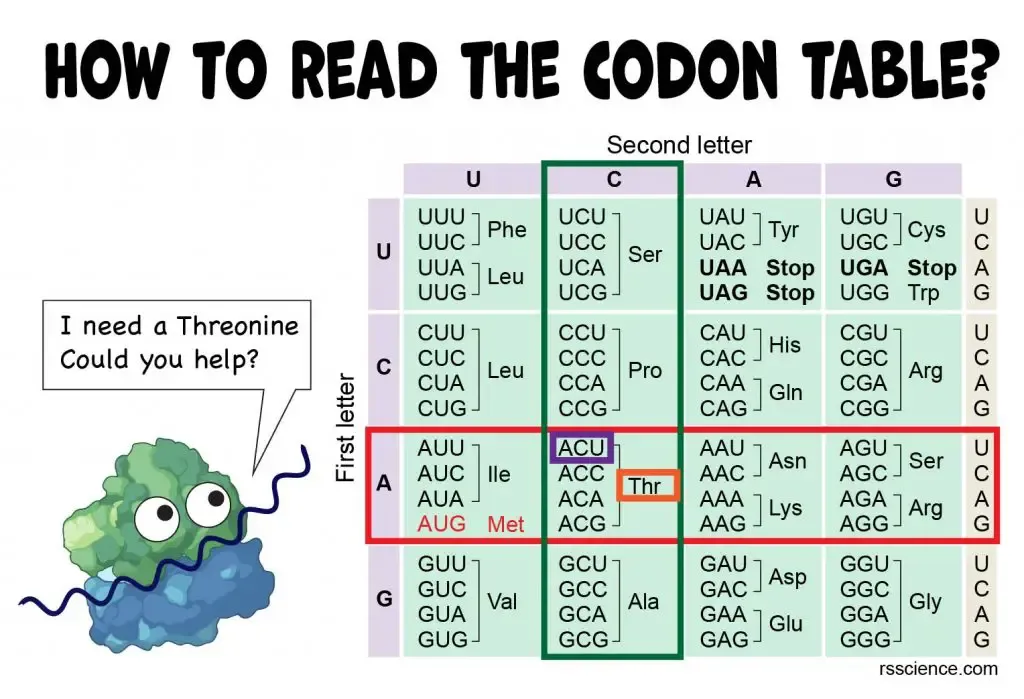
The Relative Synonymous Codon Usage (RSCU) analysis further uncovered that both organelle genomes have a marked preference for synonymous codons ending in A/U. Notably, high-expression chloroplast genes like ndhA and rps14 showed a stronger preference for A/U terminal codons, indicating that translational selection optimizes highly expressed genes. This finding has significant implications for molecular tea breeding, as it paves the way for the adaptive optimization of exogenous genes.
Through multivariate statistical screening, the researchers identified 18 optimal codons for the chloroplast genome and 18 for the mitochondrial genome. Interestingly, GCA was favored in both organelle types, reflecting the adaptive convergence of functional genes across organelles. “This study provides a theoretical basis for the construction of cross-organelle expression regulatory networks in molecular tea breeding,” said Zeng Wenjuan.
The commercial impacts of this research are profound. By understanding the codon usage bias and its evolutionary drivers, agricultural scientists can enhance the expression of desirable traits in tea plants, leading to improved yields and quality. This knowledge can also be applied to other economically important crops, driving innovation in the agriculture sector.
The study, conducted by Zeng Wenjuan, Liu Shan, Wen Cong, Zhang Qixiang, Huang Jing, Gong Yihui, and Chen Zhiyin, represents a significant step forward in the field of agrigenomics. As we continue to unravel the complexities of plant genomes, the potential for agricultural advancements grows exponentially. This research not only enriches our understanding of the genetic mechanisms in tea plants but also opens new avenues for molecular breeding and genetic engineering in agriculture.