
In the heart of every thriving ecosystem lies a complex, often overlooked world: the soil and its microscopic inhabitants. A recent study published in *AIMS Microbiology* sheds light on the intricate dance between plants and microorganisms, offering promising avenues for sustainable agriculture. The research, led by Mohamed Hnini, delves into the roles of soil, the rhizosphere, and the mechanisms that govern plant-microorganism interactions, with significant implications for the agriculture sector.
Soil, the Earth’s upper crust, is a dynamic matrix of minerals, organic matter, and biological components that dictate its fertility and functionality. Human-induced degradation has necessitated advancements in soil conservation and our understanding of soil ecology. The rhizosphere, the region surrounding plant roots, is a hotspot for microbial diversity, particularly bacteria that enhance plant growth and disease resistance.
“Root exudates fuel biological activity and nutrient cycling, supporting microbial growth, improving soil structure, and reducing plant stress,” Hnini explains. These exudates, secreted by plant roots, create a fertile ground for microorganisms, fostering a symbiotic relationship that benefits both parties.
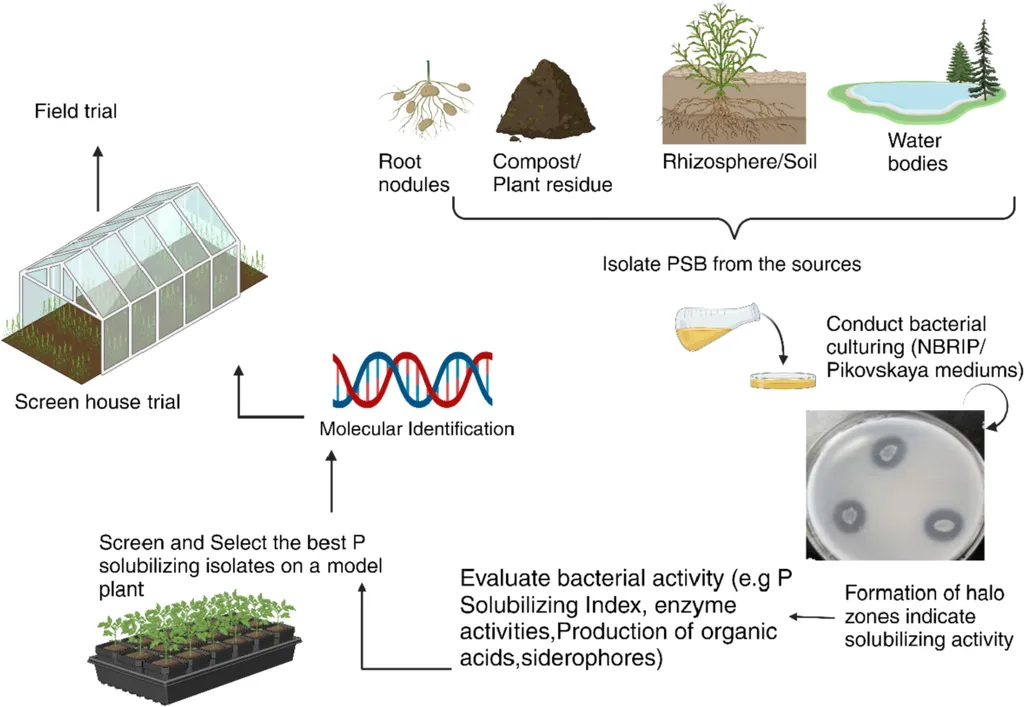
The study highlights the pivotal roles of arbuscular mycorrhizae and nitrogen-fixing bacteria in plant development, sustainability, and ecosystem health. Specific bacterial phyla populate the rhizosphere and endosphere, with Plant Growth-Promoting Rhizobacteria (PGPR) like Pseudomonas spp. and Bacillus spp. playing a prominent role. PGPR employ direct and indirect mechanisms, including phytohormone production, mineral solubilization, systemic resistance induction, antibiosis, competition for resources, and ACC deaminase activity.
The amalgamation of these traits underscores the conceptual foundation for comprehending the ecological and agricultural implications of employing microbes. This is particularly relevant to sustainable agriculture, where the use of microbes, including PGPR, plays a crucial role in biofertilization and mitigating environmental stressors.
The research suggests that investigating these interactions through multi-omics approaches—genomics, transcriptomics, proteomics, and metabolomics—offers valuable insights. The integration of these multi-omics data provides a comprehensive framework for understanding the complex interactions between plants, bacteria, and fungi.
“This holistic perspective not only deepens our understanding of soil ecology but also lays the groundwork for informed and sustainable agricultural practices, fostering resilience against environmental stresses,” Hnini notes.
The commercial impacts of this research are substantial. By harnessing the power of beneficial microorganisms, farmers can reduce their reliance on chemical fertilizers and pesticides, leading to more sustainable and cost-effective agricultural practices. The use of PGPR and other beneficial microbes can enhance crop yields, improve soil health, and mitigate the effects of environmental stressors, ultimately contributing to food security and environmental conservation.
As we face the challenges of a changing climate and growing population, understanding and leveraging these plant-microorganism interactions will be crucial. The insights gained from this research could shape future developments in agriculture, paving the way for more resilient and sustainable farming practices. With the integration of multi-omics approaches, we are poised to unlock the full potential of these interactions, benefiting both the environment and the agriculture sector.
The study, led by Mohamed Hnini and published in *AIMS Microbiology*, offers a glimpse into the intricate world of soil ecology and the promising role of microorganisms in sustainable agriculture. As we continue to explore these interactions, the future of farming looks increasingly green and resilient.