
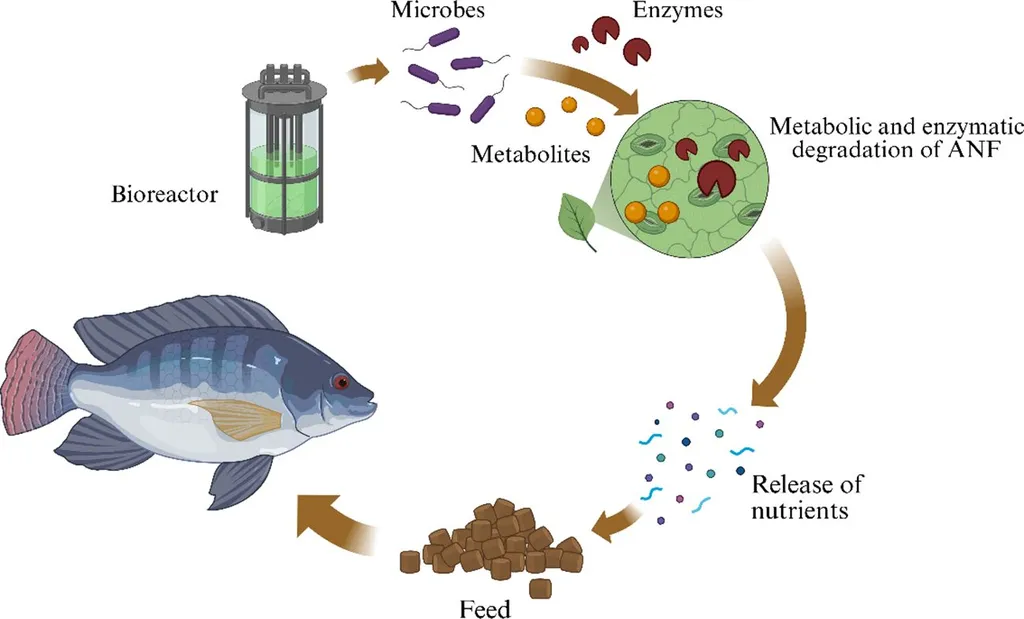
In a significant stride towards sustainable aquaculture, researchers have demonstrated that hydrolyzed cottonseed meal can serve as a viable alternative to soybean meal in feeds for grass carp, a commercially important fish species. The study, published in *Animal Nutrition*, reveals that various processing techniques can enhance the nutritional and functional properties of cottonseed meal, with hydrolysis emerging as the most effective method.
Cottonseed meal, a byproduct of cotton processing, has long been undervalued due to its anti-nutritional factors. However, this research, led by Yong Shi from the Fisheries College at Hunan Agricultural University and the State Key Laboratory of Breeding Biotechnology and Sustainable Aquaculture, shows that reprocessing can unlock its potential. “Hydrolysis markedly improved the nutritional and functional properties of cottonseed meal,” Shi notes, highlighting the method’s ability to enhance growth performance, muscle quality, and intestinal health in grass carp.
The study involved feeding juvenile grass carp with diets containing unprocessed or reprocessed cottonseed meal, including hydrolyzed, concentrated, roasted, and fermented varieties. The results were striking: fish fed hydrolyzed cottonseed meal exhibited improved growth, enhanced digestive enzyme activities, and elevated muscle free amino acid levels. Moreover, hydrolyzed cottonseed meal diets significantly upregulated intestinal antioxidant genes and reduced inflammatory markers, suggesting a robust improvement in overall fish health.
The implications for the agriculture and aquaculture sectors are profound. With the global demand for soybean meal skyrocketing, the need for sustainable and cost-effective alternatives has never been greater. Cottonseed meal, abundant and often underutilized, could fill this gap. “This research underscores the potential of cottonseed meal as a viable and sustainable protein source for aquaculture feeds,” Shi explains, pointing to the study’s broader implications for the industry.
The study also shed light on the intestinal microbiota of grass carp, revealing that hydrolyzed cottonseed meal diets reversed the negative impacts of unprocessed cottonseed meal. These diets increased the abundance of beneficial bacteria such as Akkermansia and Fusibacter, while reducing potential pathogens like Aeromonas. This modulation of gut microbiota is crucial for maintaining fish health and optimizing growth performance.
As the aquaculture industry continues to grow, the need for innovative and sustainable feed solutions becomes ever more critical. This research not only highlights the potential of hydrolyzed cottonseed meal but also paves the way for further exploration of reprocessing techniques in aquaculture feeds. By leveraging such advancements, the industry can move towards more sustainable and economically viable practices, benefiting both producers and consumers alike.
The study, published in *Animal Nutrition*, was led by Yong Shi from the Fisheries College at Hunan Agricultural University and the State Key Laboratory of Breeding Biotechnology and Sustainable Aquaculture, offering a promising glimpse into the future of aquaculture feed development.