
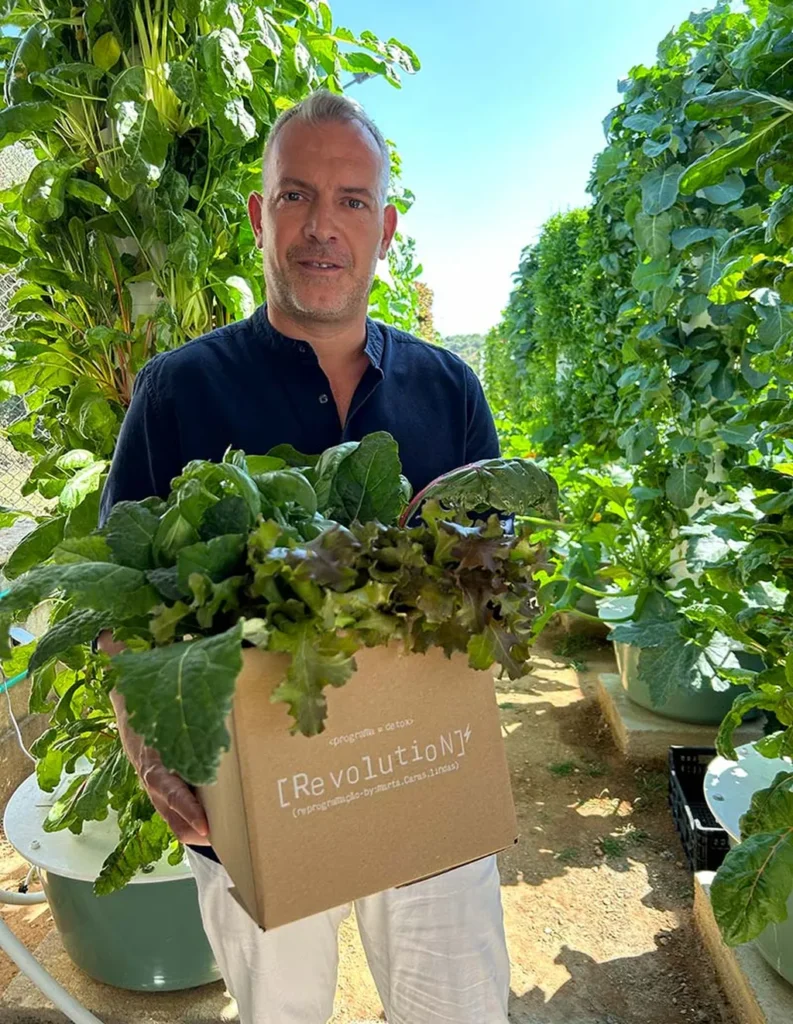
In the heart of Portugal, a quiet revolution is taking root, one that promises to reshape the future of urban food production. Researchers at the National Institute for Agricultural and Veterinary Research (INIAV, I.P.) in Vila do Conde are delving deep into the world of vertical farming, exploring new trends, products, and production approaches that could very well redefine the agricultural landscape. Their findings, published in the journal *Frontiers in Sustainable Food Systems*, offer a glimpse into a future where food is grown upwards, not outwards, with significant implications for the commercial agriculture sector.
Vertical farming, a subset of controlled environment agriculture, is gaining traction as a sustainable solution to urban food production. By stacking crops in vertically inclined surfaces, this innovative approach aims to optimize space, water, and energy usage. The research led by José Pinela at INIAV is shedding light on the nuances of this farming method, particularly focusing on the role of artificial lighting and its impact on postharvest quality.
One of the key aspects of vertical farming is the use of artificial lighting to mimic the natural sunlight. This is crucial for the growth and development of crops, especially in urban environments where natural light is often limited. “Artificial lighting is a game-changer in vertical farming,” says Pinela. “It allows us to control the light spectrum, intensity, and duration, which can significantly enhance crop yield and quality.”
The research also delves into the production of microgreens, a popular product in vertical farming. Microgreens are young vegetable greens harvested just after the first true leaves have developed. They are known for their intense flavor, vibrant colors, and high nutritional value. Pinela’s team is exploring how different lighting conditions can influence the growth and quality of microgreens, providing valuable insights for commercial growers.
The commercial impacts of this research are substantial. As urbanization continues to rise, the demand for locally grown, fresh produce is also increasing. Vertical farming offers a viable solution to meet this demand, especially in space-constrained urban areas. By optimizing the use of artificial lighting, commercial growers can enhance crop yield and quality, making vertical farming a more profitable venture.
Moreover, the research highlights the potential of vertical farming to reduce the environmental footprint of agriculture. By growing food closer to the point of consumption, vertical farming can significantly reduce the carbon emissions associated with food transportation. It also offers the potential to conserve water and energy, making it a more sustainable option compared to traditional farming methods.
The findings of this research are not just relevant to the agriculture sector but also to policymakers and urban planners. As cities continue to expand, integrating vertical farming into urban landscapes can help create more sustainable and resilient food systems. It can also contribute to food security, ensuring that urban populations have access to fresh, nutritious food.
Looking ahead, the research by Pinela and his team at INIAV could shape the future of vertical farming. By providing a deeper understanding of the role of artificial lighting and its impact on crop yield and quality, the research offers valuable insights for commercial growers and researchers alike. It paves the way for further innovation in this field, potentially leading to the development of more efficient and sustainable vertical farming systems.
In the words of Pinela, “Vertical farming is not just a trend; it’s a necessity. As our cities grow, so does the need for sustainable and efficient food production systems. Our research is a step towards making vertical farming a viable and profitable option for commercial growers.”
As we stand on the brink of a new agricultural revolution, the work of Pinela and his team serves as a beacon, guiding us towards a future where food is grown not just on the land, but also in the heart of our cities. This is not just about growing food upwards; it’s about growing a sustainable future for all.