
In the quest to enhance the shelf life and efficacy of probiotic lactic acid bacteria, researchers have made a significant stride. A recent study published in *Shipin Kexue* explores how stress treatment and the addition of trehalose can bolster the resilience of these beneficial bacteria during the spray drying process. This method, widely used in the food and pharmaceutical industries, often subjects lactic acid bacteria to harsh conditions like high temperatures and dehydration, which can compromise their viability.
The research, led by REN Wenrong and WANG Junguo from the Key Laboratory of Dairy Biotechnology and Engineering at Inner Mongolia Agricultural University, delves into the protective mechanisms triggered by stress treatment and the stabilizing effects of trehalose. “Stress treatment can activate the bacteria’s natural defense mechanisms, making them more tolerant to the rigors of spray drying,” explains REN Wenrong. This preemptive conditioning primes the bacteria to better withstand the adverse conditions encountered during the drying process.
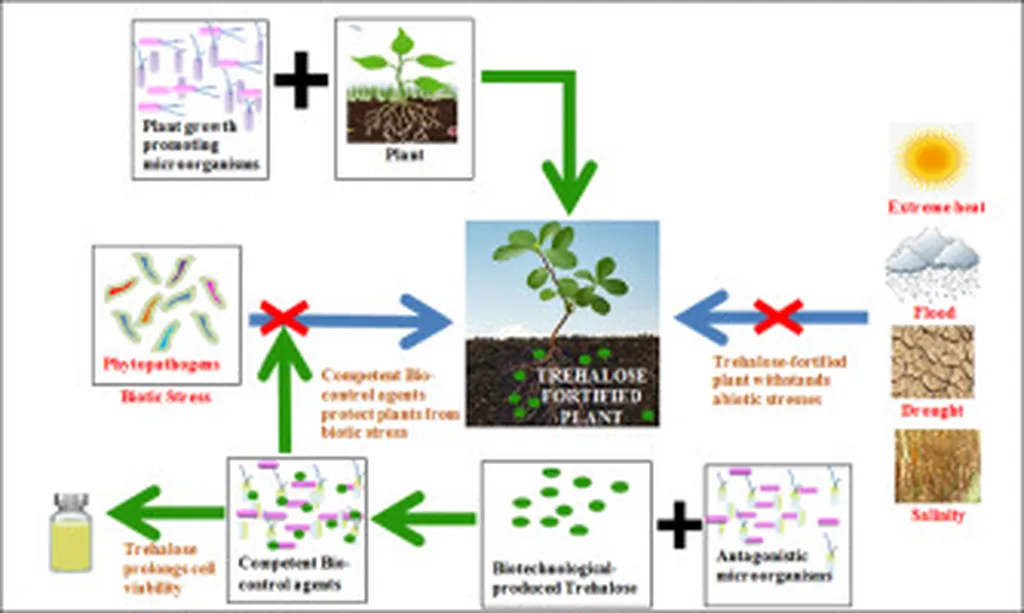
Trehalose, a natural disaccharide, plays a crucial role in preserving the structural integrity of bacterial cells. “Trehalose acts as a stabilizer, protecting the cell membrane and preserving protein integrity,” adds WANG Junguo. The study highlights that combining stress treatment with exogenous trehalose addition can significantly enhance the survival rate of lactic acid bacteria during spray drying. This synergistic effect not only improves the quality of the final product but also holds promise for reducing production costs and waste in the agriculture and food industries.
The implications of this research are far-reaching. For the agriculture sector, the ability to produce highly active lactic acid bacterial powders could revolutionize the probiotic market. Farmers and food manufacturers could benefit from more robust and effective probiotic strains, leading to improved food products and enhanced animal feed supplements. Moreover, the findings lay a theoretical foundation for future innovations in biotechnology, paving the way for more efficient and sustainable production methods.
As the demand for health-conscious food products continues to grow, this research offers a glimpse into the future of probiotic technology. By leveraging the protective power of stress treatment and trehalose, the agriculture sector can look forward to more resilient and effective probiotic solutions, ultimately benefiting both producers and consumers alike.