
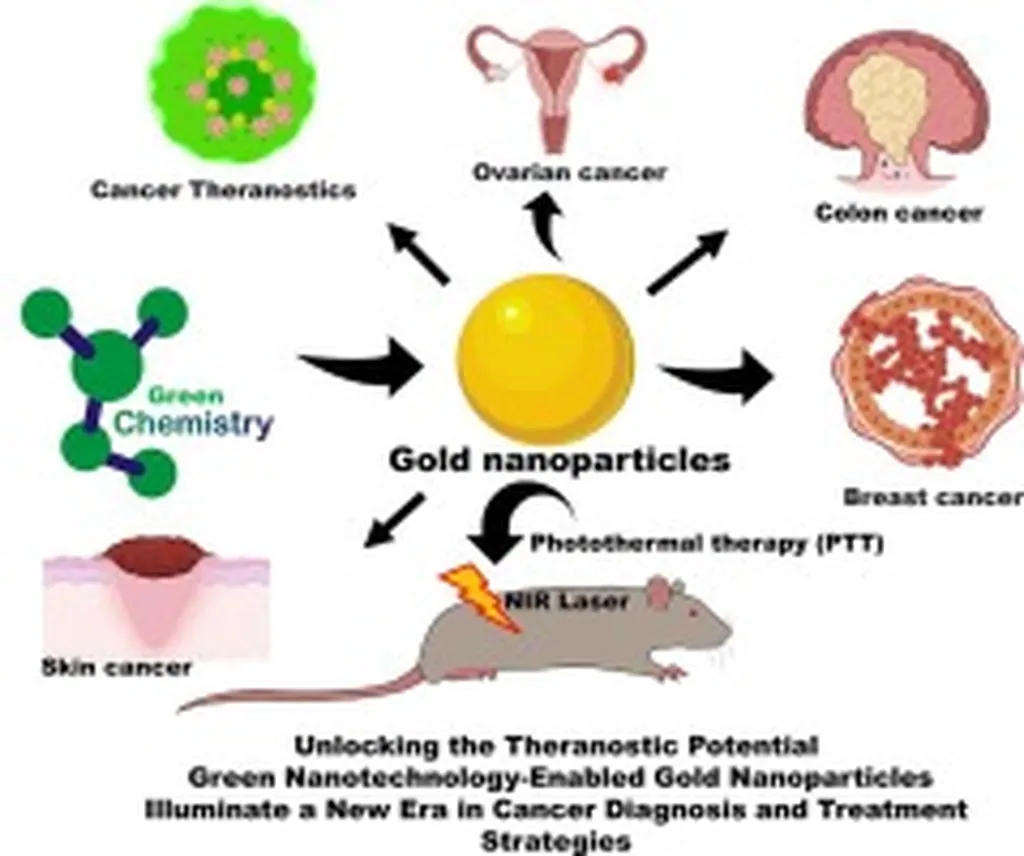
In the quest for innovative cancer treatments, a novel approach is emerging from an unlikely source: plants. Researchers have been exploring the potential of silver nanoparticles (AgNPs) synthesized using plant extracts to combat oral cancer, offering a sustainable and effective alternative to conventional therapies. This groundbreaking work, led by Ranil Vikraman Kumarasamy from the Department of Biochemistry at Bharathidasan University in India, was recently published in *Frontiers in Nanotechnology*.
The study highlights the limitations of traditional cancer treatments, such as toxicity and drug resistance, which have spurred the search for new therapeutic strategies. AgNPs have garnered attention for their unique physicochemical properties, which enable antimicrobial, anti-inflammatory, and tumor-suppressive activities. Unlike conventional methods that rely on chemical or physical synthesis, the green synthesis of AgNPs using plant extracts provides an eco-friendly and sustainable approach. This method harnesses the natural reducing and stabilizing compounds found in botanical extracts, making it a promising avenue for developing novel cancer therapies.
“Plant-mediated green synthesis offers a sustainable and ecologically sound alternative,” Kumarasamy explained. “By leveraging the natural compounds in plant extracts, we can produce AgNPs that are not only effective but also environmentally friendly.”
The review delves into the latest advancements in the green synthesis of AgNPs using various plant sources and their potential applications in oral cancer treatment. It evaluates the cytotoxic effects of these biogenic nanoparticles on oral cancer cell models, shedding light on molecular pathways such as oxidative stress induction, apoptosis activation, and the inhibition of proliferative signaling. The study also explores the clinical implications of these findings, emphasizing the need to balance therapeutic efficacy with biocompatibility in normal cells.
One of the most exciting aspects of this research is its potential impact on the agriculture sector. The use of plant extracts for synthesizing AgNPs not only provides a sustainable method for producing these nanoparticles but also creates new opportunities for agricultural byproducts. Farmers and agribusinesses could potentially repurpose plant waste into valuable biomedical products, adding a new revenue stream and promoting circular economy practices.
“AgNPs synthesized from plant extracts could revolutionize the way we approach oral cancer therapy,” Kumarasamy noted. “This research opens up new possibilities for targeted treatments that are both effective and sustainable.”
However, challenges remain. Scalability, standardization, and long-term safety are critical areas that need to be addressed before these biogenic nanoparticles can be translated into clinical practice. Despite these hurdles, the study offers a comprehensive overview of the current state of research and aims to inspire further innovation in nature-driven strategies for enhancing oral oncology outcomes.
As the field of nanomedicine continues to evolve, the integration of plant-based synthesis methods could pave the way for more sustainable and effective cancer treatments. This research not only highlights the potential of AgNPs in oral cancer therapy but also underscores the broader implications for agriculture and environmental sustainability. By embracing these innovative approaches, we can move closer to achieving better health outcomes while minimizing our environmental footprint.