
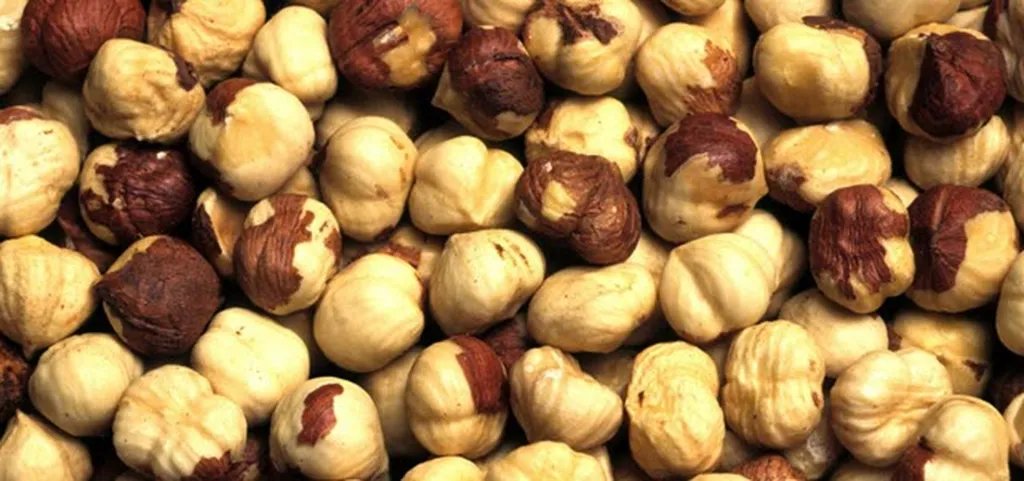
In the verdant orchards of Iran’s Gilan province, a fascinating study has uncovered how the altitude at which hazelnuts are grown can significantly influence their nutritional profile, with potential implications for the agriculture sector. The research, published in *BMC Plant Biology*, reveals that the altitude at which hazelnuts are cultivated can alter their fatty acid composition, antioxidant capacity, and flavonoid and phenolic content.
Navid Rezvanjo, lead author of the study from the Department of Horticultural Sciences at the University of Mohaghegh Ardabili, and his team collected samples from eight hazelnut cultivars grown at low (0–500 meters), mid (500–1000 meters), and high (>1000 meters) altitudes. Their findings suggest that as altitude increases, the antioxidant capacity and phenolic content of hazelnuts tend to decrease. However, the flavonoid content showed a more fluctuating trend, with the Round cultivar exhibiting the highest flavonoid content at mid altitudes.
The study also delved into the fatty acid profiles of the hazelnuts. At higher altitudes, there was an increase in the biosynthesis of unsaturated fatty acids, such as oleic and linoleic acid. Conversely, at lower altitudes, the concentration of saturated fatty acids, including palmitic, behenic, and stearic acids, was higher. This shift in fatty acid composition could have significant implications for the food industry, as the ratio of unsaturated to saturated fats is a key factor in determining the nutritional quality of hazelnuts.
“Our findings highlight the importance of considering both the cultivar type and the altitude at which hazelnuts are grown to optimize their nutritional quality,” Rezvanjo said. “This could be valuable information for producers, breeders, and the food industry, as they strive to meet the growing demand for high-quality, nutritious hazelnuts.”
The study also found that the production of certain fatty acids, such as palmitoleic acid, was induced at low altitudes, while others, like tetracosanoic and pentadecanoic acids, were produced more at high altitudes. The biosynthesis of oxirane octanoic acid was enhanced under all three altitude conditions.
These results underscore the complex interplay between environmental factors and genetic traits in shaping the quality of hazelnuts. As the global demand for hazelnuts continues to rise, driven by their use in confectionery, cosmetics, and pharmaceuticals, this research could help guide cultivation practices to meet market needs.
The study’s use of principal component analysis (PCA) and heatmap analysis to segregate cultivars into distinct groups based on their biochemical and fatty acid profiles further emphasizes the potential for targeted breeding and cultivation strategies. By understanding how different cultivars respond to varying altitudes, producers can make informed decisions to enhance the nutritional value of their hazelnut crops.
As the agriculture sector continues to evolve, research like this serves as a reminder of the intricate relationship between our crops and their environment. By harnessing this knowledge, we can pave the way for more sustainable and nutritious food production.