
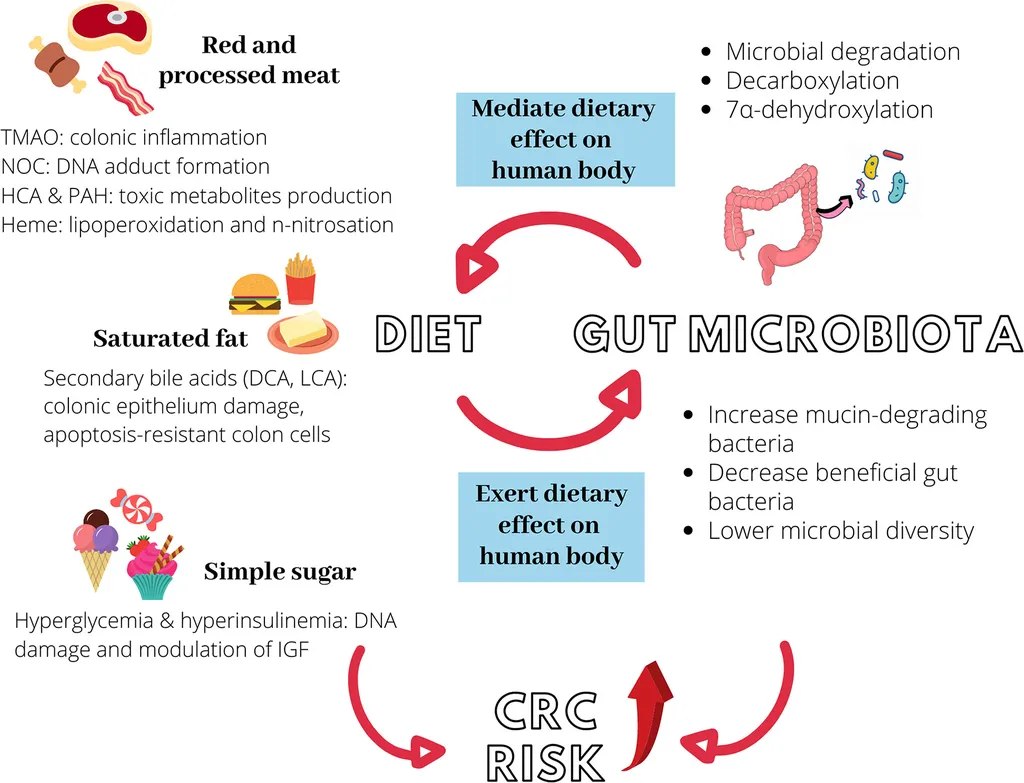
In a groundbreaking study published in *Scientific Reports*, researchers have uncovered compelling evidence that different dietary patterns can significantly influence biomarkers associated with colorectal cancer (CRC) risk. The 12-week randomized trial, led by Monica Dinu from the Department of Experimental and Clinical Medicine at the University of Florence, compared the effects of three distinct diets: a meat-based diet (MBD), a meat-based diet supplemented with α-tocopherol (MBD-T), and a pesco-vegetarian diet (PVD).
The study, which involved 113 healthy adults, found that the meat-based diet increased fecal water genotoxicity by nearly 16%, a stark contrast to the other two diets, which showed no significant changes. “The increase in fecal water genotoxicity after the meat-based diet suggests that high meat consumption may drive oxidative and genotoxic processes linked to colorectal cancer,” Dinu explained. This finding underscores the potential risks associated with diets high in red and processed meats, which have long been suspected to contribute to CRC development.
Interestingly, the addition of α-tocopherol, a form of vitamin E known for its antioxidant properties, to the meat-based diet attenuated some of these adverse effects. While the MBD-T group did not see the same spike in genotoxicity as the MBD group, it still showed increased levels of lipid peroxidation markers compared to the pesco-vegetarian diet. “α-tocopherol supplementation seems to mitigate some of the oxidative stress induced by a meat-heavy diet, but it doesn’t completely eliminate the risk,” Dinu noted.
The pesco-vegetarian diet, which includes fish but excludes other meats, emerged as the most favorable option. Participants on this diet experienced a more beneficial biochemical and inflammatory profile, with significant reductions in inflammatory markers like IL-8, TNF-α, and ICAM. This suggests that a diet rich in plant-based foods and fish may offer protective effects against colorectal cancer.
The implications of this research are profound for both public health and the agriculture sector. As consumers increasingly seek out healthier and more sustainable dietary options, the demand for plant-based and pesco-vegetarian products is likely to rise. This shift could drive innovation in agricultural practices, with a greater emphasis on producing high-quality plant proteins and sustainable seafood.
Moreover, the study highlights the potential for targeted nutritional interventions to mitigate the risks associated with certain dietary patterns. “Understanding how specific nutrients interact with our bodies can help us develop more effective dietary guidelines and personalized nutrition strategies,” Dinu said. This could open up new avenues for agritech companies to develop fortified foods and supplements that enhance the health benefits of different diets.
The findings also suggest that the agriculture sector may need to adapt to meet the growing demand for healthier food options. Farmers and food producers could benefit from investing in crops and livestock that support the production of plant-based proteins and sustainable seafood. This transition could not only improve public health outcomes but also create new economic opportunities within the industry.
In conclusion, this study provides valuable insights into how diet can influence colorectal cancer risk and offers a roadmap for future research and agricultural innovation. As the global population becomes more health-conscious, the findings from this study could shape the future of food production and consumption, ultimately contributing to a healthier and more sustainable world.