
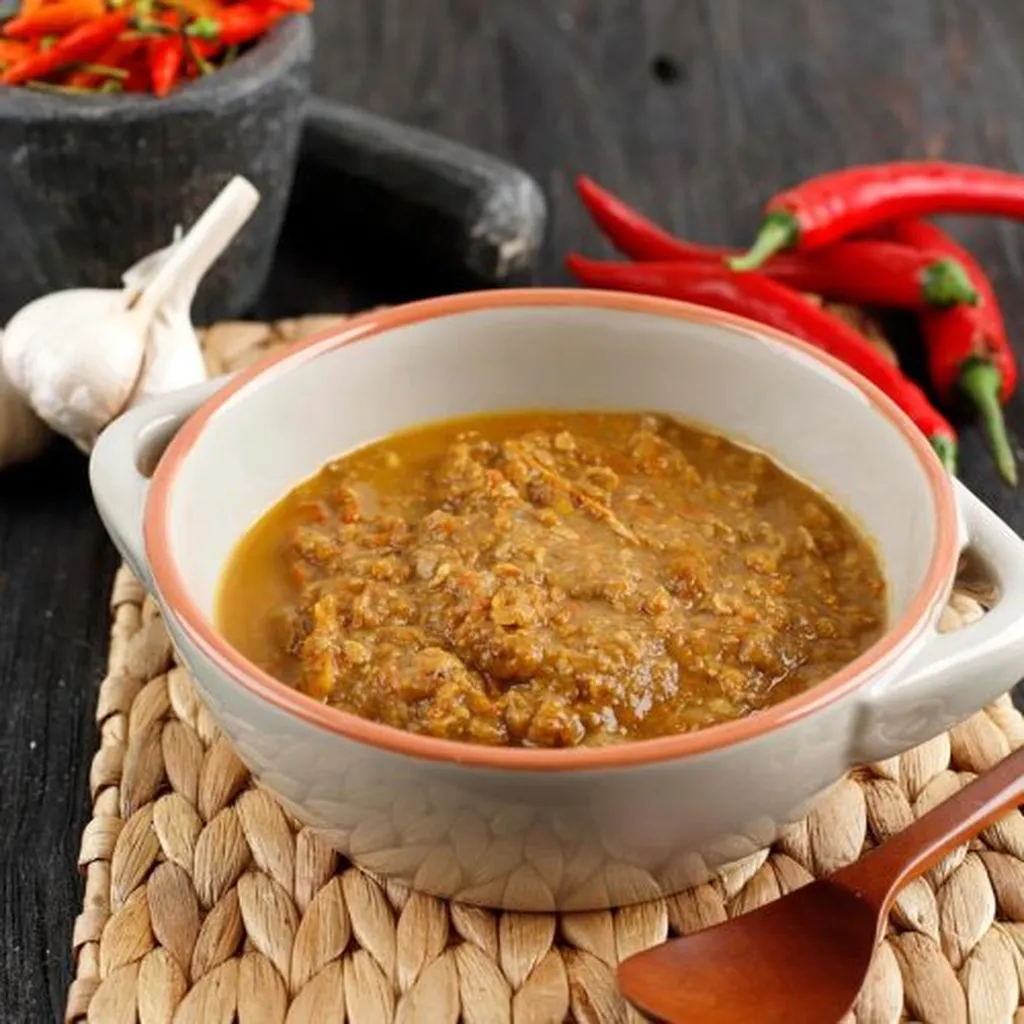
In the heart of Central Java, a traditional condiment has been quietly fermenting its way into the culinary consciousness, and now, science is taking notice. Sambal Tumpang, known locally as tumpang koyor, is a pungent paste made from over-fermented tempeh, chillies, coconut milk, and spices. This humble condiment, deeply rooted in Javanese culture, has recently been the subject of a comprehensive study published in *Discover Food*, led by Dyah Wulandari from the Department of Food Technology at Soegijapranata Catholic University. The research not only sheds light on the nutritional and sensory aspects of Sambal Tumpang but also highlights its potential to drive innovation in the agriculture sector.
Sambal Tumpang is a testament to the Javanese tradition of valorising over-fermented tempeh, a practice that transforms what might otherwise be discarded into a prized culinary ingredient. The study analysed four locally available samples, revealing a wide range of nutrient profiles. Protein content varied significantly, from 3.38% to 6.60%, while water content ranged from 78.73% to 88.95%. These variations stem from differences in ingredients and preparation methods, underscoring the artisanal nature of the condiment.
“Sambal Tumpang is more than just a condiment; it’s a cultural artefact,” says lead author Dyah Wulandari. “It embodies the Javanese philosophy of sustainability and resourcefulness, turning something that might be considered waste into a delicious and nutritious food.”
The sensory evaluation revealed that consumer preferences were heavily influenced by texture and spiciness, indicating a diverse palate among enthusiasts. However, the study also identified hygiene concerns, with microbial testing detecting E. coli and coliforms in several samples. This finding underscores the need for improved food safety practices in small-scale production, a challenge that could be addressed through targeted interventions and education.
Beyond its nutritional and culinary value, Sambal Tumpang holds potential as a functional food and a tool for gastrodiplomacy. The study suggests that this traditional condiment could be leveraged to promote cultural exchange and economic development. “By preserving and innovating traditional foods like Sambal Tumpang, we can ensure cultural continuity while addressing contemporary concerns regarding food safety and marketability,” Wulandari explains.
The commercial impacts of this research are significant for the agriculture sector. The valorisation of over-fermented tempeh presents an opportunity to reduce food waste and create new revenue streams. Moreover, the study’s findings could inspire the development of new products and the expansion of existing markets, both domestically and internationally.
As the world increasingly turns to traditional foods for inspiration and innovation, Sambal Tumpang stands out as a beacon of culinary heritage and sustainability. The research published in *Discover Food* not only celebrates this traditional condiment but also paves the way for its future development, ensuring that it continues to be a source of pride and nourishment for generations to come.