
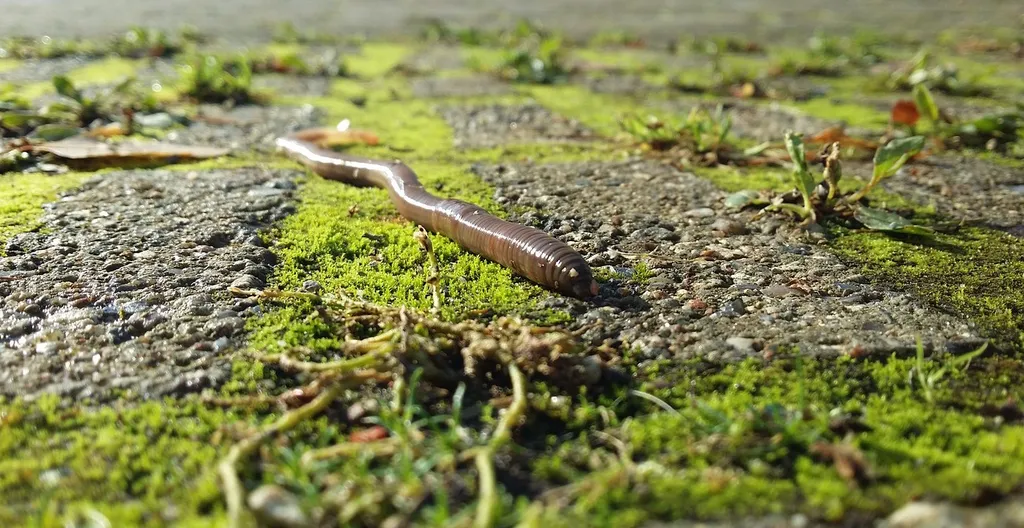
In the quest for sustainable agriculture, scientists have long sought eco-friendly strategies to combat soil-borne pathogens that plague crops like strawberries. A recent study published in *Ecotoxicology and Environmental Safety* sheds light on an unexpected ally: earthworms. The research, led by Xingyue Wang from Anhui Agricultural University, reveals that earthworms can significantly reduce the accumulation of harmful fungi in strawberry plants by altering the gut microbiome and soil composition.
The study focused on two common strawberry pathogens, *Fusarium oxysporum* and *Alternaria alstroemeriae*, which can cause substantial economic losses for farmers. By introducing earthworms into the soil, the researchers observed a notable shift in the microbial communities within the drilosphere—the soil influenced by earthworm activity. “Earthworms effectively restructure the microbial landscape, promoting beneficial bacteria like *Pseudomonas* and *Bacillus* while suppressing pathogenic fungi,” Wang explained.
The findings highlight a multifaceted mechanism. Earthworms not only alter the soil’s physicochemical properties but also enhance the diversity and niche breadth of the fungal community in their gut. This, in turn, reduces the relative abundance of potentially harmful fungi. The study also revealed that earthworms activate metabolic pathways in strawberries that bolster their immune response, mitigating excessive reactions that could harm the plant.
The commercial implications of this research are profound. Strawberry cultivation, a multi-billion-dollar industry, often relies on chemical pesticides to control soil-borne diseases. These chemicals can have detrimental environmental impacts and contribute to pesticide resistance. The use of earthworms offers a sustainable alternative, potentially reducing the need for chemical interventions and promoting healthier soil ecosystems.
“This research provides a novel paradigm for pest management in strawberry cultivation,” Wang noted. “By leveraging the natural interactions between earthworms and soil microbes, we can develop more sustainable and effective strategies for disease control.”
The study’s findings could pave the way for innovative agricultural practices that harness the power of earthworms to enhance crop health and productivity. As the agricultural sector continues to seek eco-friendly solutions, this research offers a promising avenue for reducing reliance on chemical pesticides and fostering more resilient farming systems. The work, published in *Ecotoxicology and Environmental Safety*, underscores the potential of earthworms as a cornerstone of sustainable agriculture, with implications that extend far beyond strawberry cultivation.