
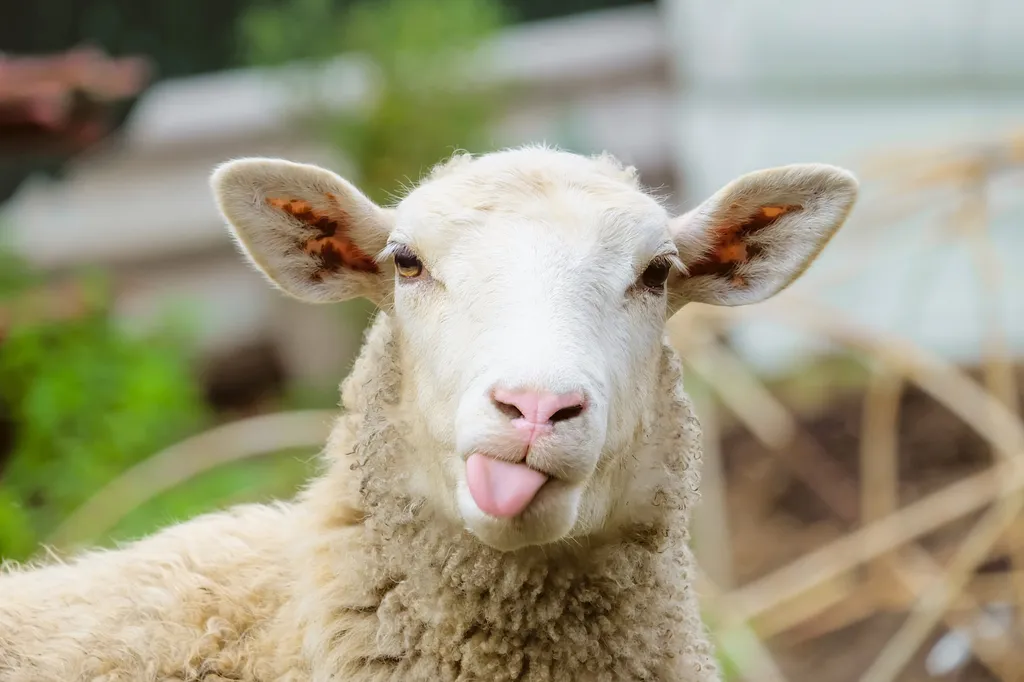
In the rolling highlands of Ethiopia, a unique study is shedding light on the intricate dance between diet, gut microbes, and methane emissions in sheep, with potential implications for the global agriculture sector. Researchers, led by Wondimagegne Bekele from the Swedish University of Agricultural Sciences, have been investigating how different forage diets influence the rumen microbiota and methane production in local Menz breed sheep. The findings, published in *Frontiers in Microbiology*, offer a glimpse into the complex world of rumen fermentation and its impact on greenhouse gas emissions.
The study, conducted over a 90-day period, subjected sheep to four dietary treatments: a control diet, Acacia nilotica, Brewer’s Spent Grain (BSG), and Ziziphus spina-christi. The aim was to understand how these diets alter the rumen microbial community and their relationship with methane intensity. Rumen fluid samples were collected at the start, midpoint, and end of the trial, providing a snapshot of the microbial dynamics at play.
The results revealed a fascinating interplay between diet and microbial populations. “We found that the treatment feeds significantly altered the microbial profiles,” Bekele explained. Notably, diets aimed at reducing methane emissions decreased the abundance of Methanobrevibacter, a dominant archaeal genus responsible for methane production, while increasing the presence of Methanosphaera. This shift in microbial composition suggests that dietary interventions can indeed influence methane-producing microbes, offering a potential strategy for methane abatement in livestock.
The study also highlighted the diversity of bacterial and archaeal populations in the rumen. Bacteria made up the vast majority of the microbial community, with Rikenellaceae RC9 gut group, Prevotella, and Candidatus Saccharimonas being the most abundant genera. Archaea, on the other hand, were less diverse but equally influential, with Methanobrevibacter dominating the archaeal community.
One of the most intriguing findings was the relationship between methane intensity and the archaeal genus Methanomicrobium. Unlike other microbes, Methanomicrobium showed a strong association with methane intensity, suggesting it plays a crucial role in methane production. Additionally, the study found that methane intensity did not strongly correlate with any other bacteria or archaea, although Methanobrevibacter and Methanosphaera were negatively correlated.
The study also delved into the world of volatile fatty acids (VFAs), which are the end products of rumen fermentation. Different diets yielded varying concentrations of VFAs, with Acacia producing the highest acetate levels and BSG the highest propionate levels. The VFAs also showed strong correlations with each other, with acetate and butyrate positively correlated, and acetate and propionate negatively correlated.
So, what do these findings mean for the agriculture sector? The study underscores the potential of dietary interventions to influence rumen microbiota and methane production. By understanding the complex relationships between diet, microbes, and fermentation products, researchers can develop targeted strategies to reduce methane emissions from livestock. This is particularly important given the significant contribution of livestock to global greenhouse gas emissions.
Moreover, the study highlights the importance of considering the entire rumen microbial community when developing methane mitigation strategies. “It’s not just about targeting one or two key players,” Bekele noted. “The rumen is a complex ecosystem, and any intervention needs to consider the broader microbial community.”
As the world grapples with the challenges of climate change, studies like this offer a glimmer of hope. By harnessing the power of the rumen microbiota, we may be able to develop sustainable and effective strategies to reduce methane emissions from livestock, contributing to a more sustainable future for the agriculture sector and the planet as a whole. The research, led by Wondimagegne Bekele from the Department of Applied Animal Science and Welfare at the Swedish University of Agricultural Sciences, was published in *Frontiers in Microbiology*, providing a valuable contribution to the field of agritech and sustainable agriculture.