
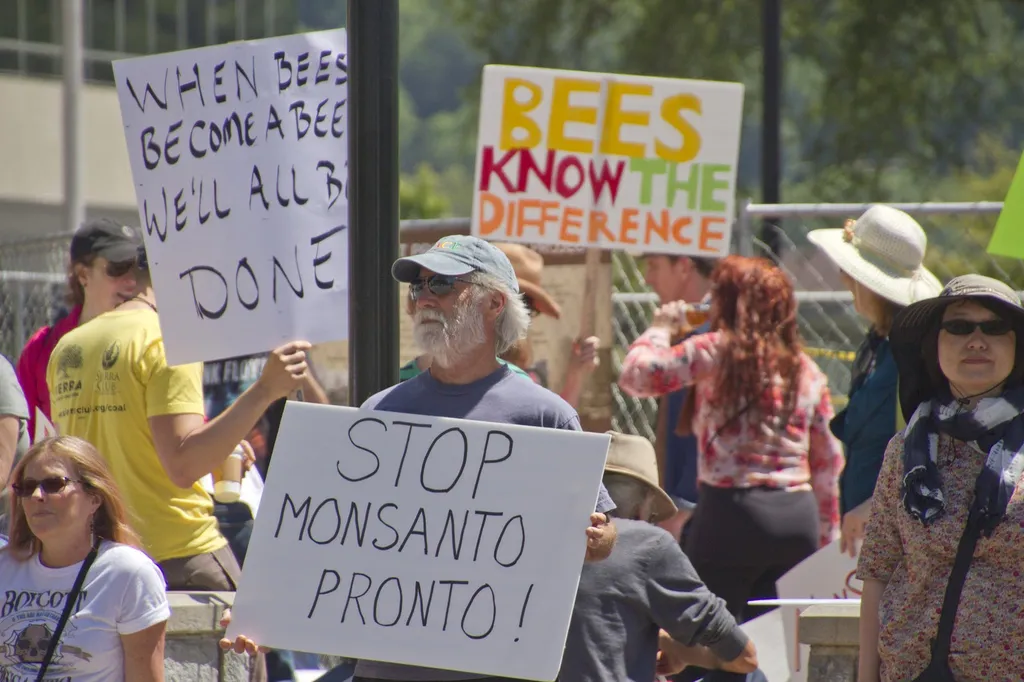
In the heart of the Balkans, where traditional farming practices meet the march of modern biotechnology, a new study sheds light on the complex relationship between consumers and genetically modified organisms (GMOs). Published in the journal ‘GM Crops & Food’, the research led by Ana Velimirović from the Biotechnical Faculty of the University of Montenegro, offers a nuanced look at public perceptions in a region where agricultural sustainability is increasingly important.
The study, based on an online survey of 1,178 respondents, reveals that a significant majority—76%—of Montenegrins view GMOs as harmful to human health. This skepticism extends to environmental and animal welfare concerns, with women and more educated respondents showing higher levels of risk awareness. “The findings highlight a clear gap between the potential benefits of GMOs and public perception,” Velimirović notes. “This gap is not just about knowledge; it’s about trust and the sources of information people rely on.”
The research identifies three distinct consumer groups: the Highly Concerned (34.9%), the Moderately Concerned (37.9%), and the Critical but Uncertain (27.2%). Each group varies in its awareness levels, preferred information sources, and consumption behaviors. The Highly Concerned group, for instance, tends to be more informed but also more skeptical, while the Critical but Uncertain group exhibits a willingness to engage with the topic but lacks clear direction.
These findings have significant implications for the agricultural sector, particularly in regions like Montenegro where sustainable farming practices are crucial. The study suggests that misinformation and low institutional trust are key factors shaping public attitudes. “Strengthening science-based communication and transparent labeling policies is essential for fostering informed decisions,” Velimirović emphasizes. This could pave the way for greater acceptance of biotechnology in agriculture, potentially boosting crop yields and resilience in the face of climate change.
The commercial impact of these findings cannot be overstated. For agribusinesses looking to introduce GMO-based products, understanding and addressing consumer concerns is paramount. Effective communication strategies, backed by transparent and accessible information, could help bridge the trust gap. Moreover, policymakers have a role to play in creating frameworks that support both innovation and public trust.
As the global conversation around GMOs continues to evolve, this study offers a timely reminder of the importance of engaging with public perceptions. By addressing misinformation and building trust, the agricultural sector can harness the full potential of biotechnology to create a more sustainable future. With insights like these, the path forward becomes clearer, not just for Montenegro but for regions worldwide grappling with similar challenges.