
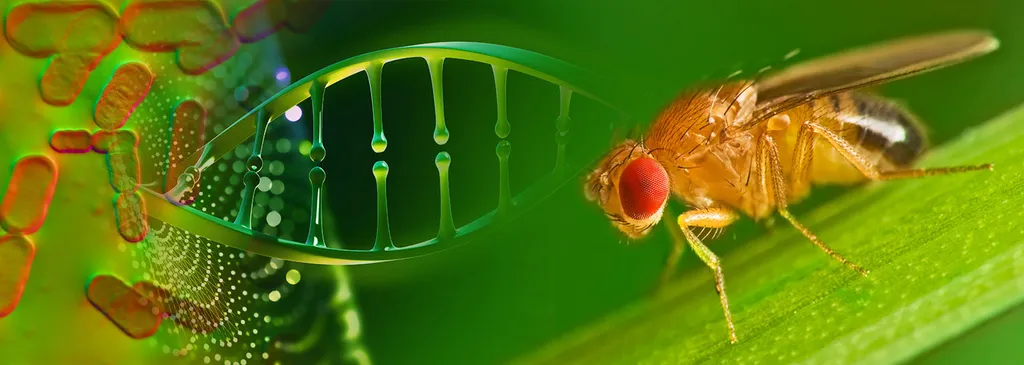
In the dense forests of Cameroon, a tiny fly harbors a secret that could unlock new avenues in agriculture and biotechnology. Researchers have identified a novel species of Pseudomonas bacteria, isolated from the gut of a tsetse fly, which exhibits unique genetic features that could have significant implications for the agriculture sector.
The study, led by Youssouf Mouliom Mfopit from the Institute of Agricultural Research for Development (IRAD), sequenced the complete genome of the novel Pseudomonas sp. isolate (CAM1A) using the Illumina Miseq platform. The draft genome, comprising 61 contigs, is at least 5,848,000 base pairs long, with a G+C content of 64.3%, and contains 5,339 coding sequences. “This bacterium is a treasure trove of genetic information,” Mfopit remarked, highlighting the potential of this discovery.
One of the most striking findings is the presence of several antimicrobial resistance and efflux-mediated resistance genes. This suggests that the bacterium has evolved mechanisms to evade many antimicrobial therapies, a trait that could be harnessed to develop more robust biocontrol agents. “Understanding these resistance mechanisms could help us design better strategies to combat plant pathogens,” Mfopit explained.
The genome also revealed seven different secondary metabolites distributed on 11 biosynthetic gene clusters. Secondary metabolites are often involved in communication, defense, and interaction with other organisms, making them valuable for biotechnological applications. “These metabolites could have potential applications in agriculture, such as enhancing crop resistance to pests and diseases,” Mfopit added.
The study also identified various virulence factors, but the isolate was predicted to be a non-human pathogen, which is crucial for its potential use in agriculture. “This bacterium’s non-pathogenic nature to humans makes it a safer candidate for agricultural applications,” Mfopit noted.
The taxonomic analysis based on whole-genome sequences indicated that CAM1A represents a putative novel species closely related to Pseudomonas soli. This finding underscores the importance of exploring microbial diversity in understudied environments like the tsetse fly gut.
The research, published in BMC Genomic Data, opens up new possibilities for developing innovative biocontrol agents and agricultural biotechnologies. As we delve deeper into the microbial world, we uncover a wealth of genetic information that could revolutionize the way we approach agriculture and biotechnology. This study is a testament to the potential that lies within the tiniest of organisms, waiting to be discovered and harnessed for the benefit of humanity.
The implications of this research are far-reaching. By understanding the genetic features of this novel Pseudomonas species, we can develop more effective and sustainable solutions to some of the most pressing challenges in agriculture. From enhancing crop resistance to pests and diseases to developing new biocontrol agents, the possibilities are endless. As we continue to explore the microbial world, we are likely to uncover even more secrets that could shape the future of agriculture and biotechnology.