
In a significant stride towards standardizing microbiome research, a collaborative study led by Ilario Ferrocino from the Department of Agricultural, Forest and Food Sciences at the University of Torino has demonstrated the robustness of validated Standard Operating Procedures (SOPs) across diverse ecosystems. The research, published in *Environmental Microbiome*, addresses a critical gap in the field: the lack of standardized protocols for microbiome sampling and DNA extraction, which has historically hindered the reproducibility and comparability of studies.
The SUS-MIRRI.IT project set out to develop and validate SOPs for microbiome analysis in a variety of ecosystems, including fermented foods, soils, and waters. To test these protocols, 15 Italian research units participated in an interlaboratory trial involving 120 samples. These samples encompassed liquid and solid fermented foods, waters, and soils. The study employed metataxonomic sequencing using 16S rRNA gene amplicon sequencing to assess the reproducibility of the protocols.
The results were promising. The procedures outlined in the SOPs showed high reproducibility across different sample types, with no significant differences in microbial diversity or composition between biological replicates or research units. DNA recovery was generally consistent, although minor variations were observed in solid samples. “The high reproducibility of our protocols across diverse sample types underscores their robustness and reliability,” noted Ferrocino. “This is a crucial step forward for the field, ensuring that future microbiome studies can be compared and combined with confidence.”
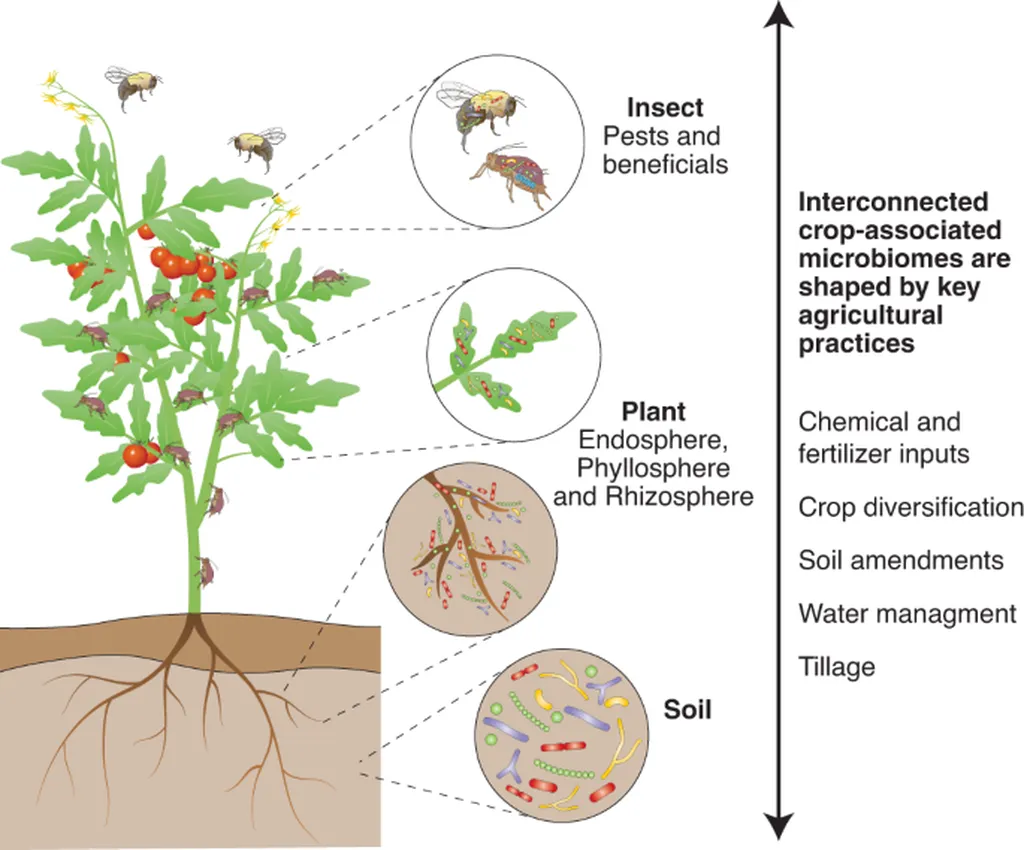
The implications for the agriculture sector are substantial. Standardized protocols enable more accurate and consistent analysis of microbial communities in food and environmental ecosystems. This consistency is vital for large-scale meta-analyses, which can provide insights into the role of microbiomes in food production, safety, and sustainability. For instance, understanding the microbial dynamics in fermented foods can lead to improved fermentation processes, enhancing product quality and consistency. Similarly, in soil and water ecosystems, standardized protocols can help monitor and manage microbial communities to support agricultural productivity and environmental health.
The adoption of these validated SOPs could also facilitate collaboration and data sharing among researchers and industries. As Ferrocino explained, “By adopting these standardized protocols, researchers and industries can ensure that their data are comparable, fostering collaboration and accelerating advancements in the field.” This could lead to the development of new agricultural practices, biofertilizers, and biopesticides, all of which rely on a deep understanding of microbial communities.
Looking ahead, the success of this study sets a precedent for future research. The validated SOPs developed by the SUS-MIRRI.IT project provide a foundation for future microbiome studies, ensuring that data are reliable and comparable. This standardization is expected to support large-scale meta-analyses, which can uncover broader patterns and insights into the role of microbiomes in food systems and environmental ecosystems.
In summary, the study published in *Environmental Microbiome* marks a significant milestone in microbiome research. By validating robust and reproducible protocols, the research paves the way for more accurate, consistent, and collaborative studies. For the agriculture sector, this means enhanced capabilities in monitoring and managing microbial communities, leading to improved food production, safety, and sustainability. As the field continues to evolve, the adoption of these standardized protocols will be instrumental in driving innovation and progress.