
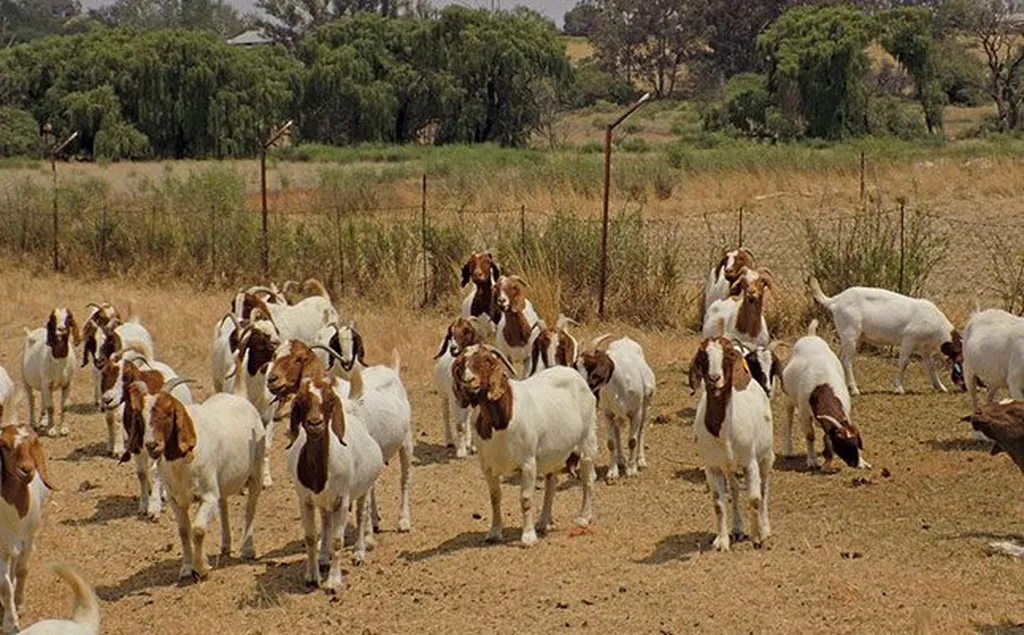
In the sprawling communal lands of South Africa’s Eastern Cape and KwaZulu-Natal provinces, a critical challenge faces goat farmers: the high rate of pre-weaning kid mortality. This issue, a significant hurdle to the commercial viability of goat farming in these regions, has been the subject of a recent study published in *Frontiers in Animal Science*. The research, led by Moeketsi Segakoeng of the Department of Animal Sciences at Tshwane University of Technology, sheds light on farmer perceptions and offers insights into potential interventions.
The study, conducted in collaboration with the Agricultural Research Council’s Biotechnology Platform and the Kaonafatso ya Dikgomo recording scheme, involved interviews with 195 goat farmers. The farmers, predominantly male and relying on pensions or livestock sales for income, identified diarrhea, heartwater, and starvation as the primary causes of pre-weaning kid mortality. These findings are crucial for understanding the on-the-ground realities of goat farming in these communities.
“Diarrhea, heartwater, and starvation were the strongest farmer-identified predictors of pre-weaning kid mortality,” Segakoeng noted. The incidence rate ratios for these causes were 1.93, 1.58, and 2.52, respectively, indicating a significant impact on kid survival rates. The extensive management systems and communal land use in these regions contribute to these challenges, highlighting the need for targeted interventions.
The research underscores the potential of community-based breeding programs (CBBPs) as a viable solution. By integrating farmer training, resource sharing, and access to expert technical guidance, CBBPs can address both primary and secondary causes of pre-weaning mortality. This approach not only improves productivity but also conserves important South African goat genetic resources.
The commercial implications of this research are substantial. Improved kid survival rates can enhance the market competitiveness of goat farming in these regions, providing a more stable income source for farmers. As Segakoeng explains, “Intervention programs such as CBBPs can address both primary and secondary causes of pre-weaning goat kid mortality, thereby improving productivity under the current and future production systems.”
The study’s findings offer a roadmap for future developments in goat farming. By focusing on community-based interventions, farmers can enhance their productivity and economic stability. This research not only highlights the immediate challenges faced by goat farmers but also points to sustainable solutions that can shape the future of the agriculture sector in these regions.