
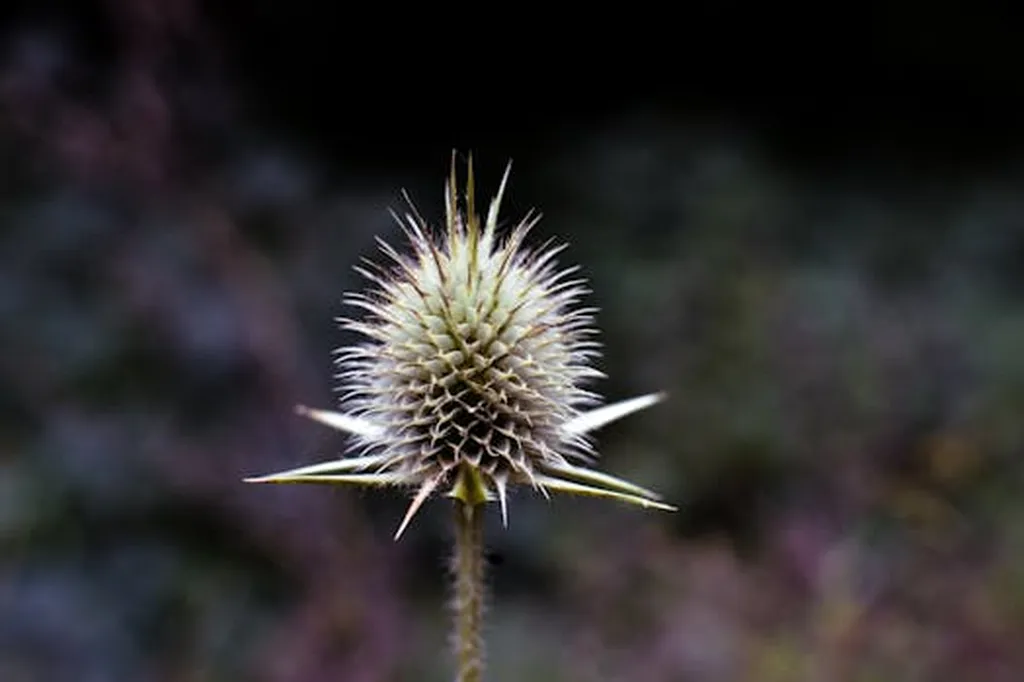
In a groundbreaking study published in the journal *Plants*, researchers have explored the potential of invasive plant species as a viable feedstock for producing wood-based pressed biofuels. The research, led by Gvidas Gramauskas from the Department of Agricultural Engineering and Safety at Vytautas Magnus University in Lithuania, investigates the use of Sosnowsky’s hogweed, giant knotweed, and reed as additives to pinewood in pellet production. The findings could have significant implications for the agriculture sector, offering a dual solution for invasive species management and renewable energy generation.
The study involved harvesting, drying, chopping, milling, and pelletizing biomass from the three herbaceous species and pinewood. Pure pellets and binary mixtures of each herbaceous biomass with pinewood were created, with herbaceous shares ranging from 25% to 75% by weight. The resulting pellets were then analyzed for physical and mechanical properties, elemental composition, calorific value, combustion emissions, and life cycle impacts.
One of the key findings was that the density of the pellets ranged from 1145.60 to 1227.47 kg m−3, which is comparable to or higher than pinewood. This indicates that the invasive plant biomass can produce pellets that meet solid biofuel quality requirements. “The compressive resistance of the pellets was particularly promising,” noted Gramauskas. “This suggests that the pellets are robust enough for commercial use, which is a crucial factor for their viability in the market.”
However, the study also revealed some challenges. The lower calorific values of the herbaceous and mixed pellets varied between 16.29 and 17.78 MJ kg−1, and the ash and nitrogen contents increased with higher herbaceous shares. Combustion tests showed that pure invasive and reed pellets emitted substantially higher levels of CO and NOx compared to pinewood, although all values remained within national regulatory limits.
Life cycle assessment indicated that reed systems had the highest global warming and fossil fuel depletion potentials, followed by Sosnowsky’s hogweed and giant knotweed. Pinewood consistently exhibited the lowest impacts, highlighting the need for careful consideration of the environmental trade-offs involved in using invasive species for biofuel production.
Despite these challenges, the research suggests that invasive plants and reed are technically suitable as partial substitutes for pinewood in pellet production. This could support simultaneous invasive biomass management and renewable heat generation, offering a sustainable solution for both environmental and energy sectors.
The commercial implications for the agriculture sector are significant. Farmers and landowners grappling with invasive species could potentially turn these nuisances into a valuable resource. “This research opens up new avenues for farmers to manage invasive species while also contributing to renewable energy production,” Gramauskas explained. “It’s a win-win situation that could have a positive impact on both the environment and the economy.”
As the world continues to seek sustainable energy solutions, the findings from this study could shape future developments in the biofuel industry. By leveraging invasive plant biomass, we can not only address environmental challenges but also create new economic opportunities for the agriculture sector. The research published in *Plants* by Gramauskas and his team is a step forward in this direction, offering a glimpse into the potential of invasive species as a viable feedstock for biofuel production.