
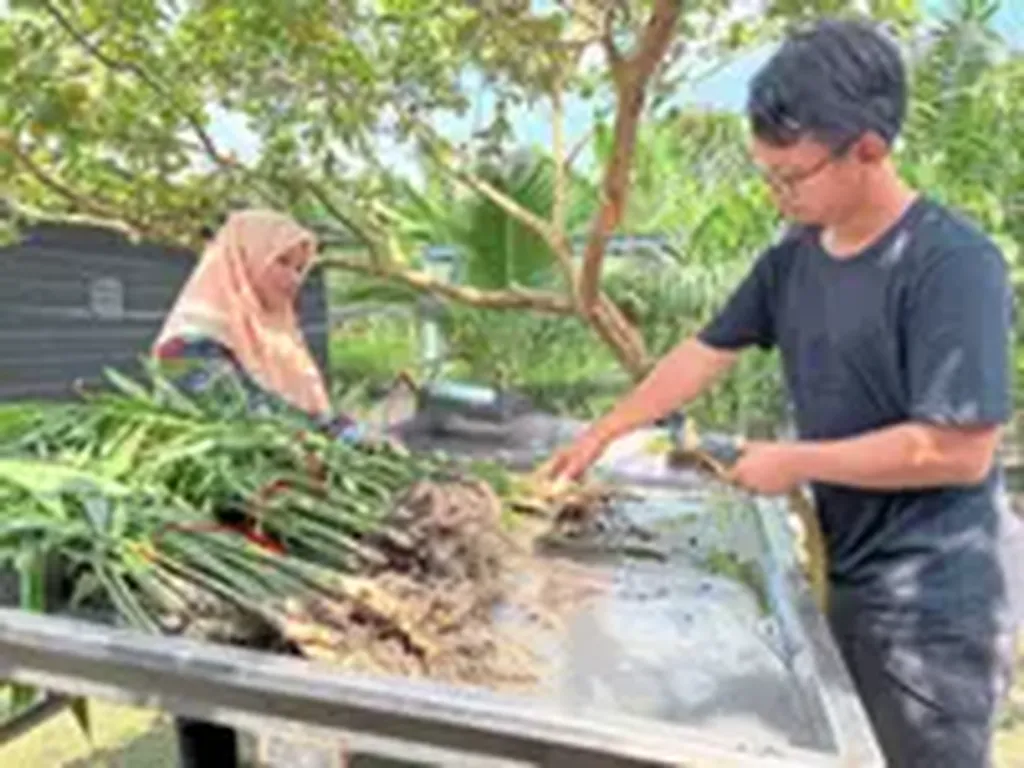
In the lush, tropical landscapes of Malaysia, ginger—a crop revered for its culinary and medicinal prowess—faces an invisible yet formidable foe: disease. Recent declines in ginger production, despite a robust market demand, have been largely attributed to a surge in diseases caused by bacteria, fungi, and viruses. This alarming trend is not just a threat to local farmers but also a significant blow to Malaysia’s agricultural sector, which relies heavily on ginger’s economic contributions.
The culprits behind this decline are diseases such as bacterial wilt, rhizome rot, leaf spot, and mosaic disease. These ailments, often exhibiting overlapping symptoms, have been wreaking havoc on ginger yields and quality. “The challenge lies in the fact that these diseases are not easily distinguishable by the naked eye,” explains Puteri Balqis Mohd Faiz, lead author of a recent study published in the Malaysian Journal of Sustainable Agriculture. “This makes early detection and subsequent control measures a daunting task for farmers.”
However, the tide may be turning thanks to advancements in technology. The study highlights the use of sophisticated diagnostic methods such as RT-PCR, ELISA, LAMP, and even machine learning algorithms. These tools have revolutionized disease detection, enabling rapid and accurate diagnoses. “With these technologies, we can now identify the specific pathogen causing the disease, allowing for targeted and effective control measures,” Faiz adds.
The study also delves into various control approaches, from the application of fungicides and bactericides to seed and soil management, and even physical and biological practices. These strategies are crucial in managing disease infections and preventing further spread.
The implications of this research are profound. For one, it underscores the importance of investing in agricultural technology. As diseases evolve, so must our methods of detection and control. The use of machine learning algorithms, for instance, could pave the way for predictive modeling, enabling farmers to anticipate and mitigate disease outbreaks before they cause significant damage.
Moreover, the study highlights the need for a holistic approach to disease management. It’s not just about eradicating the pathogen but also about understanding its interactions with the environment and the host plant. This could lead to the development of more sustainable and integrated pest management strategies.
In the broader context, this research could shape future developments in the field of agritech. The integration of advanced technologies in disease detection and control could set a precedent for other crops, not just ginger. It could also spur innovation in the development of more resilient crop varieties, capable of withstanding the onslaught of diseases.
As Malaysia grapples with the challenges posed by emerging diseases in ginger cultivation, this study offers a beacon of hope. It’s a testament to the power of science and technology in addressing agricultural challenges and ensuring food security. With continued research and investment, the future of ginger cultivation in Malaysia looks promising.
The research was published in the Malaysian Journal of Sustainable Agriculture and led by Puteri Balqis Mohd Faiz from the Faculty of Applied Sciences at Universiti Teknologi MARA (UiTM) Shah Alam.