
In the world of livestock health, early and accurate diagnosis of diseases is paramount to preventing economic losses and maintaining animal welfare. A recent study published in *Veterinary Medicine International* offers a promising advancement in the detection of paratuberculosis (PTB), a disease that has long plagued ruminant animals. The research, led by R. D. Moyano of the Agricultural Biotechnology and Molecular Biology Institute (IABIMO), introduces a polyprotein-based ELISA that could revolutionize how farmers and veterinarians approach PTB diagnosis.
Paratuberculosis, caused by Mycobacterium avium subspecies paratuberculosis (Map), is notorious for its late-stage diagnosis, often detected only after clinical symptoms appear. This delay can lead to significant spread within herds, resulting in substantial financial losses for farmers. Current diagnostic methods, such as ELISA, often fall short due to cross-reactivity with other mycobacteria, complicating accurate detection.
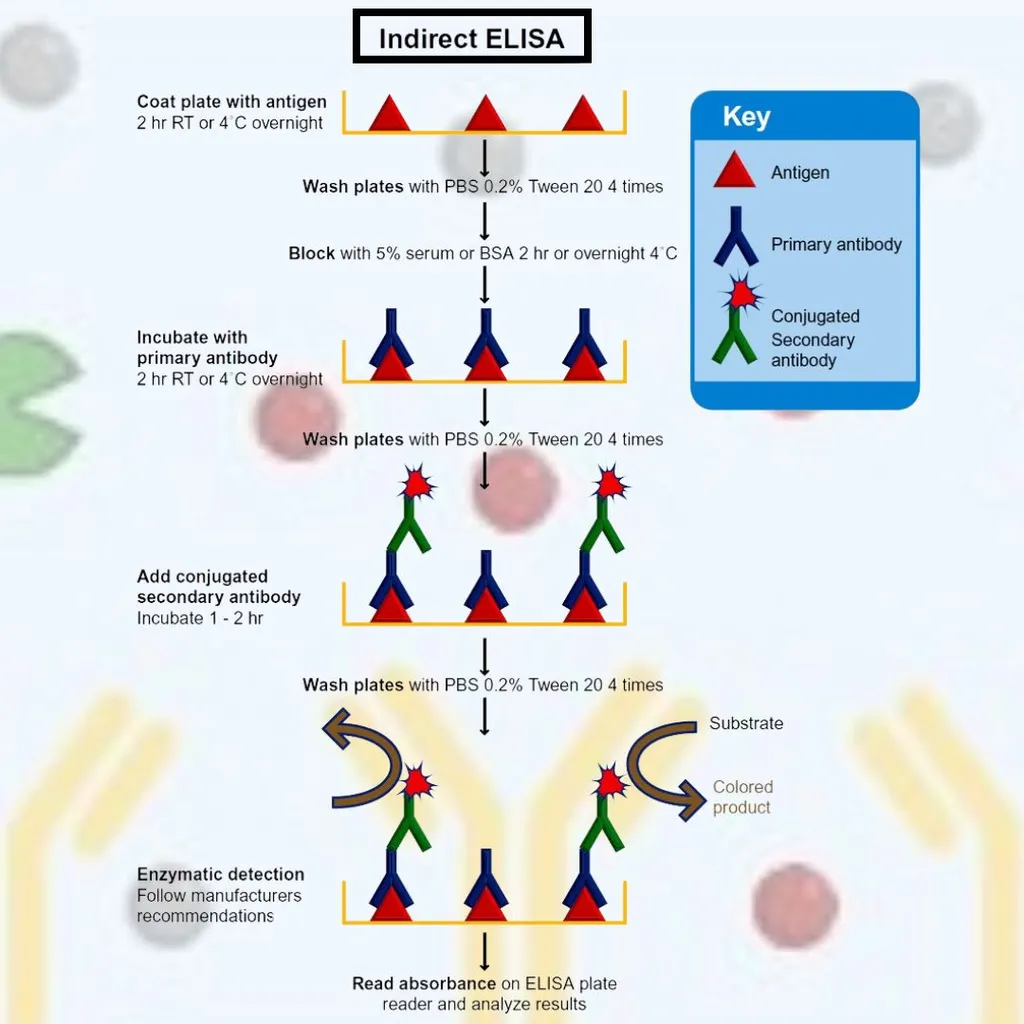
The study evaluated the specificity of a new ELISA method that uses a Map polyprotein to diagnose PTB in cattle. The researchers tested serum samples from healthy, Map-infected, and Mycobacterium bovis (MB)-infected cattle, as well as samples from healthy and MB-infected wild animals. The results were encouraging. “In most cases, the degree of cross-reactivity was negligible or low, particularly in cattle, swine, and goats,” noted Moyano. However, cross-reactivity ranged between 10% and 12.5% in sheep and cervids, respectively. These findings suggest that the polyprotein-based ELISA could be a valuable tool for the specific diagnosis of PTB in herds.
The implications for the agriculture sector are significant. Accurate and early diagnosis of PTB can lead to timely intervention, reducing the spread of the disease and minimizing economic losses. Farmers can implement targeted treatment and quarantine measures, protecting their herds and ensuring the sustainability of their operations. Additionally, the specificity of this new ELISA method could reduce the need for costly and time-consuming follow-up tests, streamlining the diagnostic process.
This research not only addresses a critical need in livestock health but also paves the way for future developments in diagnostic technologies. As Moyano and his team continue to refine the polyprotein-based ELISA, its potential applications could extend beyond cattle to other ruminant species, further enhancing its value in the agricultural industry.
The study represents a significant step forward in the fight against paratuberculosis, offering hope for more effective disease management and improved economic outcomes for farmers. As the agricultural sector continues to embrace technological advancements, innovations like this polyprotein-based ELISA will play a crucial role in shaping the future of livestock health and productivity.