
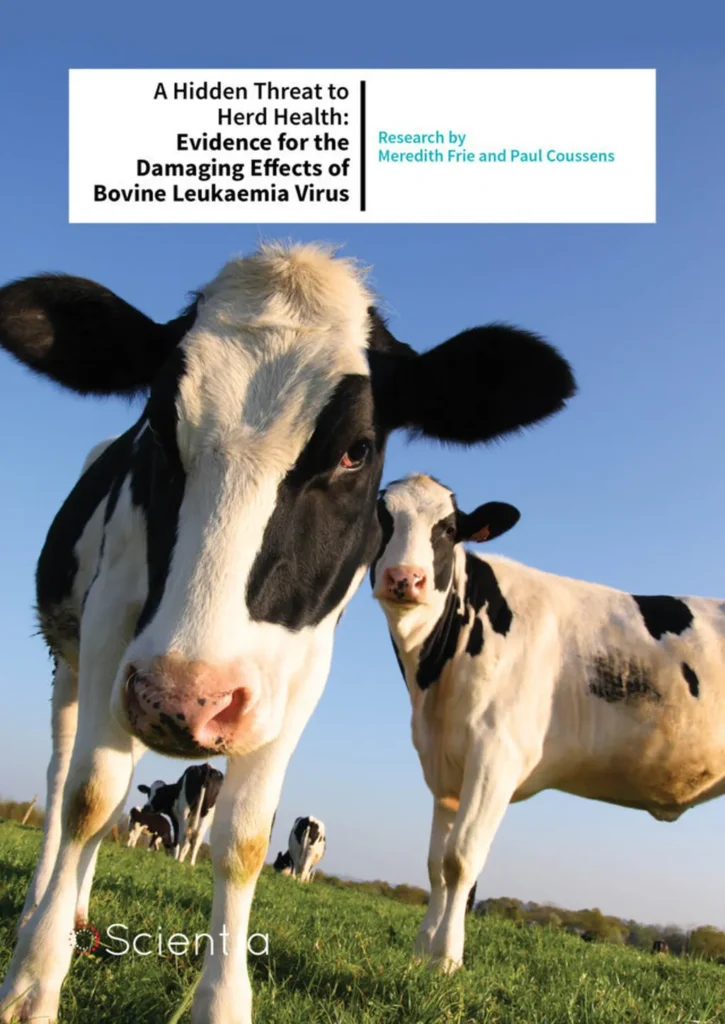
In the quiet corners of dairy farms worldwide, a stealthy retrovirus has been lurking, causing more than just economic headaches for cattle farmers. Bovine leukemia virus (BLV) has long been known to cause leukemia-like disorders in cattle and sheep, as well as inflammatory conditions and reduced milk production in dairy cows. But recent research is raising new concerns about its potential to cross species boundaries and impact human health.
A review published in *Frontiers in Cellular and Infection Microbiology* sheds light on the emerging evidence linking BLV to human breast cancer. Led by Changqing Yu of the Engineering Center of Agricultural Biosafety Assessment and Biotechnology at Yibin Vocational and Technical College in China, the research highlights the detection of BLV DNA in human breast tissue samples, particularly in tumor cells. This finding suggests that BLV may play a role in the development of breast cancer, adding a new layer of complexity to our understanding of zoonotic diseases.
The economic impact of BLV on the cattle industry is already substantial. Reduced milk production and the costs associated with managing infected herds have been a persistent challenge for farmers. But the potential public health implications of BLV transmission to humans could further complicate the situation. “The detection of BLV in human breast tissue is a significant finding that warrants further investigation,” says Yu. “It underscores the need for a deeper understanding of the mechanisms behind cross-species transmission and the potential health risks for both animals and humans.”
The research also highlights the importance of developing preventive vaccines to mitigate BLV transmission. Vaccines could not only protect cattle populations but also potentially reduce the risk of zoonotic transmission to humans. “Preventive measures, including vaccination, are crucial for controlling BLV infection in cattle and preventing its spread to humans,” Yu emphasizes. “This is a critical area for future research and development.”
The implications of this research extend beyond the agricultural sector. Public health officials and policymakers will need to consider the potential risks of BLV transmission and develop strategies to monitor and control its spread. Farmers, too, will need to stay informed about the latest research and adopt best practices to protect their herds and ensure the safety of their products.
As we continue to unravel the complexities of zoonotic diseases, the findings from this review serve as a reminder of the interconnectedness of human and animal health. The potential link between BLV and human breast cancer underscores the need for a One Health approach, which recognizes the interdependence of human, animal, and environmental health.
In the coming years, research into BLV and its potential impact on human health is likely to shape the development of new diagnostic tools, vaccines, and public health policies. The findings from this review provide a foundation for future studies, which will be crucial for understanding the full extent of BLV’s impact and developing effective strategies to mitigate its risks.
As the agricultural sector grapples with the economic and health challenges posed by BLV, collaboration between researchers, farmers, and public health officials will be essential. By working together, we can ensure the safety and well-being of both animals and humans, and pave the way for a healthier, more sustainable future.